
Last updated November 20, 2026
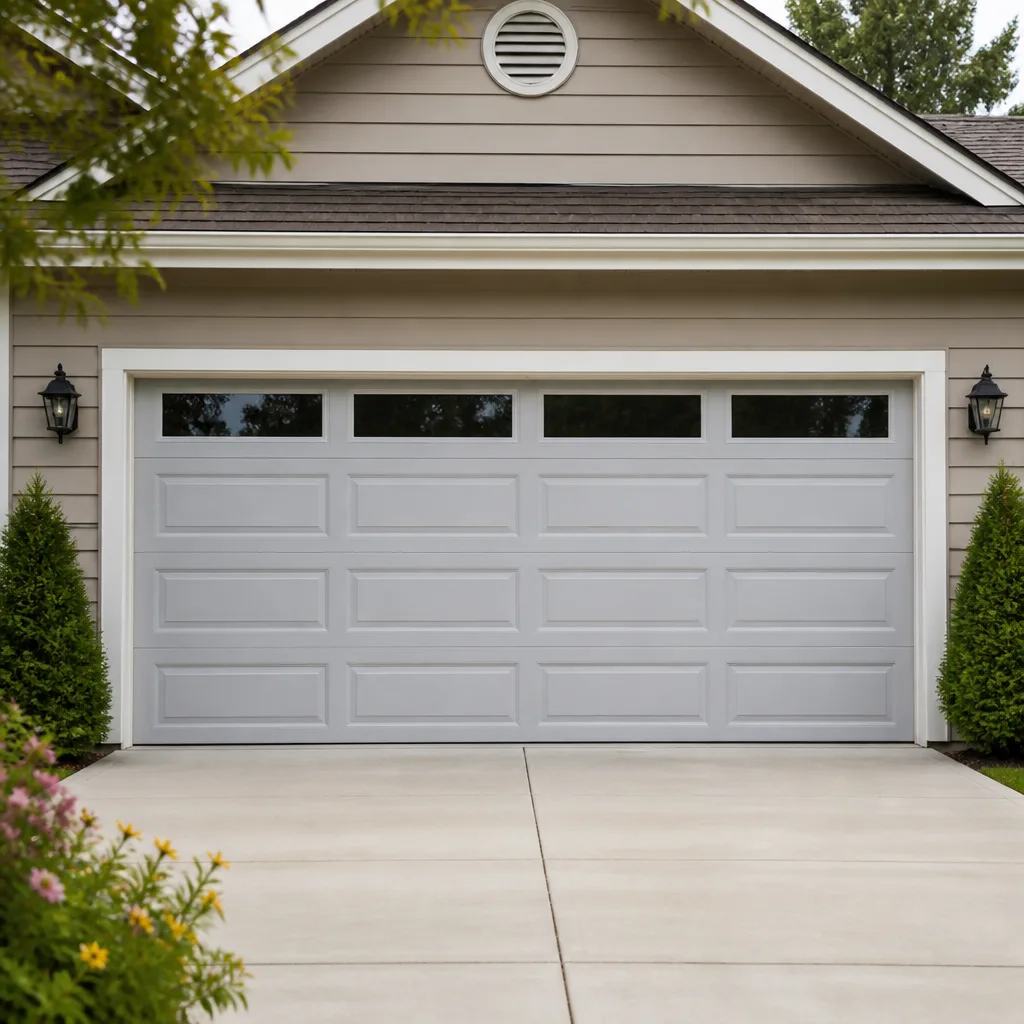 Raised-panel steel
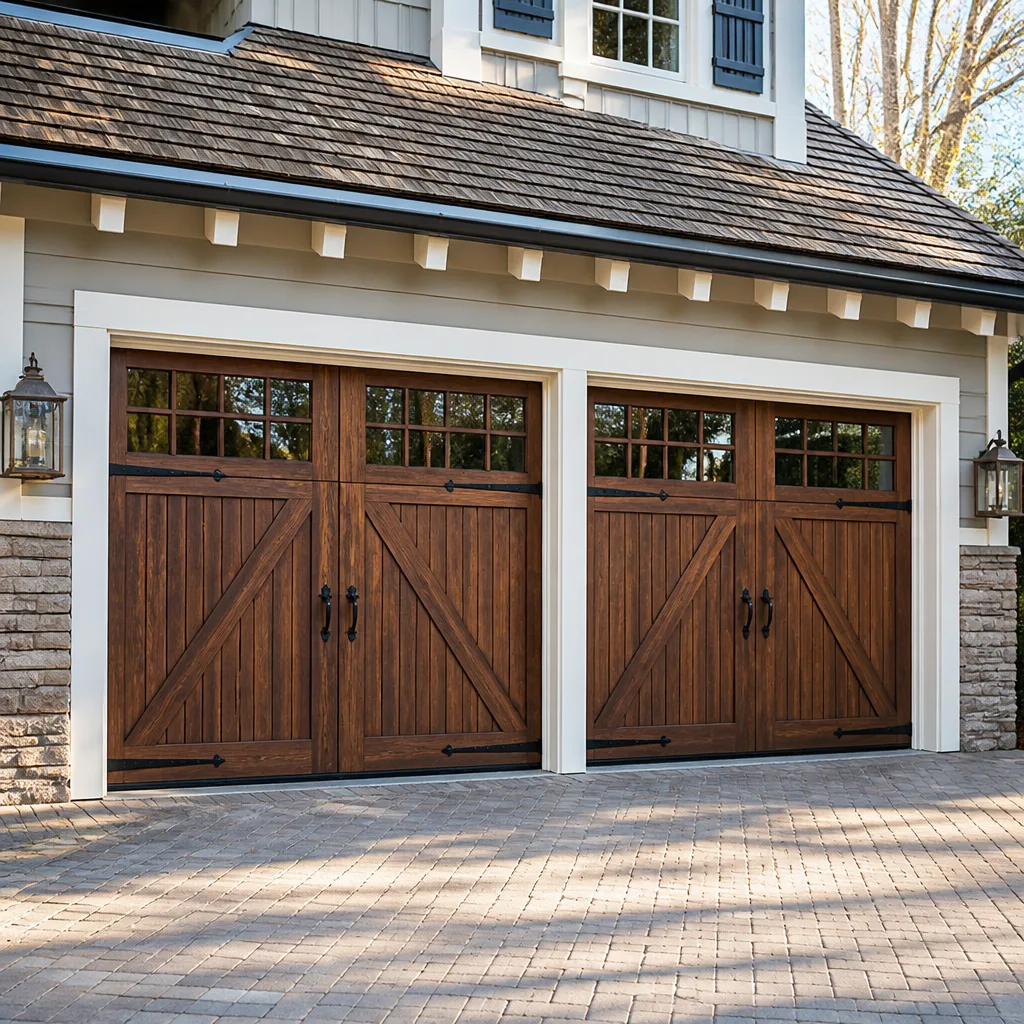 Carriage house
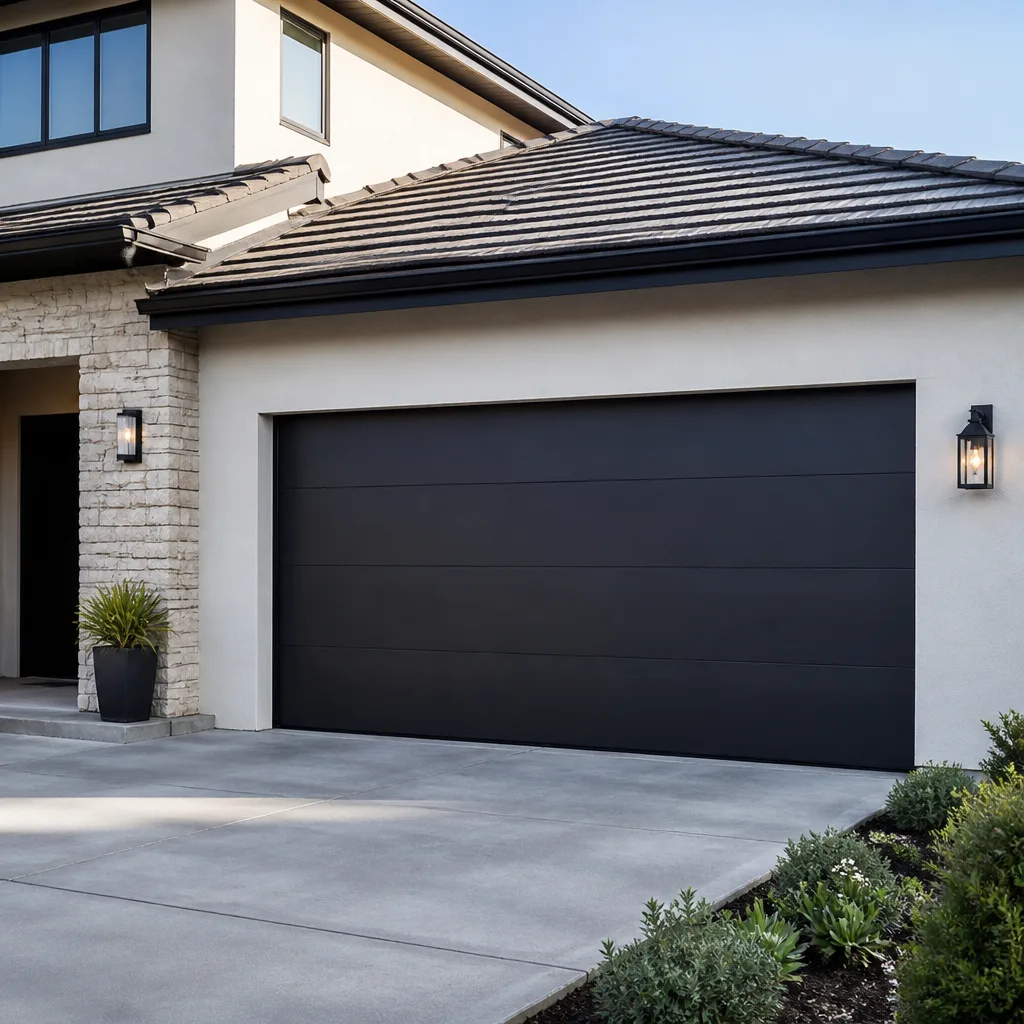 Modern flush
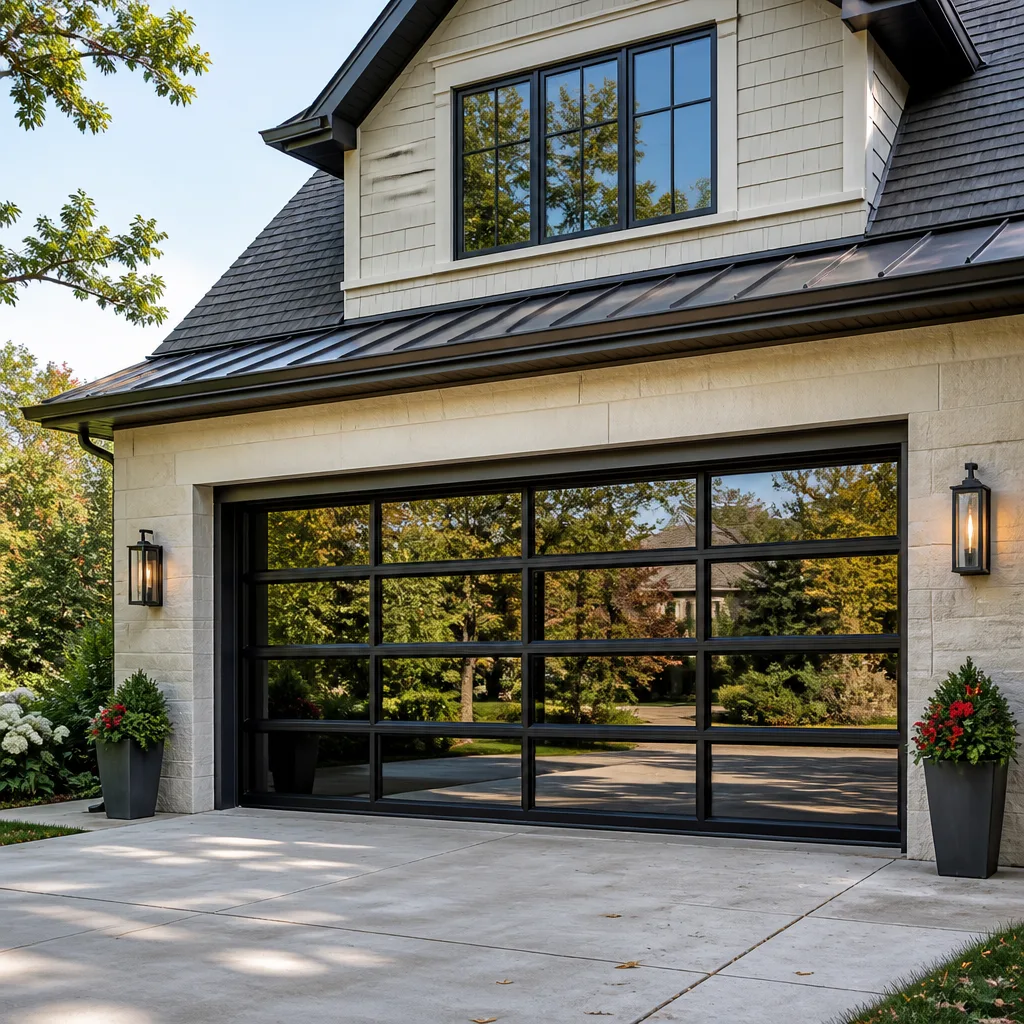 Full-view glass
 LiftMaster openers
 Chamberlain openers
Full 25-point door and opener safety check with every visit - springs, cables, rollers, tracks, and your LiftMaster or Chamberlain opener included
You get a price before we start. It does not change when the pro arrives.
Get your free estimateGarage Door Repair Maintenance Checklist for Oakley Homeowners
Most garage door advice tells you to “inspect the springs.” That’s like telling someone to check their brakes by looking at the car. A torsion spring rarely looks bad before it fails – it gives you roughly 10,000 cycles, and if your door runs four times a day, that’s about seven years of service before it’s statistically due to snap. The useful question isn’t whether the spring looks fine. It’s where your door sits on that clock, and what the early warning signs actually sound and feel like. This guide translates what our technicians watch for into checkpoints you can run yourself in Oakley, Ohio – one real checklist, built around the way doors actually fail here.
Quick Answer
A garage door maintenance checklist for Oakley homeowners should cover four things every season: the spring and cables (the parts that fail dangerously), the rollers and hinges (the parts that wear quietly), the opener’s balance and force (the part that masks mechanical problems), and the weatherstripping and seals (the parts that fail with Ohio’s freeze-thaw swings). Run a visual and listening check monthly, a hands-on lubrication and balance check twice a year – in October before the first hard freeze and in April after the ground thaws – and call a professional the moment you hear a sharp ping, see a frayed cable, or notice the door drifting off balance.
Key Takeaways
- Torsion springs last about 10,000 cycles. Count your daily cycles to estimate remaining life before failure, not after.
- Different sounds mean different components – a roller squeak, a cable grind and a spring ping are three separate problems.
- The five-second balance test tells you whether your opener is hiding a mechanical fault.
- Ohio’s freeze-thaw cycle makes October and April the two most important checkpoints on the calendar.
- Springs, cables and high-tension hardware are not homeowner repairs – a trained professional handles those.
Styles & brands we work with
- Raised-panel steel
- Carriage house
- Modern flush
- Full-view glass
- LiftMaster openers
- Chamberlain openers
Table of Contents
- The Cycle-Count Math: How Much Life Is Left in Your Springs?
- What Your Door’s Sounds Are Telling You
- The Five-Second Balance Test
- Which Lubricant Goes Where (and Where It Doesn’t)
- Your Monthly Walk-Around Checklist
- Seasonal Variations: October vs. April in Oakley
- Opener Checks Most Homeowners Skip
- When to Call a Professional
The Cycle-Count Math: How Much Life Is Left in Your Springs?
Every time your garage door opens and closes, that’s one cycle. Standard torsion springs are rated for about 10,000 cycles, which means the math is simple and unforgiving. Count how many times your door runs on a normal day, multiply by 365, and divide 10,000 by that number. The result is roughly how many years of service you have before the spring is due to fail.
A household that leaves in the morning, comes home in the evening, and maybe runs one errand in between uses the door about four times a day. That’s roughly 1,460 cycles a year, and about seven years of spring life. A busier household – kids coming and going, a home business, a door used as the main entry – might run eight to ten cycles a day. That cuts the same spring’s lifespan to three or four years.
Here’s the part most Oakley homeowners miss: a matched pair of springs is usually replaced together even if only one breaks. Springs on the same door wear at the same rate, so when one snaps, the other is nearly as tired. That’s why a pair costs about twice a single spring – it isn’t a sales tactic. It’s how the math works.
You don’t need to know the exact install date to use this. If your door is more than five years old and gets heavy daily use, you’re in the window where a spring failure becomes likely. That’s the time to have a professional check the springs during a routine service call, not to wait for the ping.
How to Estimate Your Spring Clock
- Count how many times the door opens and closes on a typical weekday, then add your weekend habits.
- Multiply your daily cycles by 365 to get annual cycles.
- Divide 10,000 by your annual cycles to get estimated years of remaining spring life.
- Subtract the number of years since the door or springs were last serviced.
- If the result is under two years, have the springs inspected before they fail on their own schedule.
If your door uses extension springs instead of torsion, the cycle math is similar but the failure mode differs. Extension springs stretch along the track and can whip when they break, which is why many come with a safety cable running through the center. If yours has no cable, that’s a specific reason to call for garage door spring repair before anything else on this list.
What Your Door’s Sounds Are Telling You
A healthy garage door makes a low, steady hum with a soft rattle of rollers in the track. Anything else is a signal from a specific component. The trick to maintenance is learning to separate the three sounds homeowners most often lump together as “the door is noisy.”
The Roller Squeak
A high, rhythmic squeak that repeats with the door’s travel usually comes from worn or dry rollers, or from hinges that have lost their lubrication. It tends to get louder over weeks, not days, and it often disappears briefly after rain before returning. Squeaks are the least urgent sound on this list, but ignoring one grinds the roller’s bearing down until it seizes and starts dragging on the track.
The Cable Grind
A metallic grinding or scraping sound, especially near the corners of the door or along the vertical track, usually points to a cable that’s rubbing, fraying or has jumped its drum. Cables carry the full weight of the door in tension and a failing cable is a genuine safety hazard. If you hear grinding, stop running the door and have it looked at.
The Spring Ping
A single sharp ping or snap from above the door – followed by the door becoming very heavy or refusing to open – is a torsion spring failing. It can happen while the door is at rest. There’s no gradual buildup you can catch by sound alone once the ping happens. This is why the cycle-count math matters: it tells you when to check before you hear the ping, not after.
The Rattle of Loose Hardware
A rattle that shows up as the door starts and stops usually comes from loose hinge bolts, track brackets or opener rail bolts. It’s a tightening job rather than a repair, but loose hardware accelerates wear on everything it touches, so it’s worth catching early.
One more sound to know: a rhythmic thumping or banging that gets worse over time can point to a bent track, a misaligned panel or a failing opener gear. That one needs a technician’s eye because the cause is rarely where the sound is. Our garage door repair service handles all of these, but it’s worth learning the difference so you know what you’re hearing before you call.
The Five-Second Balance Test
Your opener is strong enough to lift a door that’s badly out of balance. That’s the problem. When the springs are tired or a cable has slipped, the opener quietly takes on extra load – and it does so silently until the day it burns out its gear or strips its travel limits. The balance test reveals whether the opener is doing the springs’ job.
How to Run the Test
- With the door closed, pull the red emergency release handle to disconnect the opener. The door should now move freely by hand.
- Lift the door about halfway up and let go – don’t guide it.
- Watch what happens. A balanced door should stay roughly where you left it, drifting at most a few inches.
- If the door slams down or drops hard, the springs aren’t carrying the weight. That’s a mechanical problem, and the opener has been hiding it.
- Reconnect the opener by running it until the carriage reengages, or follow your opener’s manual – brands like LiftMaster and Chamberlain have a specific reengagement procedure.
A door that won’t hold its position is heavy for a reason: either the springs are losing tension or a cable isn’t doing its share. Don’t try to adjust the springs yourself to “correct” this. Torsion springs are under enormous stored tension, and a sudden release can cause serious injury. The balance test is a diagnostic – a way to know you need help – not a repair.
If the door passes the balance test but still feels heavy, check the track. A bent or misaligned track adds friction that mimics a balance problem. Run your hand along the inside of each track (door fully closed, opener disconnected) and feel for dents, kinks or a spot where the rollers are binding. If you find one, stop there – track straightening is a job for a professional.
We run this test on every service call as a matter of routine. It’s the fastest way we know to catch a mechanical fault while the fix is still small. A failing opener is often the first thing a homeowner notices, but the balance test usually reveals it wasn’t the opener at all.
Which Lubricant Goes Where (and Where It Doesn’t)
The wrong lubricant does more harm than none. Grease collects grit and turns into grinding paste. Oil drips onto the door panels and the floor. And plastic parts don’t want lubricant at all – most of them are designed to run dry, and adding oil can swell or soften them over time. Here’s how our technicians match products to parts.
- Rollers: White lithium grease is the standard choice for steel roller bearings. A light coat on the bearing, not the tire, quietens a squeak without attracting grit the way heavier grease does.
- Hinges and pivot points: White lithium or a silicone-based spray works on metal hinges. Work a small amount into the pivot, then wipe away the excess.
- Track: Do not lubricate the track. It’s meant to stay dry so the rollers can roll rather than slide. If your track feels sticky, clean it with a damp cloth instead.
- Weatherstripping and bottom seal: Silicone spray keeps rubber and vinyl seals pliable through the winter. Petroleum-based products can degrade the rubber, so keep them away.
- Plastic rollers and nylon parts: Nothing. They’re designed to run dry.
- Springs: A light coat of lubricant on a torsion spring is a common maintenance step, but if the spring is rusty or visibly worn, lubrication won’t fix the underlying problem. Have a professional look at it instead.
You’ll find white lithium grease and silicone spray at any hardware store in the Oakley area – they’re standard products, not specialty items. A single can of each will last years. Brand-specific parts are a different story: if your door uses Clopay or Amarr hardware, match replacement rollers and hinges to the door’s original hardware rather than substituting generics that may not fit the track profile.
The one big rule: never lubricate a component to stop a noise you haven’t identified. If the noise comes from a cable or spring, lubricant just masks it until something fails. Lubricate the parts designed to be lubricated, and diagnose the rest.
Your Monthly Walk-Around Checklist
A full maintenance walk-around takes about ten minutes once you know what to check. The order matters: start at the bottom, work up, and finish with the opener so you’re not running a faulting door repeatedly.
- Open and close the door once and listen. Any new sound – a ping, a grind, a rattle – is the first clue. Note where it comes from.
- Check the bottom seal. Look for cracks, splits or gaps where light shows through. A failing seal lets in cold air and moisture, which is an Ohio winter problem, not a cosmetic one.
- Inspect the cables at both corners. Look for frayed strands, rust or a cable that’s come off its drum. Don’t touch a cable under tension – just look.
- Look at the springs from a safe distance. A gap in a torsion spring is a sign it has broken. A visible kink or jump in the coil means wear.
- Check the rollers and hinges. Rollers should turn freely; hinges should be tight. Look for metal shavings or rust dust under the track, which means something is grinding.
- Look down the track from ground level. A straight track looks like a single line. Wobbles or dents mean the door is fighting its own path.
- Test the safety reverse. Place a small object under the door and close it – the door should reverse on contact. If it doesn’t, that’s a stop-and-call situation.
- Watch the door’s travel. It should sit level at the top and bottom. A door that hangs crooked has a cable or spring issue.
Write down anything that changed since last month. Patterns matter: a squeak that comes and goes points to one problem, a squeak that’s steadily gotten louder points to another. If you’re not sure what you’re looking at, a free estimate from a professional is a better use of an afternoon than a guess.
Seasonal Variations: October vs. April in Oakley
Oakley sits in a part of Ohio that swings hard between seasons, and that swing is what ages garage doors. The two checkpoints that matter most are the ones right before and right after the ground’s freeze-thaw cycle.
October: Before the First Hard Freeze
Everything that holds moisture is the enemy in October. Water that gets into a crack in a weather seal freezes and expands, then re-freezes, and each cycle widens the gap. Add these steps to your normal checklist:
- Inspect every seal and weatherstripping edge for small cracks. Replace or treat them now, before the freeze sets in.
- Apply silicone spray to the bottom seal and any rubber trim to keep it pliable through the cold.
- Lubricate rollers and hinges – cold weather makes dry metal noisier and stiffer.
- Check the door’s balance while it’s still warm enough to work with the door by hand.
- Test the safety reverse. Cold reduces the sensitivity of some opener force settings, so test it now and again after the first cold snap.
April: After Ground Thaw
The thaw is when movement reveals itself. Soil shifts, slabs settle, and the door’s frame can move with it – which is why spring and track problems often surface in April rather than in the coldest part of winter. Add these:
- Re-check the track for bends or misalignment. The door may not close as cleanly as it did in December.
- Look at the corners of the door frame for gaps where the structure may have shifted.
- Re-run the balance test. A door that was balanced in fall may not be after a season of ground movement.
- Clean the track. Salt, grit and debris accumulate over the winter and turn into grinding paste on the rollers.
- Check the bottom seal again for splits caused by winter freeze-thaw.
If your door uses Craftsman or Wayne Dalton hardware, keep an eye out for rust at the pivot points – cast hardware can show corrosion after a wet Ohio spring, and a single rusty hinge can throw off the door’s alignment. A quick wipe and a light lubricant coat fixes it early. A free estimate is a good way to catch anything you’re unsure about before the summer use season begins.
Opener Checks Most Homeowners Skip
Most opener problems aren’t opener problems – they’re symptoms of a door that’s out of balance or a track that’s binding. The opener just gets blamed because it’s the part that makes noise. But there are a few checks worth running on the opener itself.
- The force setting. Modern openers have adjustable force limits. If the door has gotten heavier over time and the force was increased to compensate, that’s a red flag – the door needs the balance test, not a force bump.
- The travel limits. The door should reach the floor and stop cleanly, and reverse at the top without straining. If the door bottoms out hard or stops short, the travel limits need adjusting.
- The safety reverse. Test it monthly. This is the single most important opener check for families with kids or pets.
- The photo-eye sensors. Both sensors at the door’s base should have clear, unobstructed lenses. Wipe them off and confirm the indicator light is steady, not blinking.
- The manual release. Every few months, pull the red handle with the door closed to confirm it works. It’s the one piece of hardware you’ll want to trust in a power outage.
- The battery backup. If your opener has one (many current LiftMaster and Chamberlain models do), check that the battery still holds a charge.
Smart-home integration is where openers have changed the most. If your opener is tied to an app or a voice assistant, a “smart” failure – the door won’t respond to the app but works fine from the wall button – usually points to a connectivity or logic board issue rather than the mechanical door. That’s a different kind of garage door opener repair and one that a generalist may not be equipped to diagnose. We work on all the major opener brands, so the right fix is a matter of familiarity with the platform.
If the opener is old enough that replacement is on the table, the checkup is a good time to plan it. Our garage door installation service covers openers and doors as a single job, so you don’t need a separate vendor for the door and another for the mechanism.
Common Mistakes to Avoid
- Ignoring a spring ping because the door still works. A door with one broken spring in a pair may still open with the other spring taking the load, but it’s operating far outside its design. Stop using the door and have it inspected.
- Greasing the track. Lubricant on the track turns it into a runway for grit, and the rollers start sliding instead of rolling. Keep the track dry and clean it with a damp cloth instead.
- Adjusting the opener force to compensate for a heavy door. The force setting isn’t a maintenance dial. If the door is getting heavier, the balance test will show you why – and a force bump only buys time before the opener fails.
- Overlooking the bottom seal in October. Ohio’s freeze-thaw cycle punishes small cracks. Seal failures in Oakley are usually noticed in January, after the damage is done.
- Substituting generic rollers on a Clopay or Amarr door. The track profile and roller size need to match the door. A mismatched roller wears both the roller and the track.
- Testing a safety reverse with a hand or a foot. Use a small object like a roll of paper towels. The reverse test is not a strength test.
- Skipping the manual release check. The one time you need it – a power outage, a stuck door – is the worst time to learn it doesn’t work.
See the difference
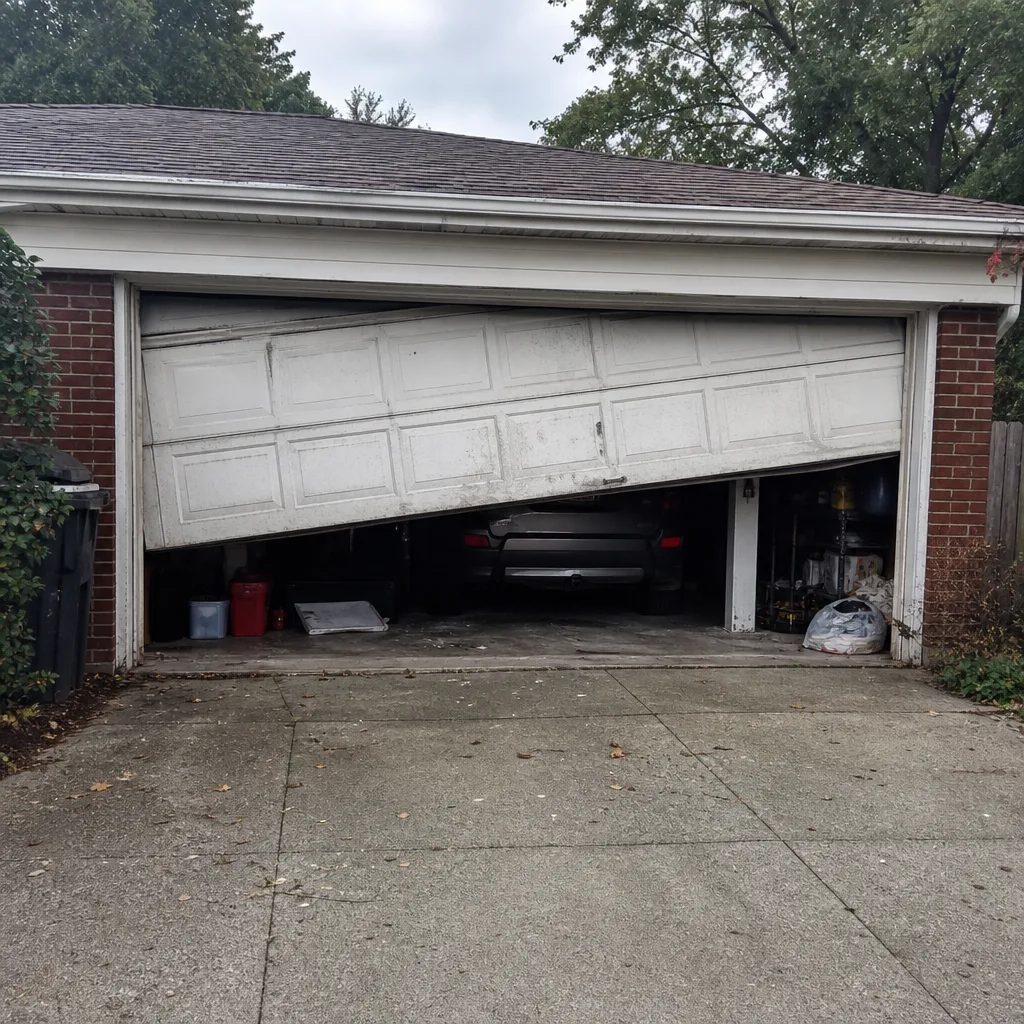 Before
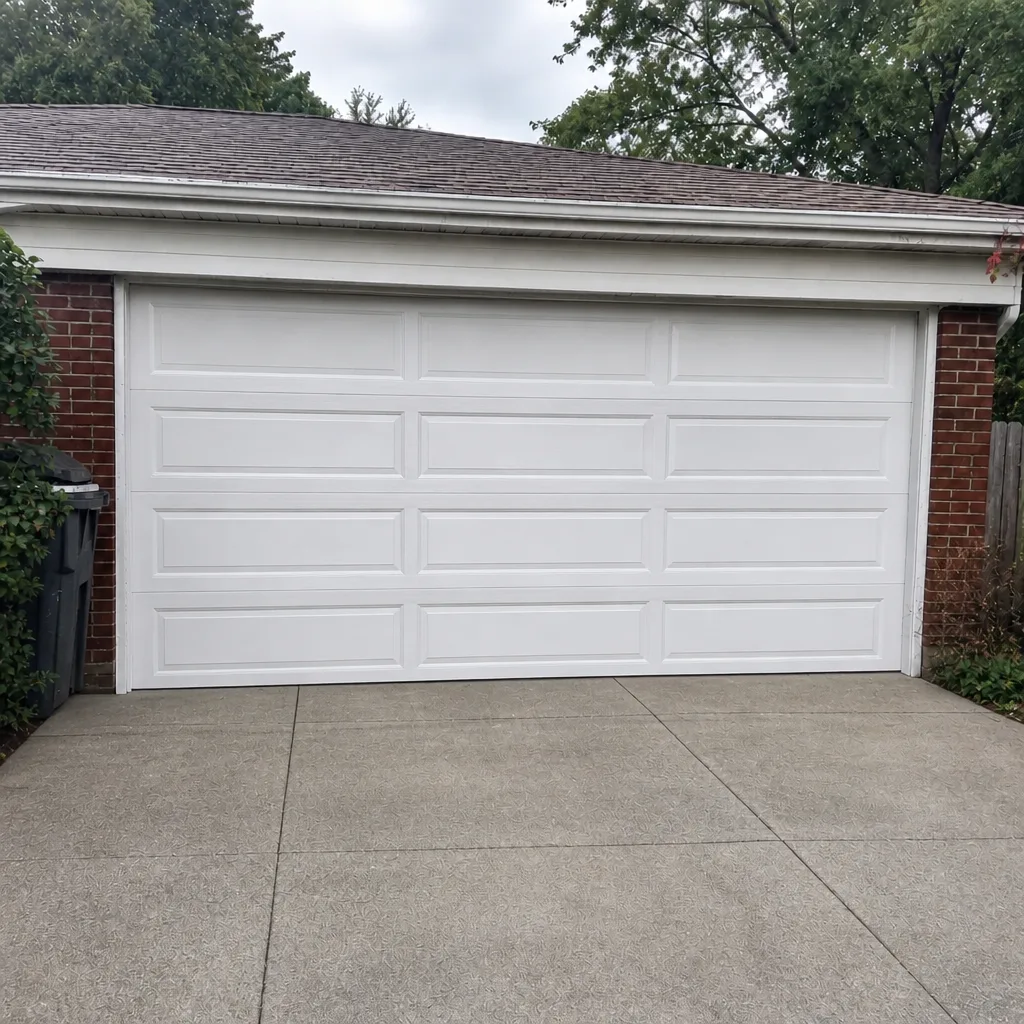 After
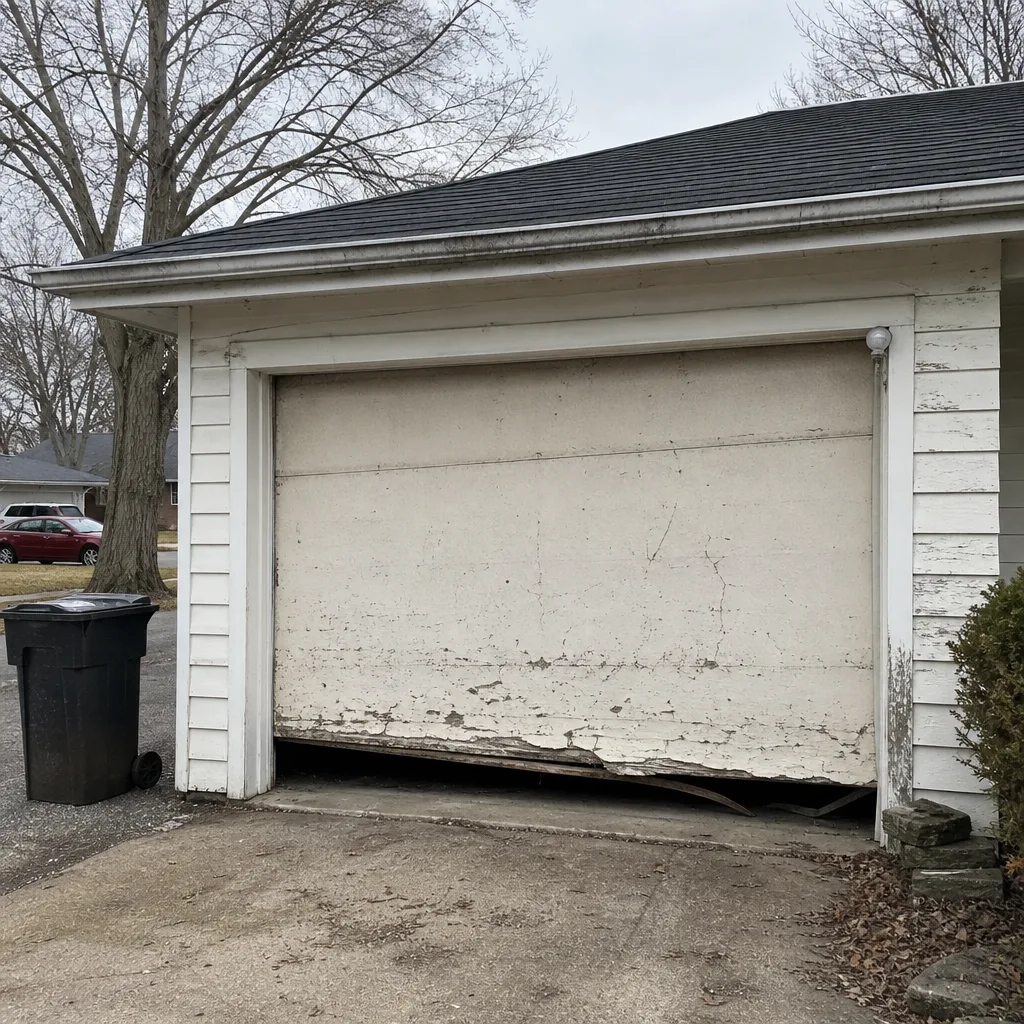 Before
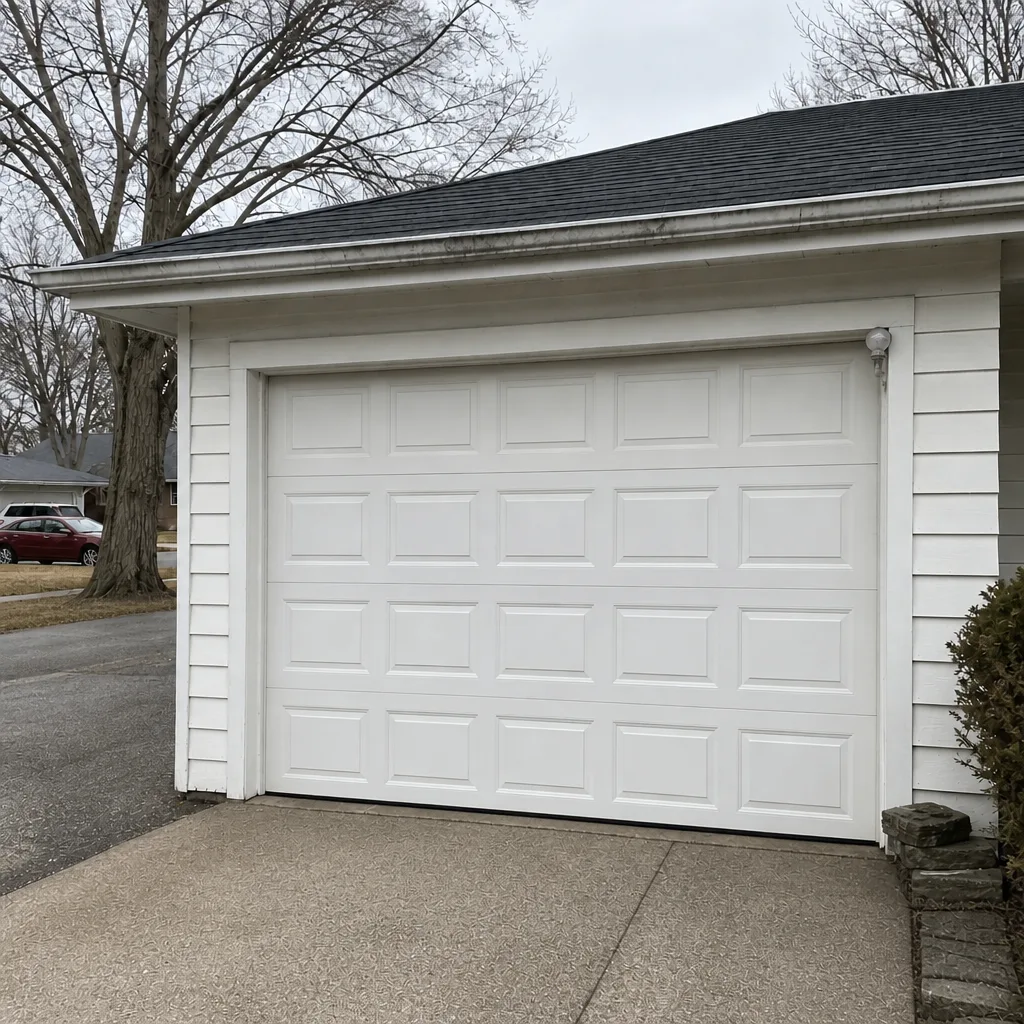 After
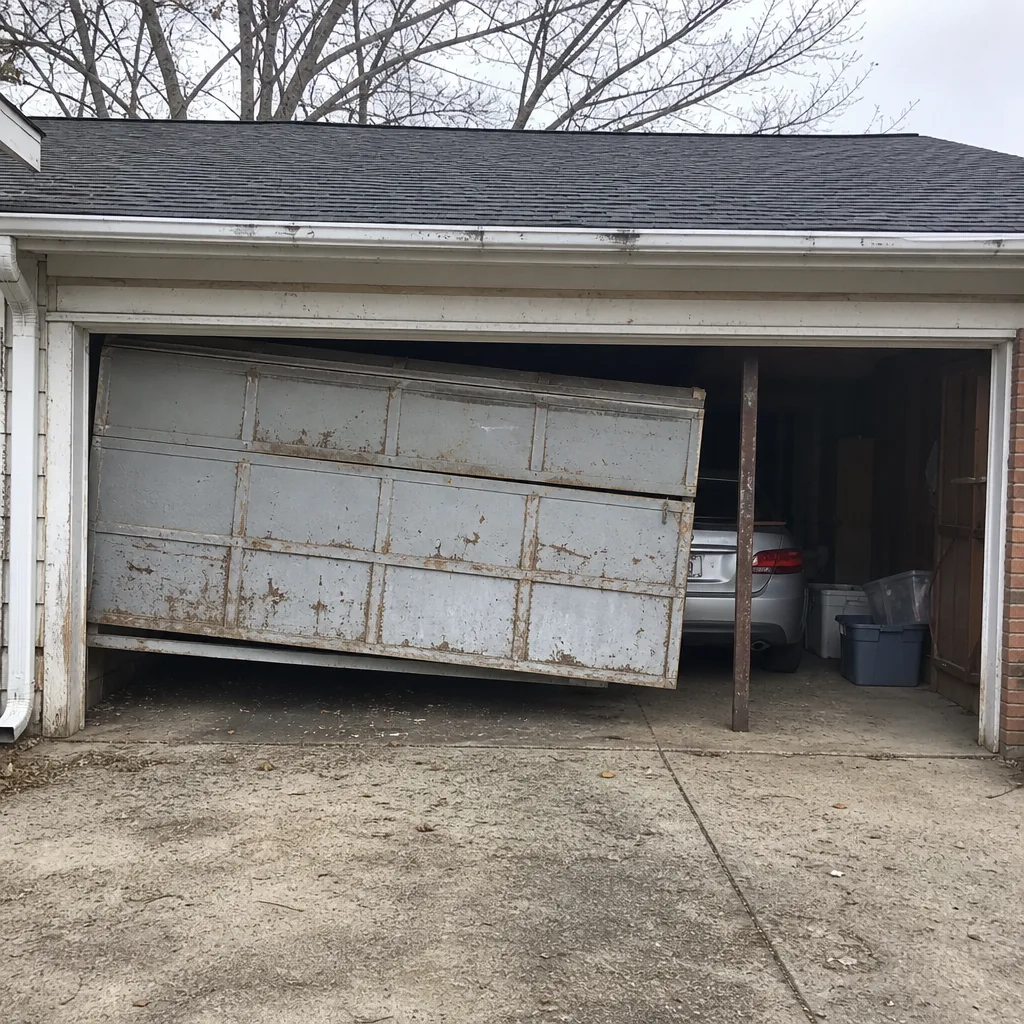 Before
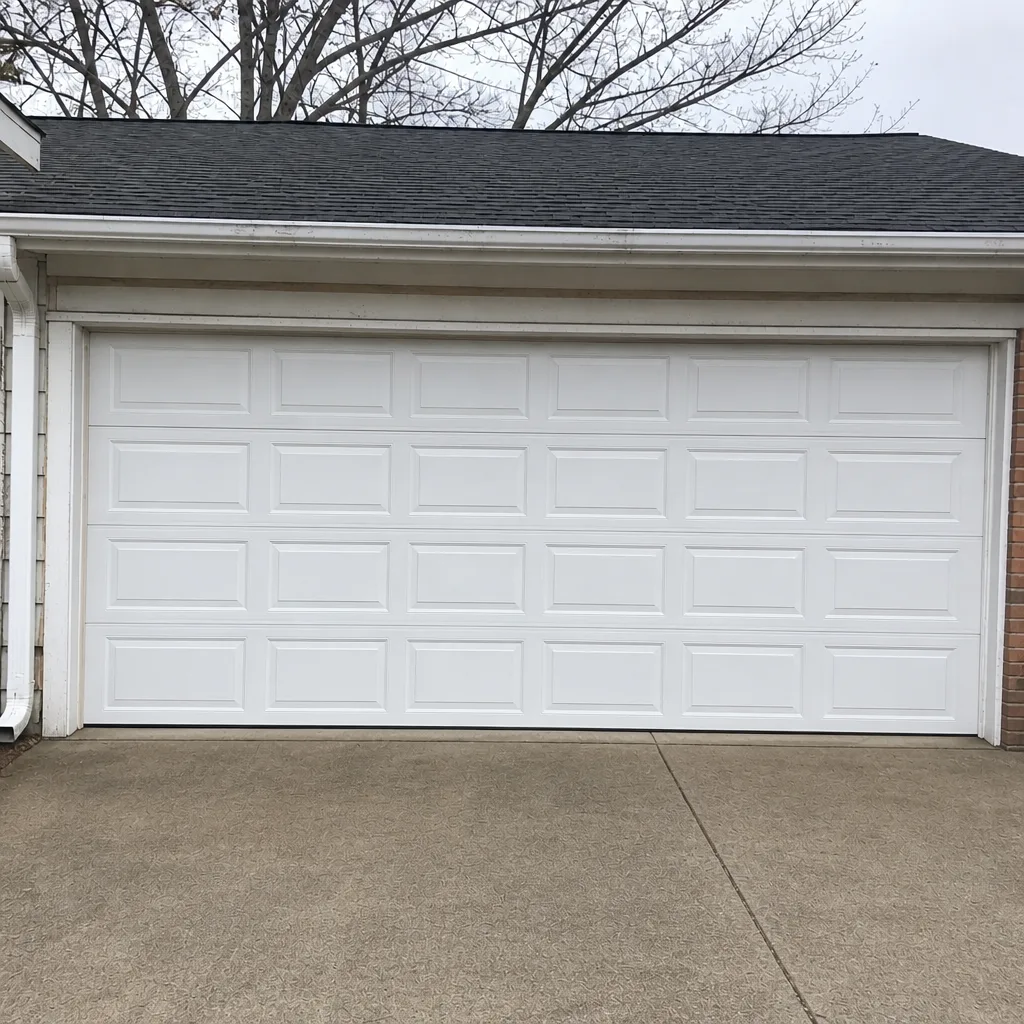 After
When to Call a Professional
Some of this checklist is designed for you. Some of it is designed to tell you when to stop and call. Call us when you hear a single sharp ping from the springs, when a cable is frayed or has jumped its drum, when the door slams down after the balance test, or when the safety reverse fails. Call us if the door is hanging crooked, if the track is bent, or if the opener is running but the door won’t move. Those are all situations where the fix involves high-tension springs, cables or electrical work – parts that need a trained professional, not a homeowner with a wrench.
Oakley Garage Door Repair Pros offers free estimates in Oakley, and our technicians have up to 8 years of experience across the eight major door and opener brands. We handle garage door repair, opener repair, spring replacement and full installations as a single service, so anything on this list that needs a pro can be handled in one call. Call (877) 492-3387. We answer 24/7. Fast dispatch from 7am to 7pm, Sunday through Friday.
Frequently Asked Questions
Twice a year is enough for most Oakley households, timed to October (before the first hard freeze) and April (after the ground thaws). Run the monthly walk-around in between, and call for service the moment you notice a new sound, a balance problem or a frayed cable. The seasonal timing is what matters most in this climate, because freeze-thaw is the biggest single source of wear on Ohio garage doors.
You can estimate it from the cycle math, not from how it looks. Standard torsion springs last about 10,000 cycles, so count your daily door uses and divide. A door that runs four times a day has about seven years of spring life out of a standard pair. If you’re approaching that window and the door feels heavy on the balance test, have a professional check the springs. Call (877) 492-3387 for an exact quote – estimates are free.
Yes, for the parts that are meant to be lubricated. White lithium grease on steel roller bearings and hinge pivots, silicone spray on weatherstripping and the bottom seal, and nothing on plastic parts or the track. Don’t lubricate springs or cables to stop a noise you haven’t identified – that just masks a problem. If you’re not sure what’s making the noise, call (877) 492-3387 and describe it. We can often tell you what to expect before we arrive.
A roller squeak is high, rhythmic and repeats with the door’s travel, and it builds over weeks. A spring failure is a single sharp ping or snap, usually followed by the door becoming very heavy or refusing to open. A cable grind is metallic, low and often located near a corner. Three different sounds, three different causes – learning the difference is the most useful skill on this checklist.
Winter doesn’t break doors, but freeze-thaw cycles age seals, stiffen metal and can shift the frame as the ground moves. That’s why October and April are the two checkpoints that matter most. Inspect and treat the weatherstripping in October, re-check the track and balance in April, and keep the rollers and hinges lubricated going into cold weather. If you spot a crack in the bottom seal in October, get it handled before the freeze sets in.
We service eight major door and opener brands, including LiftMaster, Chamberlain, Genie, Clopay, Amarr, Wayne Dalton, Craftsman and Raynor. That means when you call for service, our technicians arrive already familiar with your system rather than learning it on the spot. For brand-specific work, call (877) 492-3387. We answer 24/7. Fast dispatch from 7am to 7pm, Sunday through Friday, and the price is always quoted and agreed before any work starts.
Is It Worth Repairing a Garage Door or Should You Replace It?
Repair is usually the right call when the door’s structure and panels are sound. A broken spring, a failed opener, worn rollers or a frayed cable are all standard repairs on a door that has plenty of life left. Replacement makes more sense when the door itself has structural damage – cracked panels, a bent track that’s been straightened more than once, or a door that’s been re-serviced repeatedly across several different problems.
A useful test: if two or more major components have failed within a short span, the door is telling you it’s near the end of its service life. That’s a conversation about garage door installation, not another round of repairs. If it’s one clear failure on an otherwise sound door, repair is the answer. When you call for an estimate, ask what the door’s overall condition tells the technician – that’s information you can use either way. Call (877) 492-3387 for a free estimate.
The Bottom Line
The useful garage door checklist is the one that tells you what failure looks and sounds like before it happens. Count your cycles to know your spring’s remaining life. Learn the difference between a roller squeak, a cable grind and a spring ping. Run the five-second balance test to find out whether the opener is hiding a mechanical problem. Match your lubricants to your parts, keep the track dry, and time your big checks to October and April. That’s the full checklist, and most of it costs you ten minutes a month. The parts that need a professional are the parts that can hurt you – springs, cables, tracks and opener electronics. For those, call Oakley Garage Door Repair Pros at (877) 492-3387 for a free estimate. We work on your brand, from repair to full installation, and the price is quoted and agreed before any work starts. We answer 24/7. Fast dispatch from 7am to 7pm, Sunday through Friday. Written by the team at Oakley Garage Door Repair Pros.
Written by the team at Oakley Garage Door Repair Pros.