
Last updated November 20, 2026
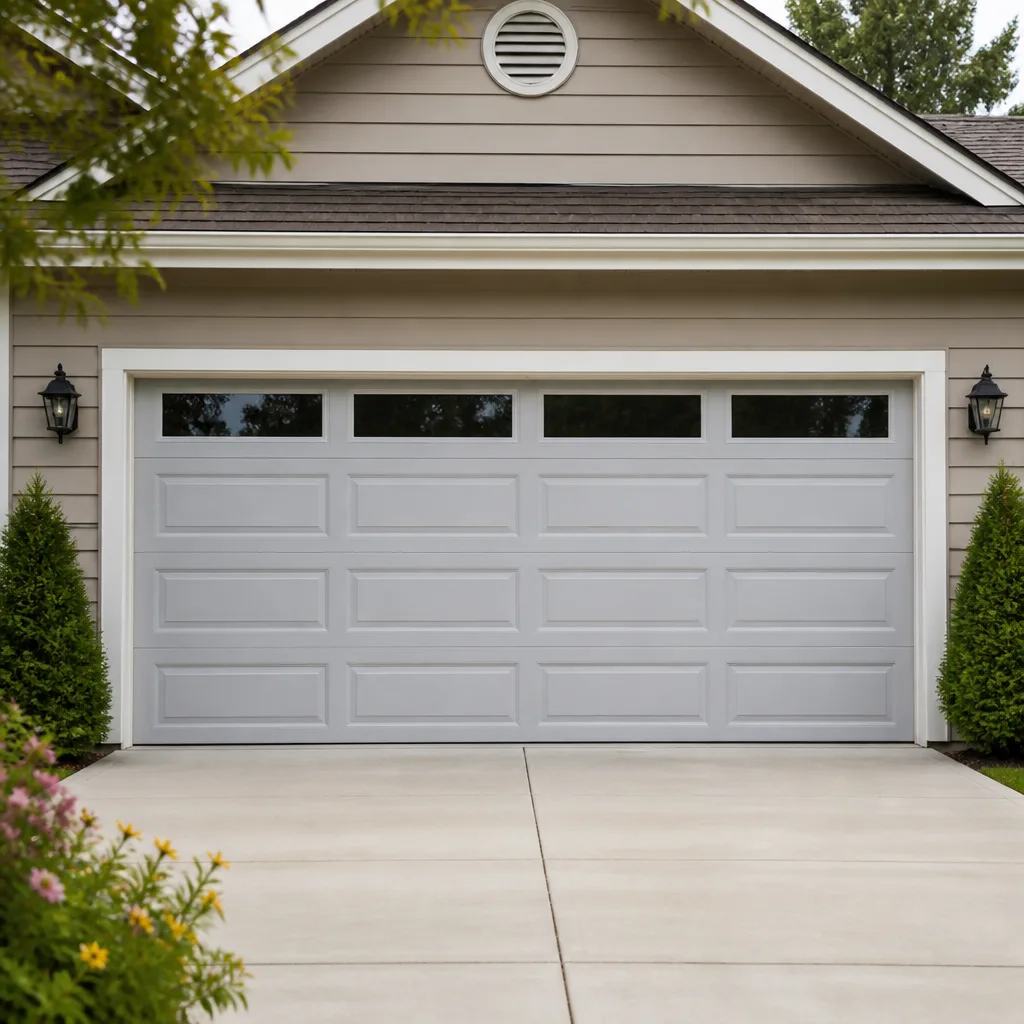 Raised-panel steel
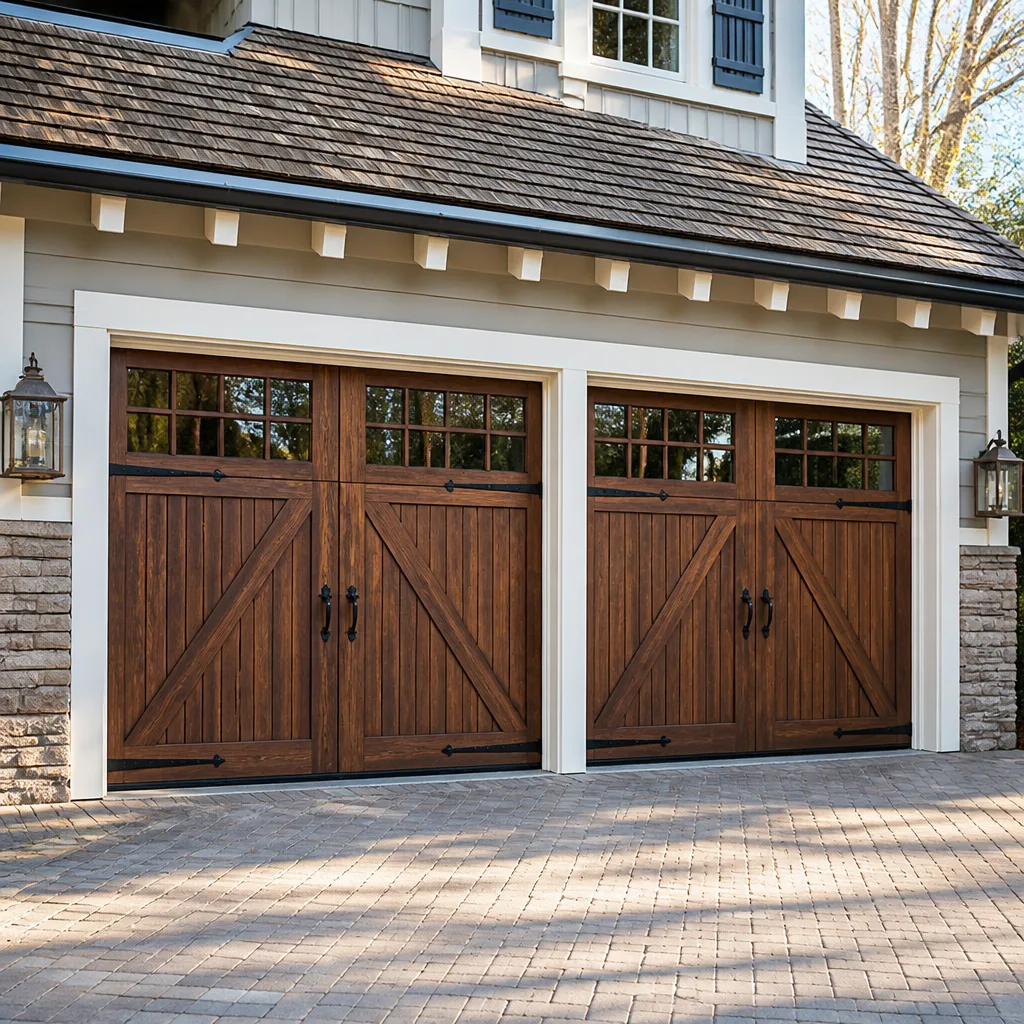 Carriage house
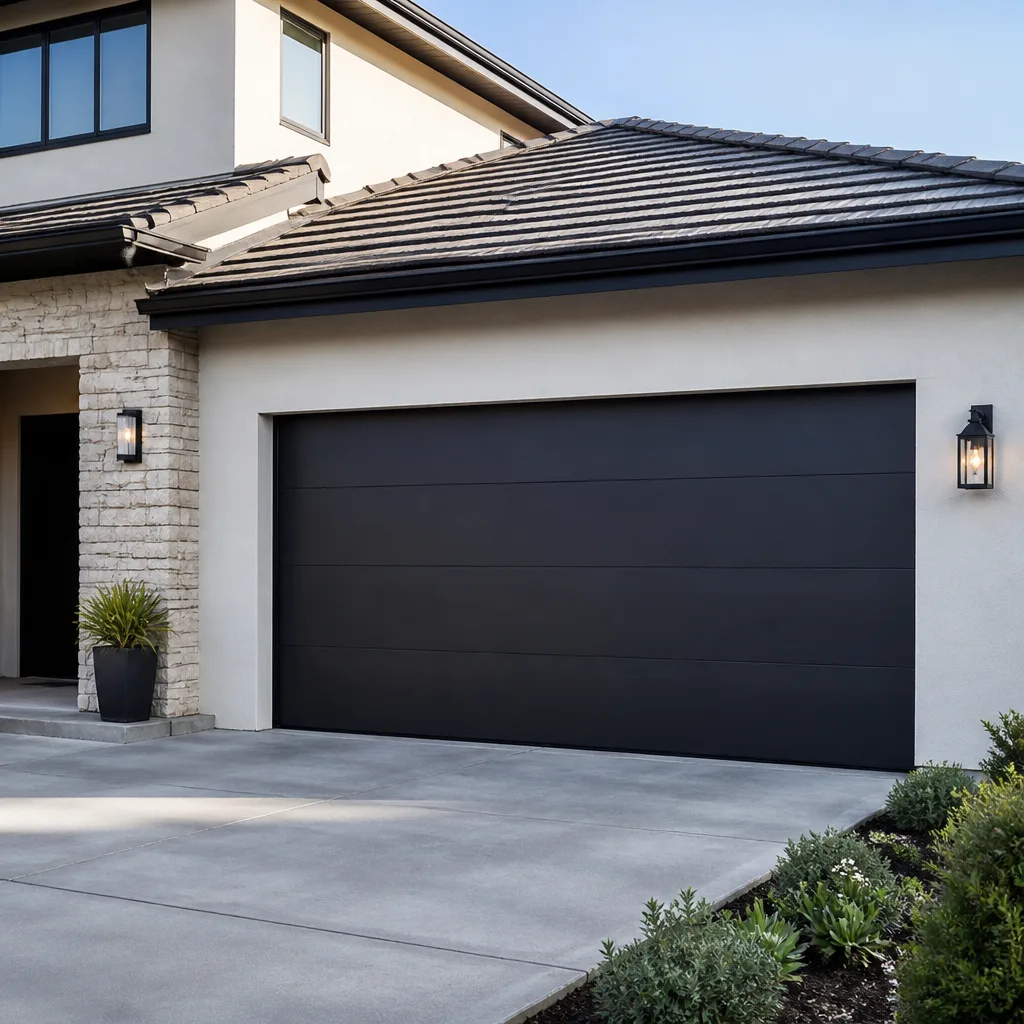 Modern flush
 Full-view glass
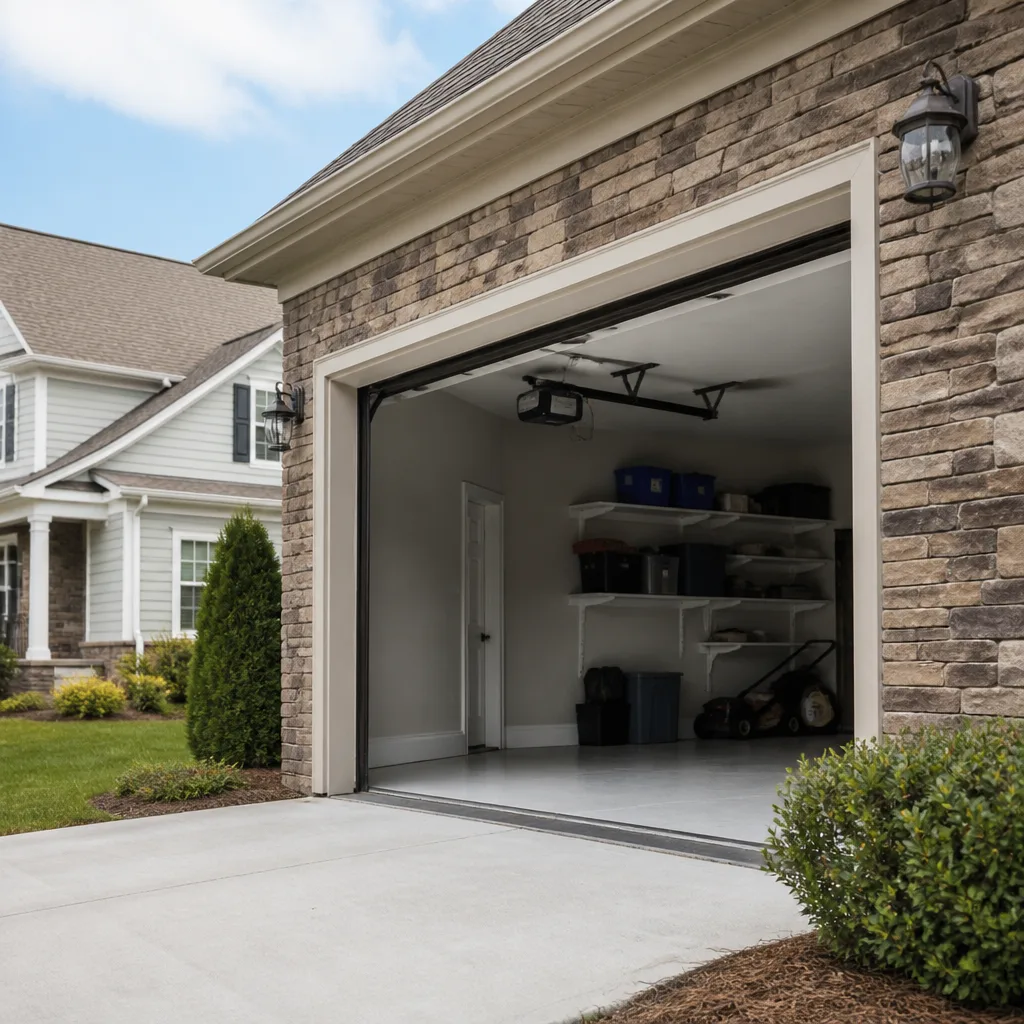 LiftMaster openers
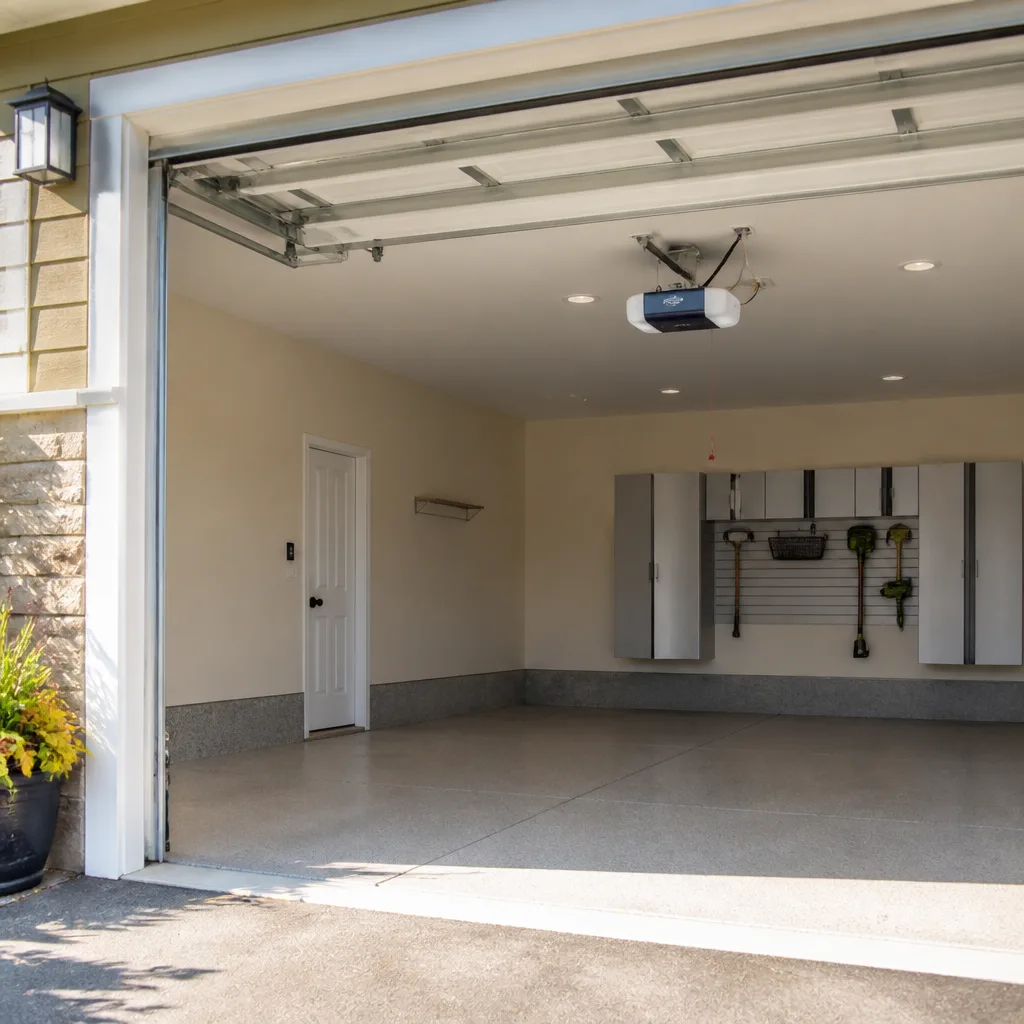 Chamberlain openers
Full 25-point door and opener safety check with every visit - springs, cables, rollers, tracks, and your LiftMaster or Chamberlain opener included
You get a price before we start. It does not change when the pro arrives.
Get your free estimateGarage Door Warning Signs: An Oakley Homeowner’s Reference Guide
A garage door that reverses before it touches the ground isn’t a quirk to work around. It’s the opener’s safety sensor doing exactly what it was built to do, and forcing the door to override that is how fingers and car hoods get crushed. That warning sign doesn’t go on the “keep an eye on it” list. It goes on the stop-now list.
Most warning-sign guides flatten everything into one pile: “watch for these.” But a slow-moving door and an asymmetrical door are two completely different problems, and they call for two completely different responses. Some signs mean stop using the door today. Some mean book service this week. Some mean jot it down for the next maintenance visit. This guide sorts every common garage door symptom in Oakley into those three tiers, so you know which is which before something fails at the worst possible moment.
Quick Answer
Garage door warning signs fall into three urgency tiers. Stop using the door immediately for a reversing door, a broken spring, a frayed or kinked cable, or a door that’s come off its track. Schedule service this week for grinding, squealing, a door that’s slow to respond, or a door that runs rough. Note it for your next maintenance visit for minor rattles, cosmetic wear, and a door that’s just a little noisier than it used to be. When in doubt, treat it as a stop-now sign and have it looked at.
Styles & brands we work with
- Raised-panel steel
- Carriage house
- Modern flush
- Full-view glass
- LiftMaster openers
- Chamberlain openers
Table of Contents
- The Three-Tier Urgency System
- Visual, Audio, and Performance Signs: Why the Category Matters
- The Cable About to Snap vs. the Cable That’s Merely Loose
- Manual Works, Opener Struggles: Which Side Is the Problem?
- What’s Normal for an Older Door vs. What Looks Normal but Isn’t
- Brand-Specific Wear: Wayne Dalton and Clopay Doors
- Seasonal Shifts, Ohio Weather, and the Signs That Follow Them
- Common Mistakes to Avoid
The Three-Tier Urgency System
Every garage door symptom belongs in one of three buckets. The mistake most homeowners make is putting everything in the middle bucket and waiting to see what happens. In Oakley, we’ve walked into too many situations where a “wait and see” turned into a door hanging off its track.
Tier 1: Stop using the door now. These are the signs where a failure is genuinely dangerous, not just inconvenient. In our experience, these are the ones that lead to injuries or property damage when ignored.
- The door reverses before it reaches the floor (safety sensor stopping it)
- A torsion spring is visibly broken (you’ll see a clean gap in the coil above the door)
- A cable is frayed, kinked, or hanging loose from its drum
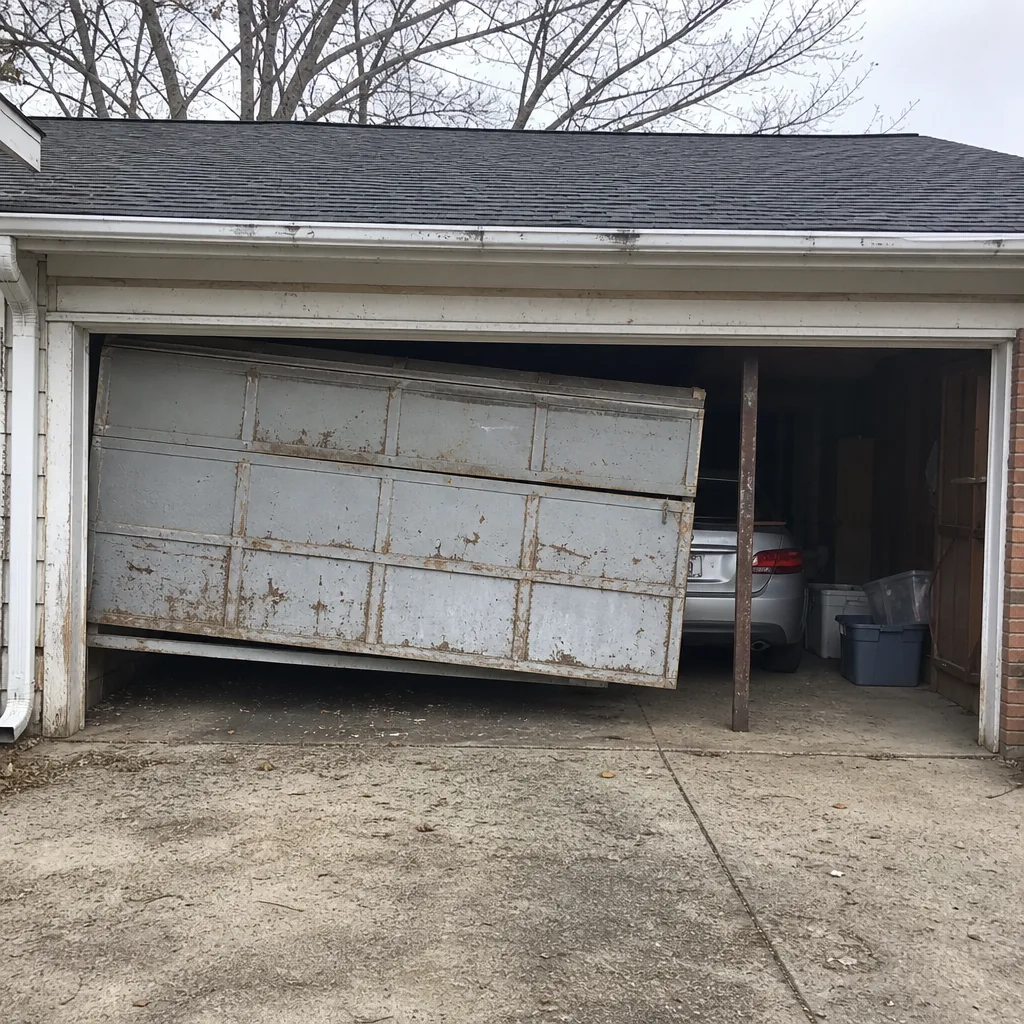
- The door is off its track or visibly crooked on one side
- The door drops fast when you release it manually
- You hear a loud bang from the garage and the door won’t lift
Tier 2: Schedule service this week. These aren’t emergencies, but they signal a component that’s failing and will get worse. Catching them here saves you a Tier 1 call later.
- Grinding, squealing, or scraping sounds during operation
- The door is noticeably slower than it used to be
- The opener hesitates or needs two presses to respond
- The door only opens partway before stopping
- Visible gaps between door panels or a sagging top section
- The remote only works from close range
Tier 3: Note it for your next maintenance visit. These are small things. Worth writing down, not worth a same-day call.
- A faint rattle or pop during operation
- Minor weatherstrip wear on the bottom seal
- Cosmetic scuffs, dings, or peeling paint
- A door that’s slightly noisier than it used to be
The rule of thumb: if a human or a car is at risk when it fails, it’s Tier 1. If it’s just annoying, it’s Tier 3. If it’s in between, treat it as Tier 2. When you’re genuinely unsure, err toward the more urgent tier.
Visual, Audio, and Performance Signs: Why the Category Matters
Warning signs come through three channels: what you see, what you hear, and how the door performs. Each channel points to a different group of components, and knowing which one is talking saves a lot of guesswork.
Visual signs
Visual signs point to anything you can inspect with your eyes from the floor. Broken springs, frayed cables, misaligned tracks, bent panels, and worn rollers are all in this category. Most visual signs are structural or mechanical, and they almost always sit in Tier 1 or Tier 2. The reason is simple: when a structural component fails, it doesn’t fail gently.
Audio signs
Audio signs point to friction, misalignment, or component wear. A grinding sound usually means a roller has seized or the track has warped. A squeal means metal-on-metal contact or dry hinges. A pop or bang means something under tension just broke. Audio signs rarely tell you the whole story on their own, but they’re often the earliest signal that something’s off.
Performance signs
Performance signs tell you how the door behaves, not how it looks or sounds. A door that runs slow, stops partway, only opens when the remote is close, or reverses before closing is showing you a performance symptom. Performance signs are the trickiest to diagnose because the problem could be in the door itself, the opener, the springs, or the wiring between them. That’s why the manual-versus-opener test below matters.
One more thing: the three channels often combine. A grinding sound (audio) plus a door that lags on the opener (performance) usually points to a roller and opener combination problem. When signals overlap, the urgency usually climbs to Tier 2 at minimum.
The Cable About to Snap vs. the Cable That’s Merely Loose
Garage door cables are under a lot of tension, and when one fails, it fails violently. Knowing the difference between a cable that’s about to snap and one that’s just loose is one of the most useful skills an Oakley homeowner can pick up, because it sets your urgency tier immediately.
What a cable about to snap looks like
- Individual wire strands are visibly broken or frayed along the length
- The cable is kinked or has a sharp bend in it
- The cable is sitting off its drum, not wrapped tight against it
- You can see fraying near the bracket or the drum end
- The cable has a “birdcage” look where strands have unraveled
If you see any of these, stop using the door. A snapping cable can whip violently, and the door on the opposite side can drop unevenly.
What a merely loose cable looks like
- The cable is seated on the drum but has visible slack near the bottom
- The door hangs slightly off level but operates without any banging
- You can see the drum has cable wound unevenly, but the strands are intact
A loose cable is still a Tier 2 problem. Slack means the door isn’t balanced, and unbalanced doors wear the opener out faster. But it’s not the same as a cable about to fail.
One thing to note: cables are the second most dangerous component in a garage door after the springs. We don’t ever give step-by-step DIY instructions for adjusting, tightening, or replacing a cable because a homeowner without the right training and equipment can be seriously injured doing it. If the cable looks wrong in any way, treat it as a professional job.
Manual Works, Opener Struggles: Which Side Is the Problem?
One of the most useful diagnostic tests for any Oakley homeowner is a simple one: disconnect the opener and open the door by hand. What the door does next tells you almost everything about where the problem lives.
- Pull the manual release cord hanging from the opener rail. This disengages the opener from the door.
- Lift the door by hand slowly to a halfway point, then let it go gently.
- Watch what it does. A balanced door with working springs should hold roughly in place with light effort. A door with a broken spring will feel very heavy and drop. A door with dragging tracks will resist evenly.
- Open it all the way by hand, then close it by hand.
- Re-engage the release cord. Run the opener normally.
If the door moves easily by hand but the opener struggles: the problem is almost always the opener itself, or its accessories. A failing drive gear, worn logic board, misaligned safety sensor, or a bad limit switch will show up here. LiftMaster and Chamberlain openers in particular have a few common failure points in their logic and safety-sensor circuits, and we see a lot of those calls in Oakley. The fix is on the opener side, not the door side.
If the door is heavy or fights you by hand and the opener also struggles: the problem is the door. Broken springs, a bent track, worn rollers, or a panel that’s warped are the usual suspects. A strong opener can mask a heavy door for a while, but it’ll eventually burn out trying to compensate.
If the door is heavy by hand but the opener handles it fine: the opener is working harder than it should and will eventually fail. This is a classic Tier 2 case. The door needs service even though it “works.”
That last case is worth calling out. A garage door that strains under an opener doing its best impression of a weightlifter isn’t a door that’s fine. It’s a door that’s about to be a broken opener.
What’s Normal for an Older Door vs. What Looks Normal but Isn’t
Older garage doors do a few things that look alarming but are fully normal. They also do a few things that look normal and are actually signs of accelerating wear. Sorting the two is where homeowners get stuck, so here’s the split.
Normal for an older door
- Louder operation than a new door (rollers and hinges dry out over time)
- Slightly slower lift as the springs age
- Weatherstrip that’s compressed or cracking from years of sun exposure
- Cosmetic rust spots on the bottom panel near the ground line
- A faint pop when the door first moves after sitting a while
Looks normal, but isn’t
- The door runs smoothly but drifts down a few inches when left halfway – this is a spring losing tension
- The door operates fine, but the panel gap is widening – this is a hinge or section joint failing
- The opener works, but the door reverses every few weeks or so – intermittent sensor failure
- The door is silent on the way up but grinds on the way down – usually a warped track
- Weatherstrip looks fine visually, but there’s light coming under the door – a cracked seal
Here in Oakley, the seasonal swings from humid summer to cold, dry winter put garage doors through a lot of expansion and contraction. That cycle quietly loosens hinges, works track bolts loose, and pushes springs toward their wear limit. A door that looks fine in October can be noticeably rougher in January. That’s why the “next maintenance visit” list matters: it’s a real safety net for the door, not just a suggestion.
Brand-Specific Wear: Wayne Dalton and Clopay Doors
Some wear patterns are brand-specific, and knowing your door’s brand helps you read its warning signs more accurately. Two families we see a lot in Oakley are Wayne Dalton and Clopay.
Wayne Dalton
Wayne Dalton doors with a TorqueMaster torsion system hide the spring inside the torsion tube. That’s helpful for appearance, but it means the spring can be worn without visible breakage. The signs to watch for on a TorqueMaster door are a door that feels heavy on manual release, a door that only opens partway, or a torsion tube that sounds like it’s grinding when the opener runs. A TorqueMaster system is also trickier to work on without the right training, and we always verify the specific Wayne Dalton torsion setup before quoting a spring fix.
Clopay
Clopay doors are common across Oakley’s newer subdivisions, and their polyurethane-insulated doors sometimes show wear through panel separation rather than spring failure. If you notice a gap opening between the top two panels, or the door looks slightly uneven from the side, that’s a section joint or hinge problem, not an opener issue. Clopay doors with steel back panels can also show rust trails near the bottom hinge that look like cosmetic spots but are actually the hinge starting to seize.
We work with Raynor and LiftMaster as well, and the same principle applies across all four: get to know your door’s brand and system type, because it tells you what to check first. If you don’t know what door you have, that’s fine; the model is usually stamped on the door itself, and the opener brand is printed on the opener. That’s enough for a trained technician to know where to start.
Seasonal Shifts, Ohio Weather, and the Signs That Follow Them
Oakley’s climate gives garage doors a workout. Spring and fall bring temperature swings that work on every moving joint. Summer humidity swells wood-composite panels and softens weatherstripping. Winter cold stiffens lubricants and puts extra stress on springs. The signs you see change with the season, and knowing which season produces which warning helps you know whether to expect it or worry about it.
What you’ll see in spring
- Grinding sounds that showed up after winter cold
- Rollers that have started seizing from the freeze-thaw cycle
- Doors that feel heavier than they did in the fall
What you’ll see in summer
- Warping on wood-composite doors from humidity
- Weatherstrip that’s starting to pull away at the bottom
- Openers that struggle to close the door firmly against a soft seal
What you’ll see in fall and winter
- Louder operation as lubricants thicken in the cold
- Doors that lift slowly because the springs have stiffened
- Metal-on-metal pops on the first cycle of the morning
None of these are cause for panic, but they’re all worth writing down. A door that’s twice as loud in January as it was in October is a door that needs a service call in October, not January.
Common Mistakes to Avoid
- Forcing a reversing door to close. When the safety sensor reverses the door, it’s doing its job. Overriding that by holding the wall button or adjusting the sensors to ignore the reversal turns a safety system into a hazard. Stop and call.
- Tightening springs, cables, or drums as a DIY project. These components are under high tension and can cause serious injury if released improperly. Garage door springs in particular store enough force to injure an adult, and we never recommend handling them without proper training and equipment.
- Assuming a loud door is “just an old door” and leaving it. A door that’s noisier than it used to be is usually communicating a specific problem like dry hinges, seized rollers, or a warped track. Treat the noise as a signal, not a personality.
- Replacing the opener to fix a door problem. A heavy door that fights the opener isn’t an opener problem. Replacing the opener without fixing the door will burn out the new opener and waste the install.
- Ignoring small changes. A door that drifts slightly, runs a hair slower, or pops once in a while is telling you something. In Oakley’s seasonal swings, small changes in fall turn into Tier 2 problems by winter.
- Putting off the maintenance list indefinitely. A Tier 3 sign noted “for next time” three visits in a row is a sign the maintenance visit isn’t happening. Book the visit, get the door serviced, and clear the list.
- Assuming a TorqueMaster or brand-specific system can be repaired by any technician. Wayne Dalton TorqueMaster systems, Clopay insulated doors, and LiftMaster logic boards all need brand familiarity, not a generic repair.
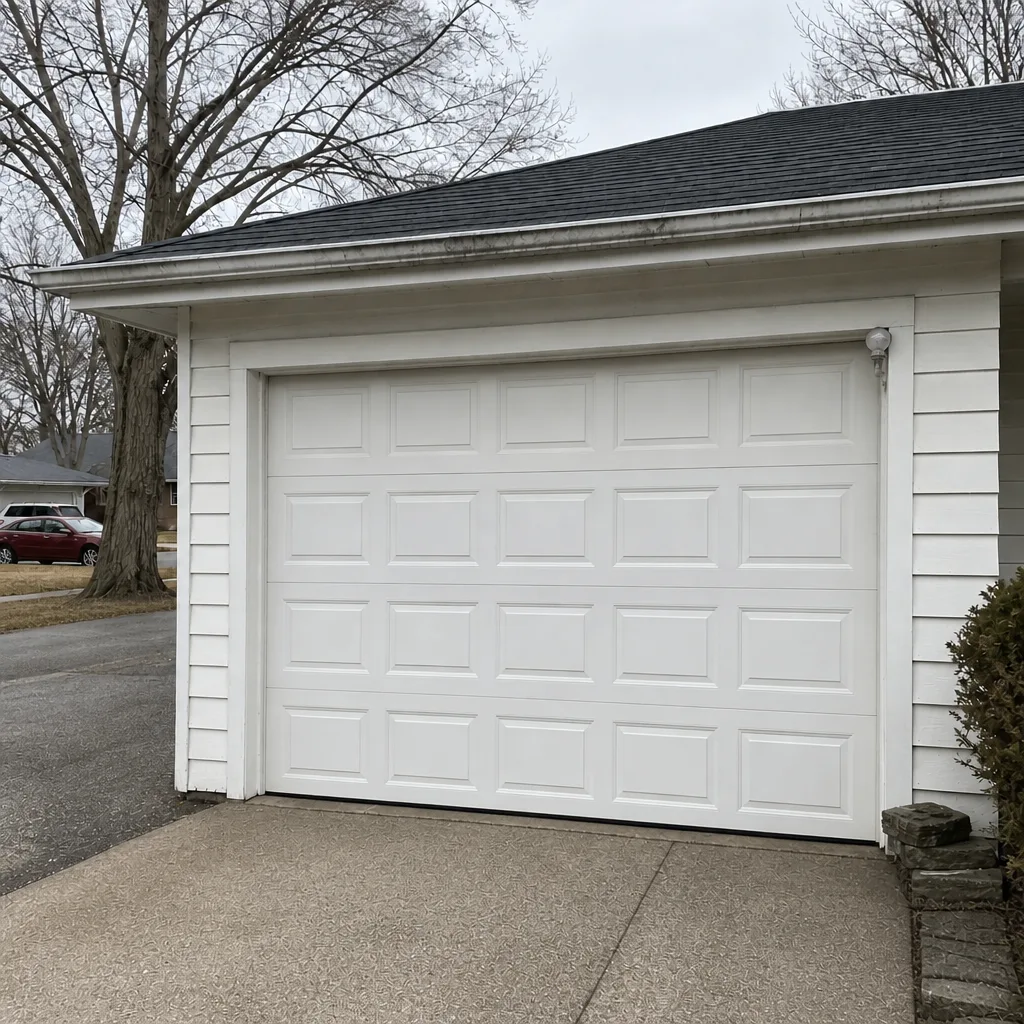
See the difference
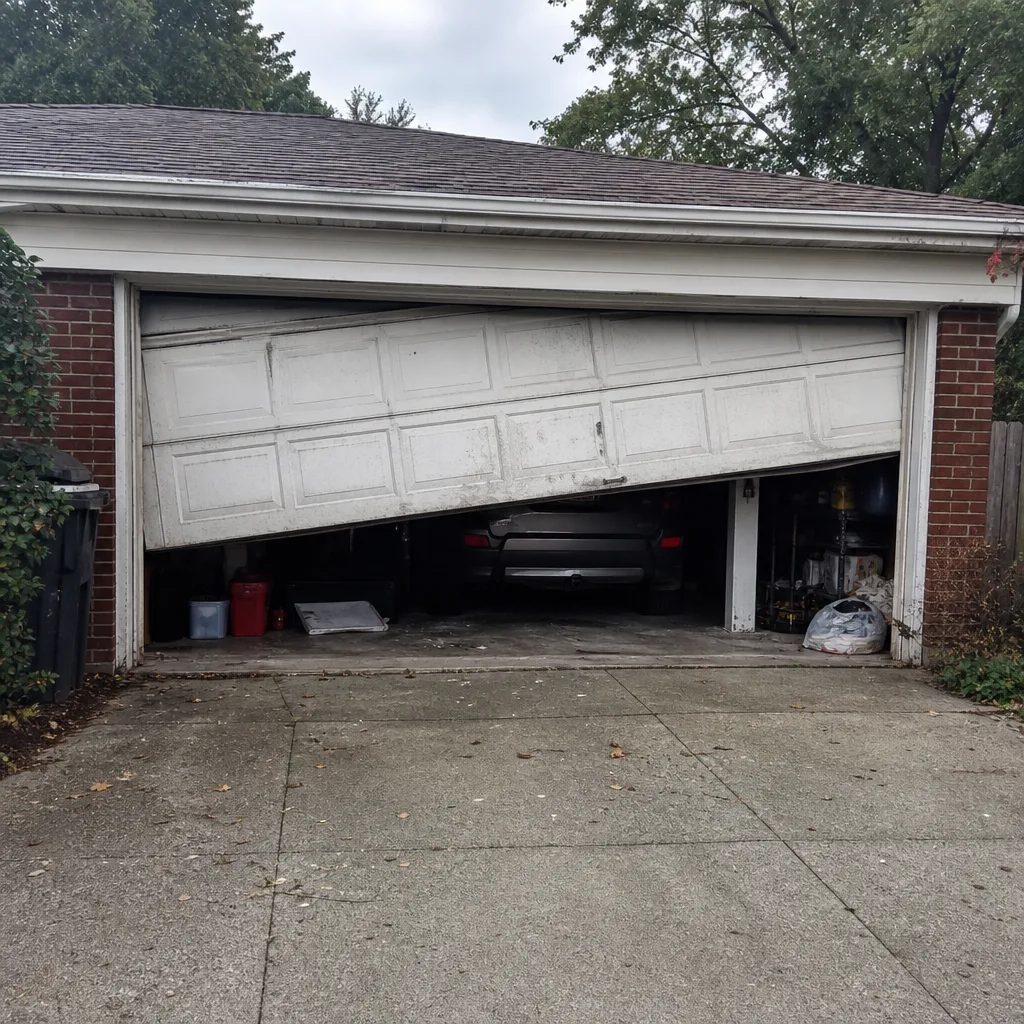 Before
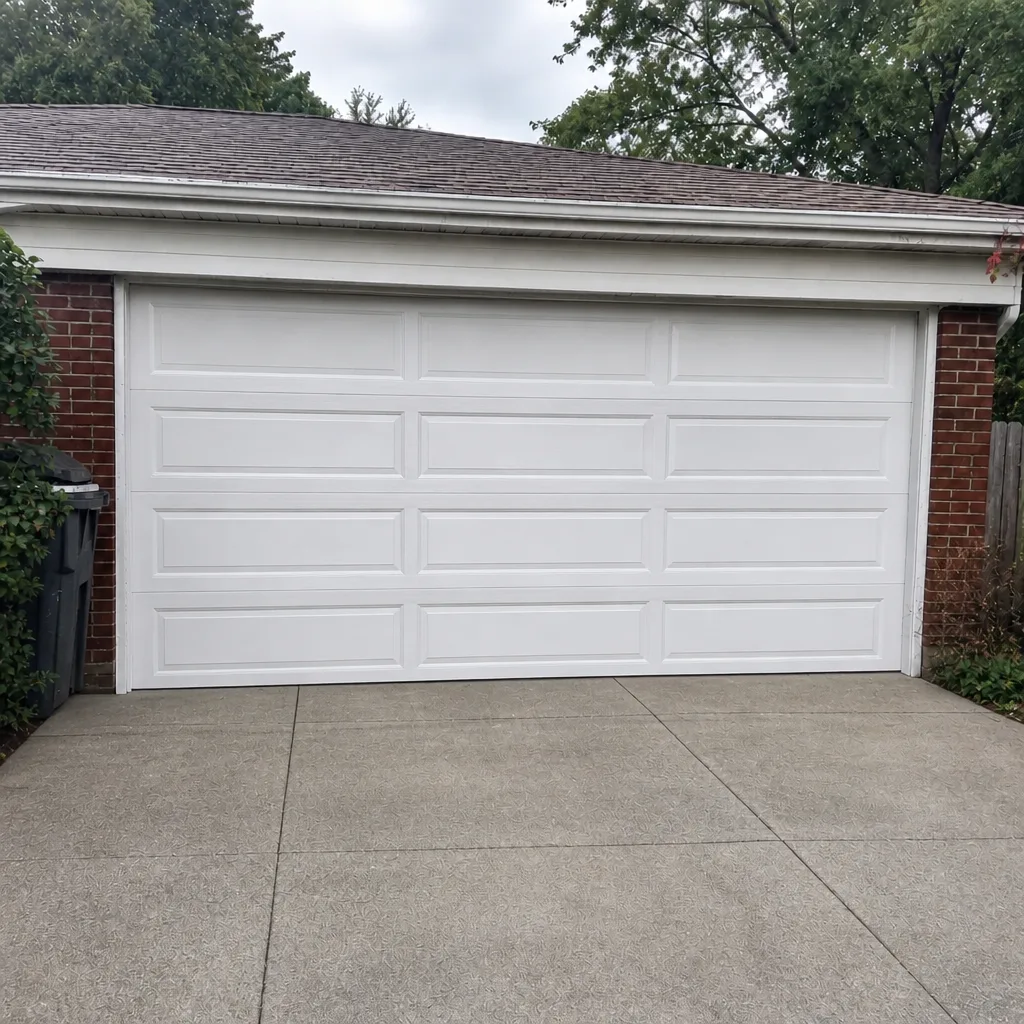 After
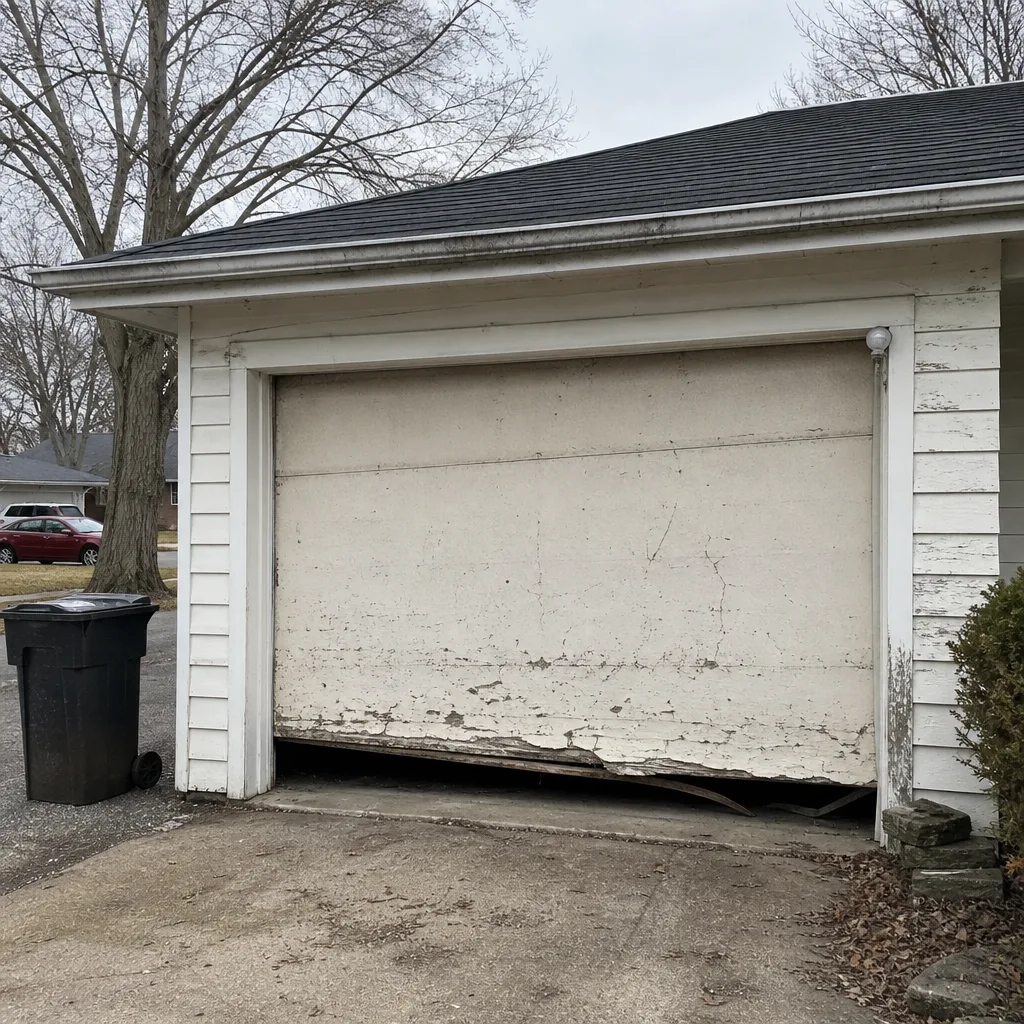 Before
 After
 Before
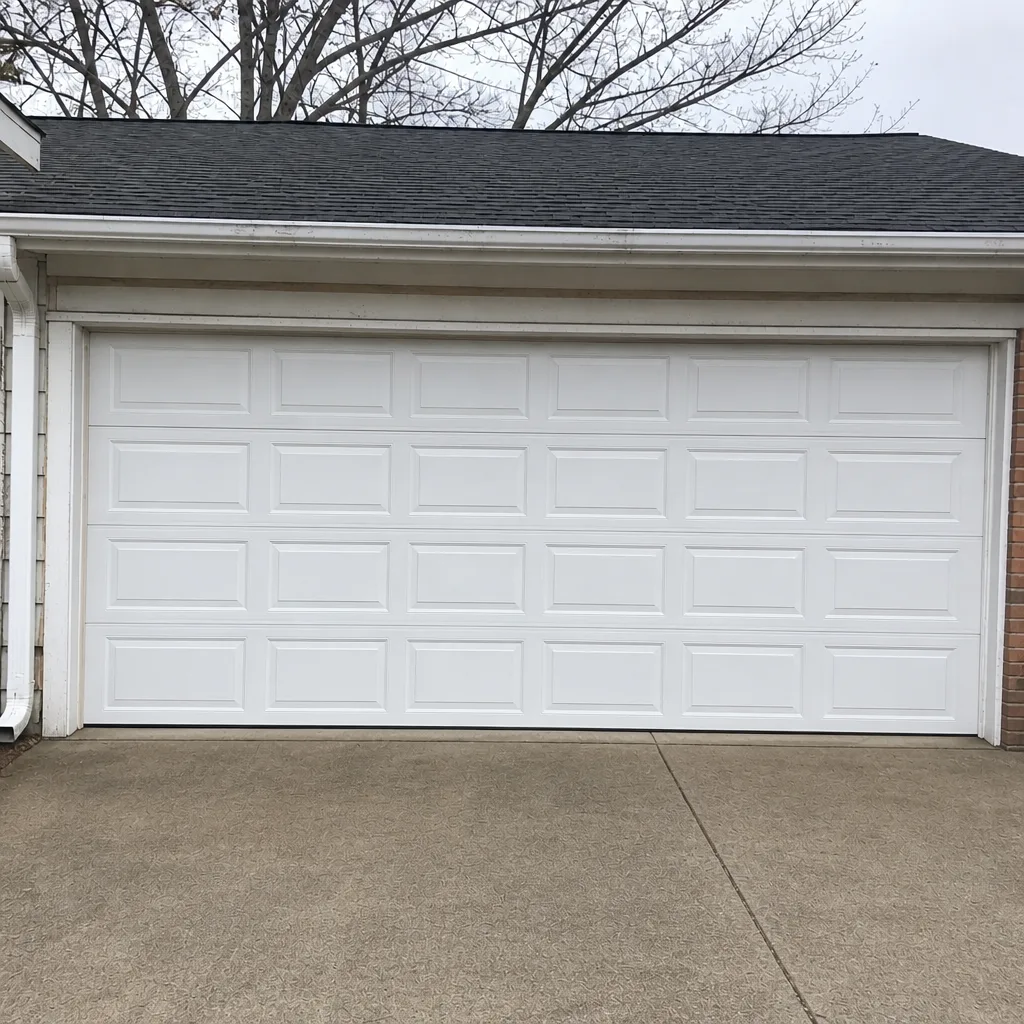 After
When to Call a Professional
Call a professional anytime a warning sign lands in Tier 1 (reversing door, broken spring, frayed cable, off-track door, loud bang from the garage) or anytime a Tier 2 sign persists past a week. If you’re not sure which tier you’re looking at, call anyway and describe what the door is doing. We can usually tell from the description whether it needs a same-day visit.
We handle garage door repair in Oakley across all the major brands, and our technicians have up to 8 years of experience working with Wayne Dalton, Clopay, Raynor, LiftMaster, Chamberlain, Genie, Amarr, and Craftsman systems. We also offer free estimates on every job, and the written estimate sets the price before any work starts.
Oakley Garage Door Repair Pros offers free estimates in Oakley. Call (877) 492-3387 to book a visit. We answer 24/7, with fast dispatch from 7am to 7pm, Sunday through Friday.
Frequently Asked Questions
The first sign to watch for is the door reversing before it hits the ground. That’s the safety sensor working as designed, and it means something is either in the door’s path or the sensor is out of alignment. Stop using the door and have it checked before something fails mid-cycle.
No. A broken spring means the door’s weight is no longer balanced, and the opener is trying to lift a door that’s several times heavier than it’s rated for. Stop using the door and call for service. A snapped spring can also cause the door to drop unevenly, and it can damage the opener if you keep running it.
Pull the manual release cord and try the door by hand. If it moves easily by hand but the opener struggles, the problem is the opener or its sensors. If it’s heavy by hand and the opener also struggles, the problem is the door. If you’re not sure, call us and describe what the door does on manual release; we can usually tell from there.
Cold stiffens lubricants, shrinks metal slightly, and puts more resistance on rollers and hinges. A door that gets noticeably louder in winter needs lubrication and a service check on hinges and rollers. If the noise is grinding rather than just louder, that’s a Tier 2 sign and worth booking sooner.
Yes. A door that drifts down a few inches when left halfway is a sign the springs are losing tension. It’s not a Tier 1 emergency, but it’s a Tier 2 sign and it’ll get worse over the next few months. Booking a service visit early protects the opener and prevents a mid-cycle failure.
The local professional we connect you with is licensed and insured as Ohio requires. If you want to verify credentials on a specific job, ask when you call; we’ll confirm what applies to your visit before scheduling.
The Bottom Line
Garage door warning signs aren’t all created equal. A reversing door or a broken spring is a stop-now call, not a “keep an eye on it” situation, and treating it like one is how homeowners end up with injuries or a dropped door. A door that’s a little louder, a little slower, or a little uneven is a Tier 2 sign worth booking this week, and small cosmetic items are worth noting for your next maintenance visit. Know your door’s brand and system type (Wayne Dalton, Clopay, Raynor, and LiftMaster all have their own wear patterns), watch for seasonal changes in Oakley, and don’t try to handle a spring or cable yourself.
When in doubt, call. We can sort the sign into a tier over the phone, and if it needs a visit we’ll get one booked. Our technicians have up to 8 years of experience, and we handle spring replacement, opener repair through garage door opener repair, and full garage door installation when a door has reached the end of its usable life.
Call (877) 492-3387 for a free estimate. We answer 24/7. Fast dispatch from 7am to 7pm, Sunday through Friday.
Written by the team at Oakley Garage Door Repair Pros.