
Last updated November 20, 2026
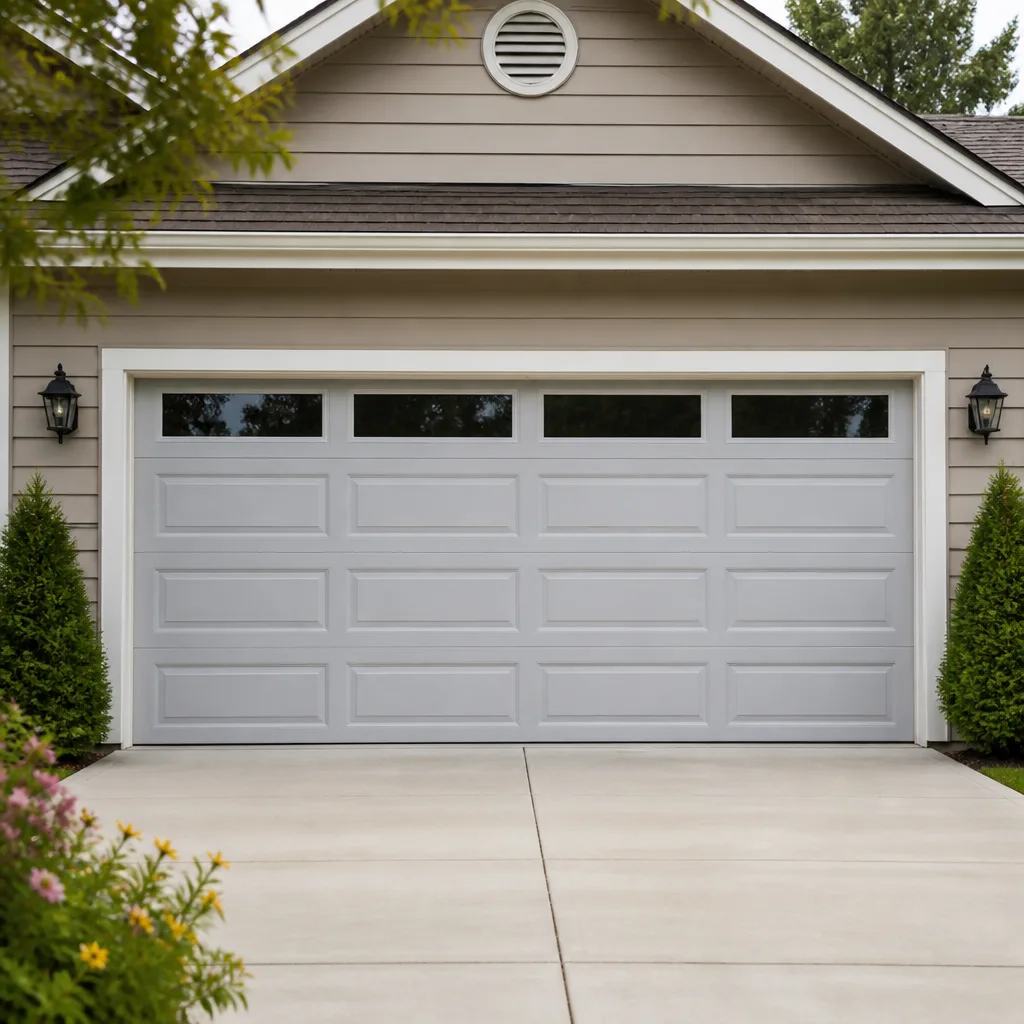 Raised-panel steel
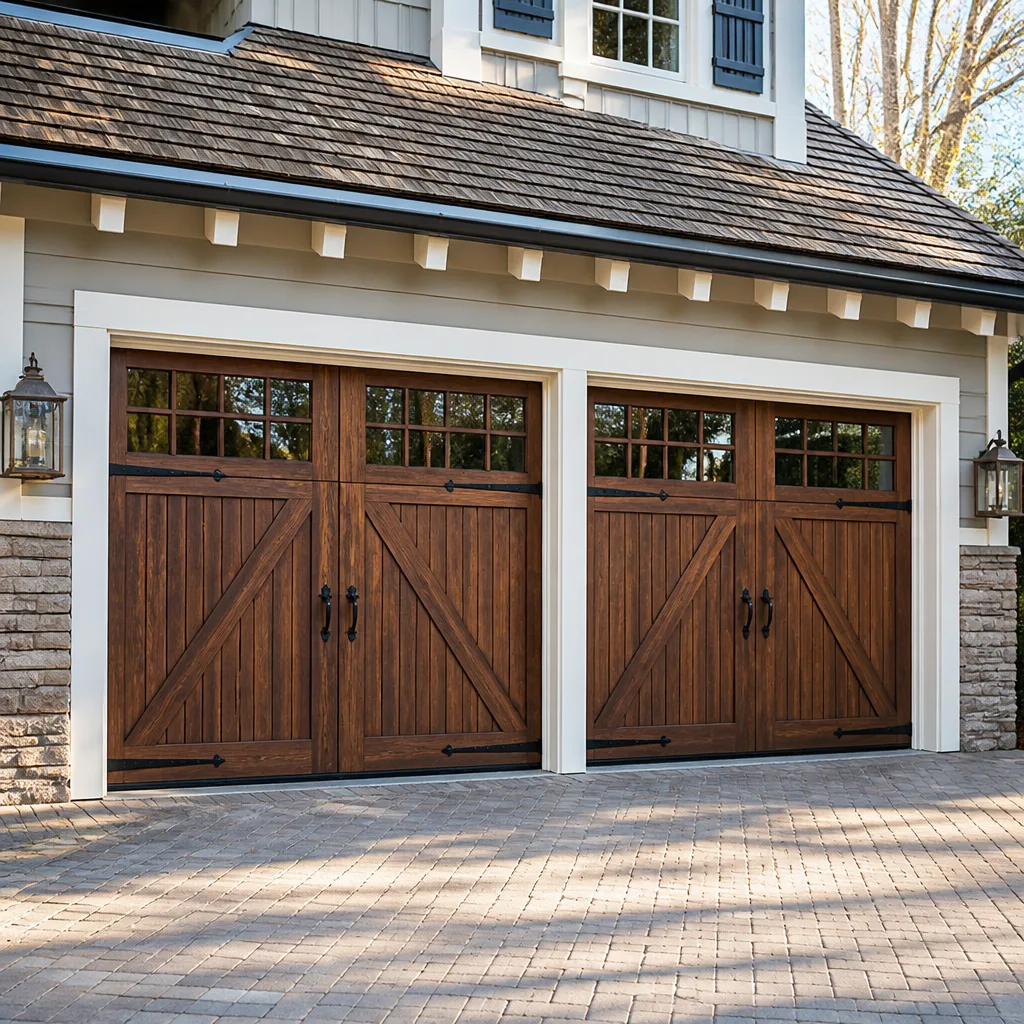 Carriage house
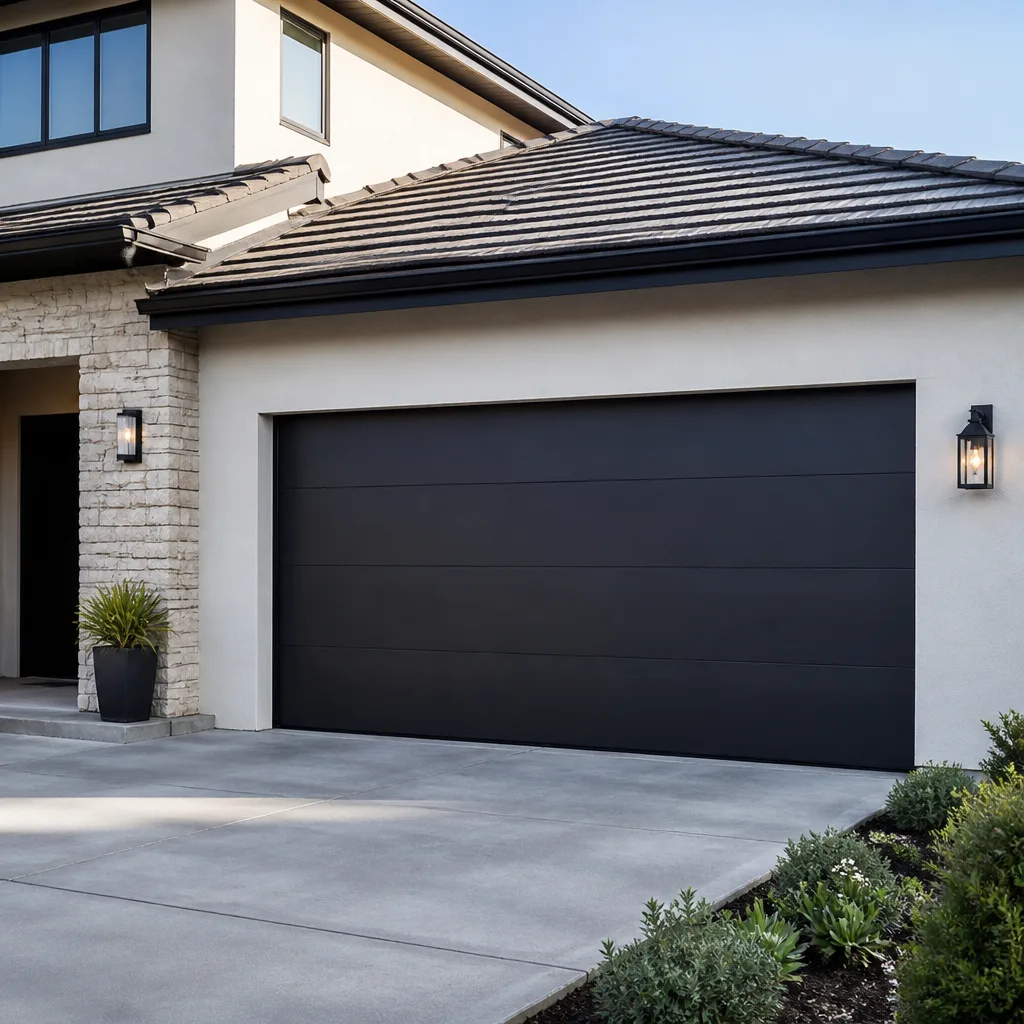 Modern flush
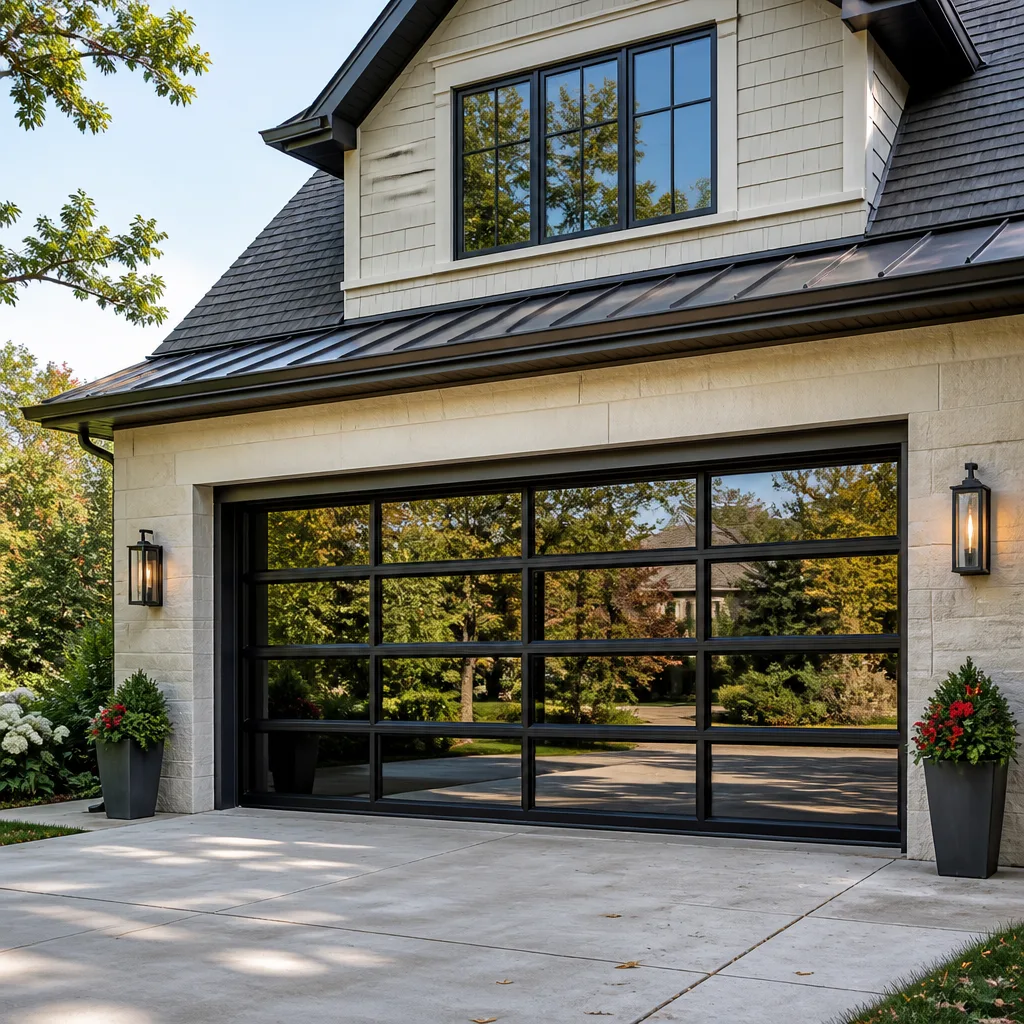 Full-view glass
 LiftMaster openers
 Chamberlain openers
Full 25-point door and opener safety check with every visit - springs, cables, rollers, tracks, and your LiftMaster or Chamberlain opener included
You get a price before we start. It does not change when the pro arrives.
Get your free estimateChoosing the Right Garage Door Brand: A Buyer’s Guide for Oakley
A garage door brand with great reviews in Phoenix can be a poor choice in Ohio, and the gap has little to do with marketing. Steel gauges, insulation ratings, and the density of local service networks vary enough by region that a brand’s national reputation tells you less than you’d think. What matters in Oakley is narrower and more concrete: can you get parts for this door when it fails, does the warranty hold up through a local dealer, and does the construction handle the freeze-thaw swings and summer heat that Ohio throws at it? This guide scores the major brands on those factors and gives you the checks to run before you buy.
Quick Answer
For most Oakley homeowners, a Clopay or Amarr steel door offers the best balance of insulation value, parts availability through Ohio distributors, and warranty support. Wayne Dalton is a solid value pick for uninsulated or lightly insulated doors, and opener pairing with LiftMaster or Chamberlain matters as much as the door brand itself. The single most important check before you commit is whether the brand’s components are stocked locally, because a six-week parts lead time turns a luxury into a liability.
Styles & brands we work with
- Raised-panel steel
- Carriage house
- Modern flush
- Full-view glass
- LiftMaster openers
- Chamberlain openers
Table of Contents
- How Garage Door Brand Choice Differs in Oakley
- Head-to-Head: Brands Available Through Ohio Distributors
- Insulation R-Value: What’s Worth Paying For in Ohio
- Steel Gauge: 24 vs. 25 and How to Verify Before You Buy
- Opener Pairing: Which Doors Work Best With LiftMaster and Chamberlain
- The Parts Availability Test
- Warranty and Service Networks
- A Step-by-Step Way to Choose
How Garage Door Brand Choice Differs in Oakley
Oakley sits in a climate that swings hard across a single year. A garage door that looks fine in a brochure can be the wrong door here for reasons that don’t show up until the second winter. The steel flexes and contracts through repeated freeze-thaw cycles, the insulation has to actually hold against a cold snap, and the hardware needs to stay available because when a torsion spring or a roller gives out, you need a part that fits, not a part that ships.
That last point is where most buying decisions go wrong. National brands publish impressive warranty documents, but the warranty is only as good as the dealer network behind it. In Oakley and the surrounding east-side neighborhoods, you’ll see a wide range of door brands installed, and the ones that age well tend to be the ones whose parts a local service technician can actually source. Our technicians have up to 8 years of experience, and the pattern we see is consistent: doors with strong local parts support get repaired and keep working; doors without it get replaced prematurely.
Three factors decide how a brand performs here:
- Insulation value matched to an attached garage. In a climate with real winters and real summers, an attached garage acts as a buffer between the house and the outside air. A door with too little insulation works against your home’s heating and cooling.
- Steel gauge and finish. Thicker steel and better coatings resist the dings and impact damage that a daily-use door collects.
- Local parts and dealer support. This is the tiebreaker between two brands that otherwise perform the same.
If you’re weighing a repair against a replacement, our garage door repair team can tell you plainly whether the door you have is worth fixing or whether the brand’s parts availability has become the problem.
Head-to-Head: Brands Available Through Ohio Distributors
The brands you’ll actually find through Ohio distributors, and the ones we service most in Oakley, are Clopay, Amarr, Wayne Dalton, and CHI. Each wins in a different situation, and each has a place where it loses. Here’s the honest comparison.
Clopay
Clopay is the most widely distributed steel door brand in the region and arguably the safest default for most Oakley homes. The range is deep, insulation options are strong, and because the brand is so common, parts and service knowledge are easy to find. Where Clopay loses: at the entry level, the cheaper models are lightly insulated, so you need to read the model, not the brand name, before you assume you’re getting a well-insulated door.
Amarr
Amarr competes closely with Clopay on steel doors and often wins on insulation value per dollar in the mid range. Construction is solid and the brand holds up well through Ohio’s temperature swings. Where Amarr loses: it isn’t quite as universally stocked as Clopay, so the parts availability check matters more before you commit to a specific model.
Wayne Dalton
Wayne Dalton is a strong value pick, especially for uninsulated or lightly insulated doors and for situations where budget leads. It’s a common brand in Oakley and parts are generally reachable. Where Wayne Dalton loses: on the higher-insulation end, it doesn’t always match Clopay or Amarr on R-value for the price, and some model lines have shorter finish warranties than the premium competition.
CHI
CHI has grown as a distributor-friendly brand and offers good construction for the money, with a straightforward lineup. Where CHI loses: the local service and parts footprint is thinner than the big three, so it rewards buyers who confirm part availability up front.
For a fuller picture of what replacement looks like, our garage door installation service covers measuring, ordering, and hanging the door, and we work across all of these brands rather than pushing one.
Insulation R-Value: What’s Worth Paying For in Ohio
Insulation is the spec buyers overpay for most often, because the numbers climb fast and the real-world benefit doesn’t climb with them. In an Oakley climate with meaningful winters and hot summers, an attached garage benefits from a properly insulated door, so the door isn’t fighting your home’s heating and cooling. What you want is the point of diminishing returns, not the highest number on the brochure.
As a practical guide, here’s how R-value breaks down by situation:
- Uninsulated (roughly R-0 to R-2). Fine for a detached garage or a shed where temperature doesn’t matter. A poor choice for an attached garage in Oakley.
- Lightly insulated (roughly R-4 to R-6). A meaningful step up for an attached garage on a budget. Handles the basics but still loses heat in a cold snap.
- Solidly insulated (roughly R-7 to R-12). The sweet spot for most Oakley homes with an attached garage. You get real separation from outside temperatures without paying premium prices.
- High insulation (roughly R-13 and up). Worth it for a garage used as a workshop, a room above the garage, or a home where the garage is heated. For a standard attached garage, the extra cost often doesn’t return enough to justify it.
Two things matter as much as the R-value number. First, insulation only performs if the door seals well: a well-insulated door with poor weatherstripping leaks more than a modestly insulated door that seals tight. Second, the R-value is a whole-door rating, and the way panels are constructed (polyurethane versus polystyrene core) affects both value and weight. A heavier polyurethane door is a stiffer door, but it also needs a properly sized spring and opener, which is why pairing the door to your opener matters.
Steel Gauge: 24 vs. 25 and How to Verify Before You Buy
Steel gauge is the spec that separates a door that still looks new after years of daily use from one that’s peppered with dents. In steel gauge, a lower number means thicker steel, so 24-gauge is thicker and more dent-resistant than 25-gauge. Many entry-level doors are built with 25-gauge faces, and 24-gauge is the upgrade worth asking about for a door that takes real daily wear.
Why it matters in Oakley specifically: a garage door on a home facing a street or driveway is exposed to whatever the weather throws at it, including the occasional impact from kids, bikes, and yard equipment. Thicker steel resists dents better and holds its finish longer. That said, gauge isn’t the only durability factor, so don’t buy on gauge alone.
Here’s how to verify the gauge before you commit:
- Ask for the spec sheet, not the sales pitch. The gauge should be printed on the manufacturer’s spec sheet for that exact model. If a seller can’t produce it, treat the claim as unverified.
- Check both the front and back faces. Some models pair a thicker front face with a thinner back face. Ask what gauge the back is.
- Look at the section design, not just the thickness. A thicker steel face on a flimsy section frame still dents easily. Ask about the section construction and any embossing, which adds stiffness.
- Compare models, not brand names. Two doors from the same brand can differ by a full gauge. The brand is only as good as the specific model you’re ordering.
For many Oakley homeowners, 24-gauge is the sensible floor for a frequently used, street-facing door, and it’s a spec worth confirming in writing before you sign.
Opener Pairing: Which Doors Work Best With LiftMaster and Chamberlain
Your door and your opener are a system, and the wrong pairing shows up as a door that’s noisy, balky, or that eats springs. The most common openers in Oakley homes are LiftMaster and Chamberlain systems, plus their close cousin Craftsman, which shares much of the same platform. The good news: any door brand we’ve named works with these openers. The pairing question is about weight and tuning, not compatibility.
What to watch:
- Door weight versus opener capacity. A heavily insulated polyurethane door is heavier than an uninsulated one. An opener sized for the lighter door will struggle with a heavier one, so size the opener to the door you’re installing.
- Spring balance first. If the springs are matched correctly to the door weight, the opener barely works to move it. If the springs are wrong, the opener does the lifting and wears out fast. Spring balance is the foundation of a healthy system.
- Smart features. LiftMaster and Chamberlain openers carry strong smart-home integrations. If connectivity matters to you, keeping the opener in one of those families and the door matched to it is the cleaner path.
If your opener is the part that’s failing, our garage door opener repair team works specifically across LiftMaster, Chamberlain, and Craftsman systems, so you keep your connectivity features and get the opener working again rather than replacing the whole setup.
The Parts Availability Test
A brand that can’t get you parts is a liability, not a luxury. Doors fail in predictable ways: springs break, rollers wear, hinges loosen, cables fray. Every one of those repairs needs a matched part. When the part is stocked locally, the fix is quick and inexpensive. When it isn’t, you’re waiting weeks with a stuck door, and a stuck door in Oakley is a security gap as much as an inconvenience.
Here’s a step-by-step way to run the test before you commit to a brand:
- Ask your installer how fast they can source a replacement spring for that model. Springs are the most common repair, so this is the right stress test.
- Ask about rollers and hinges too. These are the wear items. If the small parts are stocked but the springs aren’t, that tells you a lot.
- Ask whether the dealer can order direct from the manufacturer or has to go through a regional distributor. The fewer links in the chain, the shorter the wait.
- Confirm the warranty service path. If a panel or hardware item fails under warranty, who handles the claim locally, and how long does it take?
- Check whether a service team you trust works across that brand. A brand is better supported when technicians already know its systems.
This is the check we care about most. We service eight major brands, so we’ve watched which doors get fixed quickly and which sit waiting for a part. A brand with a six-week parts lead time is exactly the trap this test is designed to catch.
Warranty and Service Networks
A warranty is a promise, and a promise is only as good as the network that has to honor it. National brands publish multi-year warranties covering finish, hardware, and structural components, but a warranty that requires shipping a part across the country doesn’t help you in an Oakley garage. Before you buy, read the warranty document for three things: what’s actually covered, how long each component is covered, and how claims are handled locally.
- Finish warranty. Covers peeling or fading of the paint or finish. Longer finish warranties on steel doors usually track better coating quality.
- Hardware and springs. Often covered for a shorter period than the finish. Springs and moving parts live hard lives, so read the terms rather than assuming.
- Local claim handling. The warranty is only useful if a local dealer or service team can process the claim without an overseas shipping delay. Ask up front.
One honest note on warranty and climate: warranties routinely exclude failures caused by misuse, neglect, or installation mistakes, and the way a door is installed affects how well the warranty holds. A well-installed door seals, balances, and lasts; a poorly installed one of the same brand underperforms. That’s one reason the installer and the brand deserve equal scrutiny.
A Step-by-Step Way to Choose
Pulling all of the above together, here’s the sequence we suggest for an Oakley buyer:
- Decide whether the garage is attached, detached, or heated. That sets your insulation target and rules out doors that don’t belong in that space.
- Set a steel-gauge floor. For a frequently used, street-facing Oakley door, treat 24-gauge as the baseline and verify it on the spec sheet.
- Match the door to your opener. Size the opener to the door’s weight and keep it in the LiftMaster, Chamberlain, or Craftsman family if connectivity matters.
- Run the parts availability test on the specific model. Springs, rollers, and hinges first.
- Compare the model, not the brand. Two doors from Clopay or Amarr can differ widely.
- Have a service team who works on the brand install and tune it. Correct spring matching and balance matter more than the label on the box.
We work across eight major brands, so we’re not in the business of steering you to one. We’re in the business of getting the door right and keeping it right. That’s the standard for any Oakley door we’re asked to install or repair.
Common Mistakes to Avoid
- Buying on national reputation alone. A brand that’s elite in another region can be poorly supported here. Check local parts before you trust the reviews.
- Overpaying for insulation you’ll never use. A detached garage in Oakley doesn’t need a high-R-value door. Match insulation to the space, not the brochure.
- Assuming 25-gauge is “good enough.” For a heavily used, street-facing Oakley door, 24-gauge resists dents better and holds up over years.
- Choosing a brand without checking the parts chain. A six-week lead time on a spring is the difference between a quick fix and a stuck door.
- Skipping the warranty fine print. The finish, hardware, and spring warranties often have very different terms. Read each one.
- Mismatching the opener to a heavy door. A buried-in-the-weight door wears out springs and opener motors. Size the opener and springs to the door.
- Treating installation as an afterthought. Correct balance and sealing are what make a good brand perform. A great door installed poorly still underperforms.
See the difference
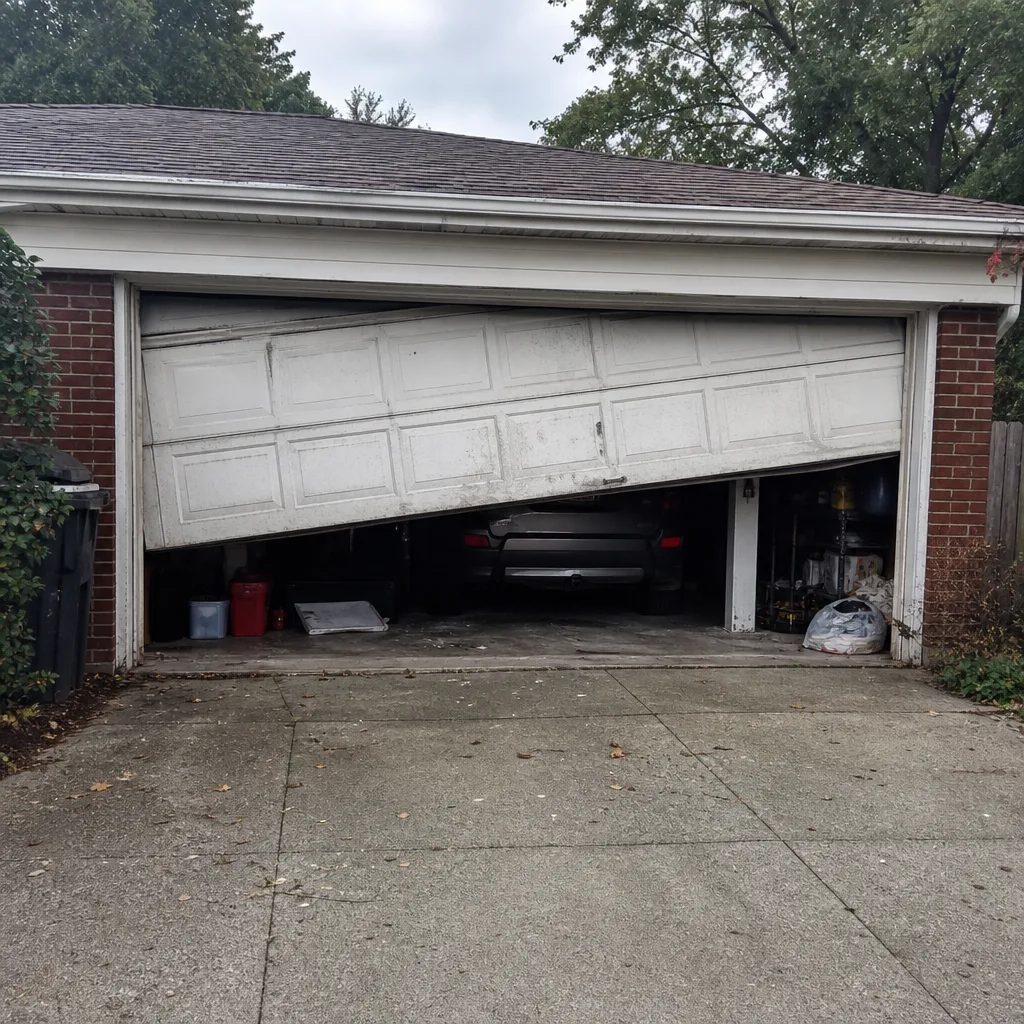 Before
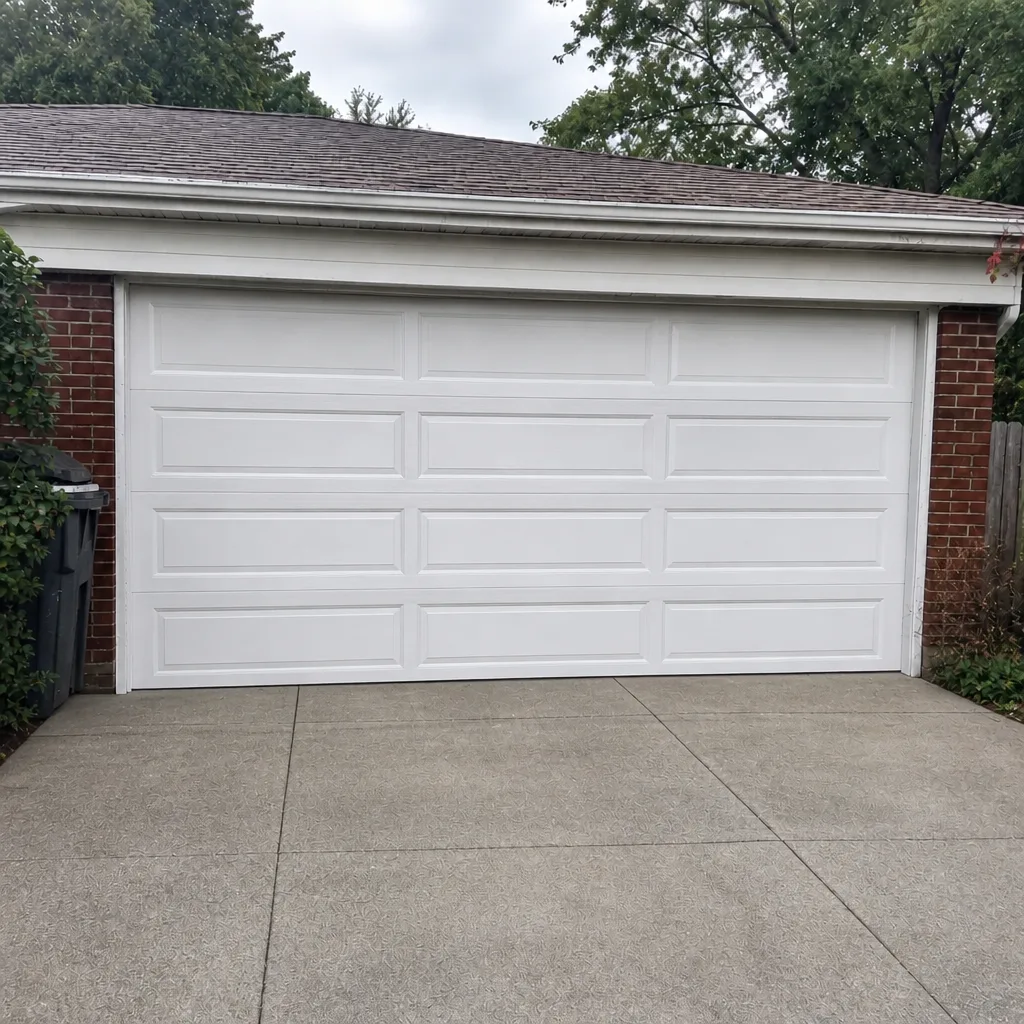 After
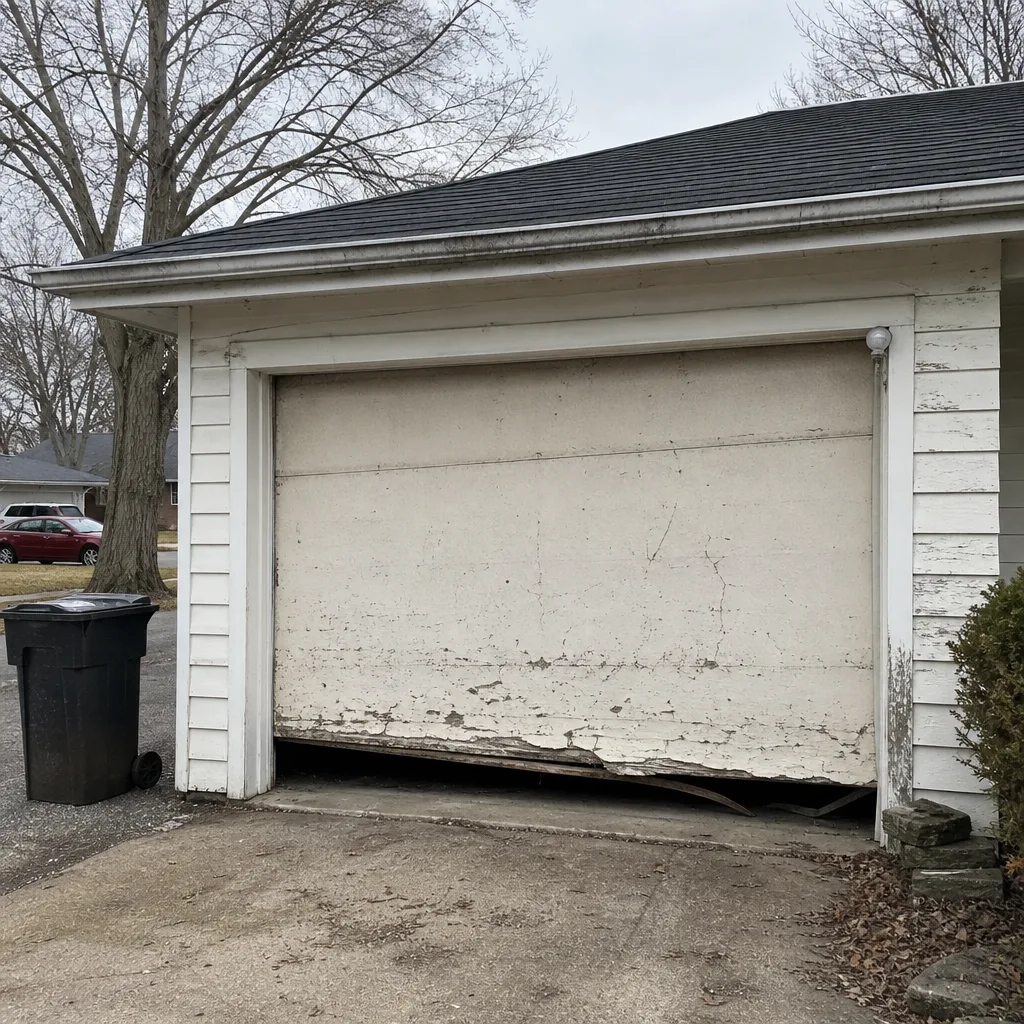 Before
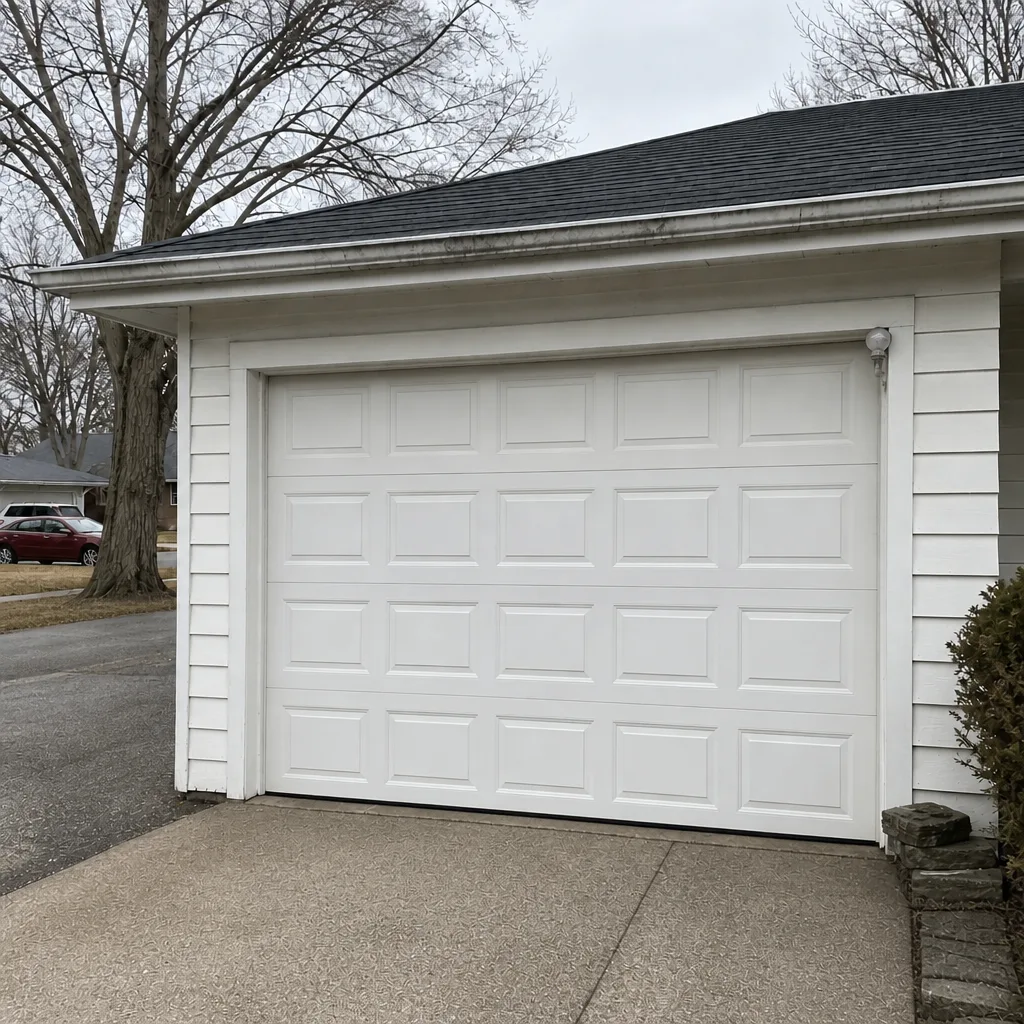 After
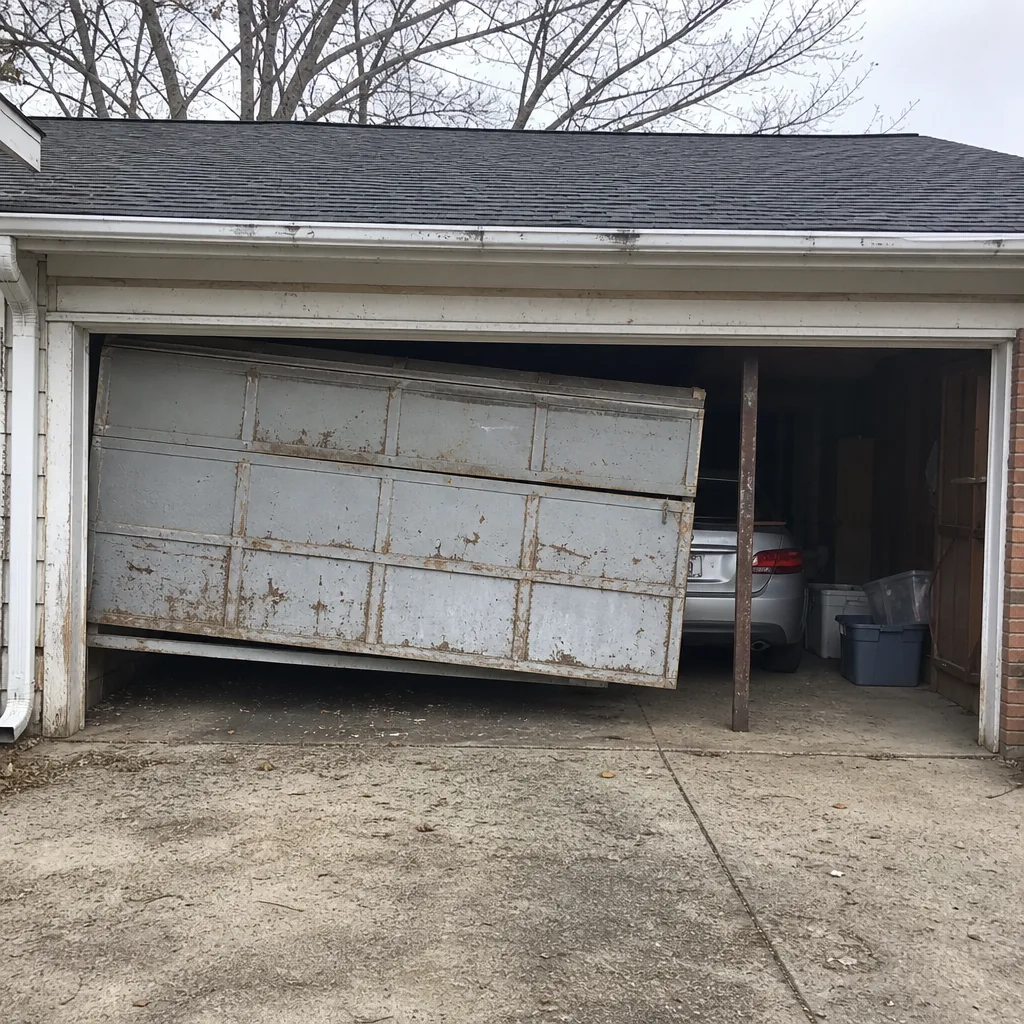 Before
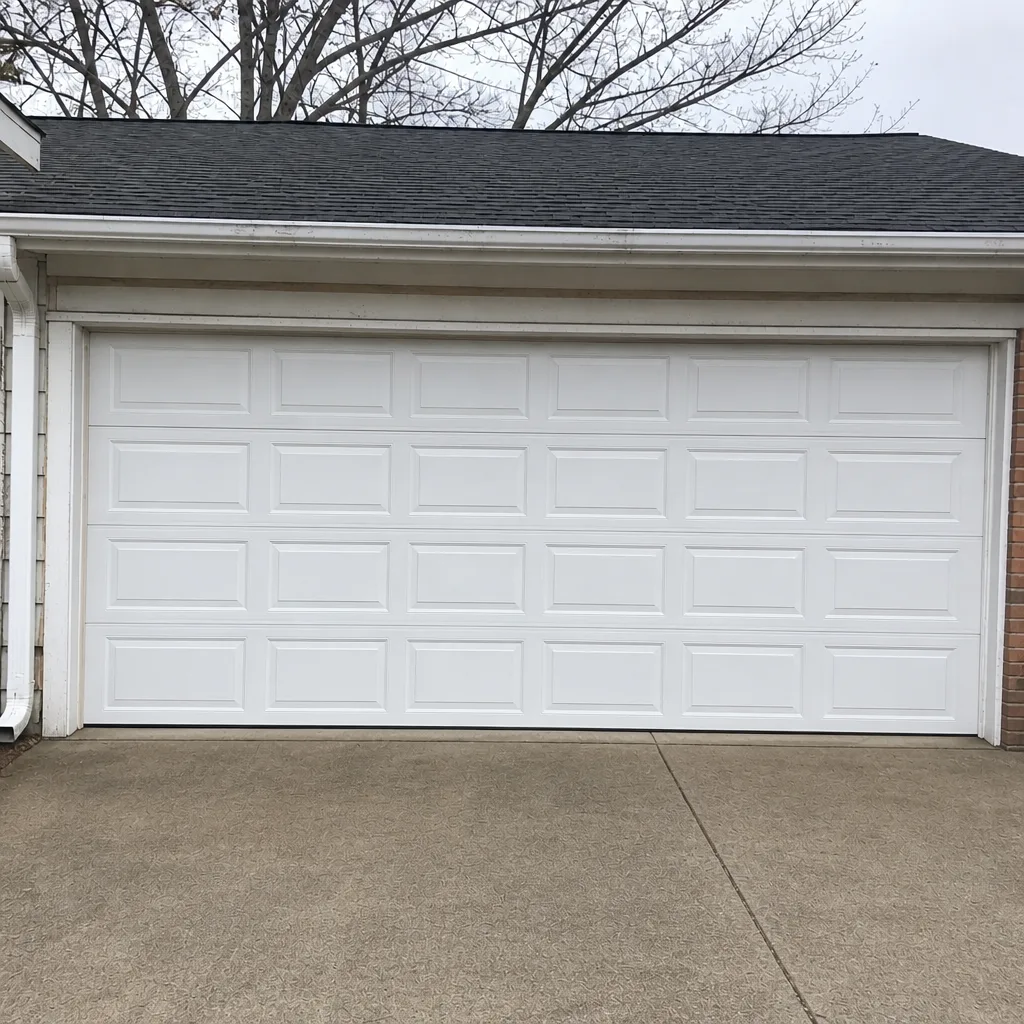 After
When to Call a Professional
Brand selection is a research job, but there are moments when the guide stops and a technician starts. A broken torsion spring, a door stuck open, a frayed cable, or an opener that won’t move the door are all situations where the part and the safety matter too much to leave to chance. High-tension springs and cables store enough energy to cause serious injury, so a trained technician should handle them. As a multi-brand specialist, Oakley Garage Door Repair Pros works on the doors you’re comparing rather than pushing one, and we can confirm whether the door you’re eyeing has local parts support before you buy. Free estimates in Oakley: call (877) 492-3387. We answer 24/7, with fast dispatch from 7am to 7pm, Sunday through Friday.
Frequently Asked Questions
For most Oakley homes, Clopay and Amarr are the strongest all-around choices because they balance insulation value, local parts availability, and warranty support. Wayne Dalton is a good value pick for uninsulated or budget-led doors. The exact model matters more than the brand name, so verify the gauge and insulation on the specific door you’re ordering.
For an attached garage in Oakley, R-7 to R-12 is generally the sensible range, and higher insulation is mainly worth it when the garage is heated or used as a workshop. Above roughly R-13, the extra cost returns less for a standard attached garage. Sealing and installation quality matter as much as the number.
In steel gauge, a lower number means thicker steel, so 24-gauge is more dent-resistant than 25-gauge. For a frequently used, street-facing door in Oakley, thicker steel holds up better to daily wear and impact. Always confirm the gauge on the manufacturer’s spec sheet rather than trusting a sales pitch.
Yes, all the major door brands pair with LiftMaster and Chamberlain openers, plus Craftsman. The real question is sizing: a heavily insulated door weighs more, so the opener and springs have to match the door’s weight. If your opener is failing but the door is sound, an opener repair is usually the right fix.
Spring replacement is priced per spring, and a matched pair is usually replaced together, so a pair costs about twice a single spring. Call (877) 492-3387 for an exact quote on your door; the written estimate sets the final price and is agreed before any work starts. Estimates are free.
For the brands we service, including LiftMaster, Chamberlain, Genie, Clopay, Amarr, Wayne Dalton, Craftsman, and Raynor, we can help source parts because we work across all of them. The parts availability test in this guide is exactly how to check before you buy. Call (877) 492-3387 to confirm support for your specific model.
The Bottom Line
Choosing a garage door brand in Oakley comes down to three questions: does the model have the insulation and steel gauge your garage needs, will the opener and springs be matched to the door’s weight, and can you get parts locally when something fails. Clopay and Amarr are the safe defaults for most homes, Wayne Dalton is a sound value pick, and CHI rewards buyers who confirm parts support up front. Read the spec sheet, run the parts availability test, and have a multi-brand service team install and tune the door. Get those three right and the brand name stops being a gamble.
Written by the team at Oakley Garage Door Repair Pros.