
Last updated November 20, 2026
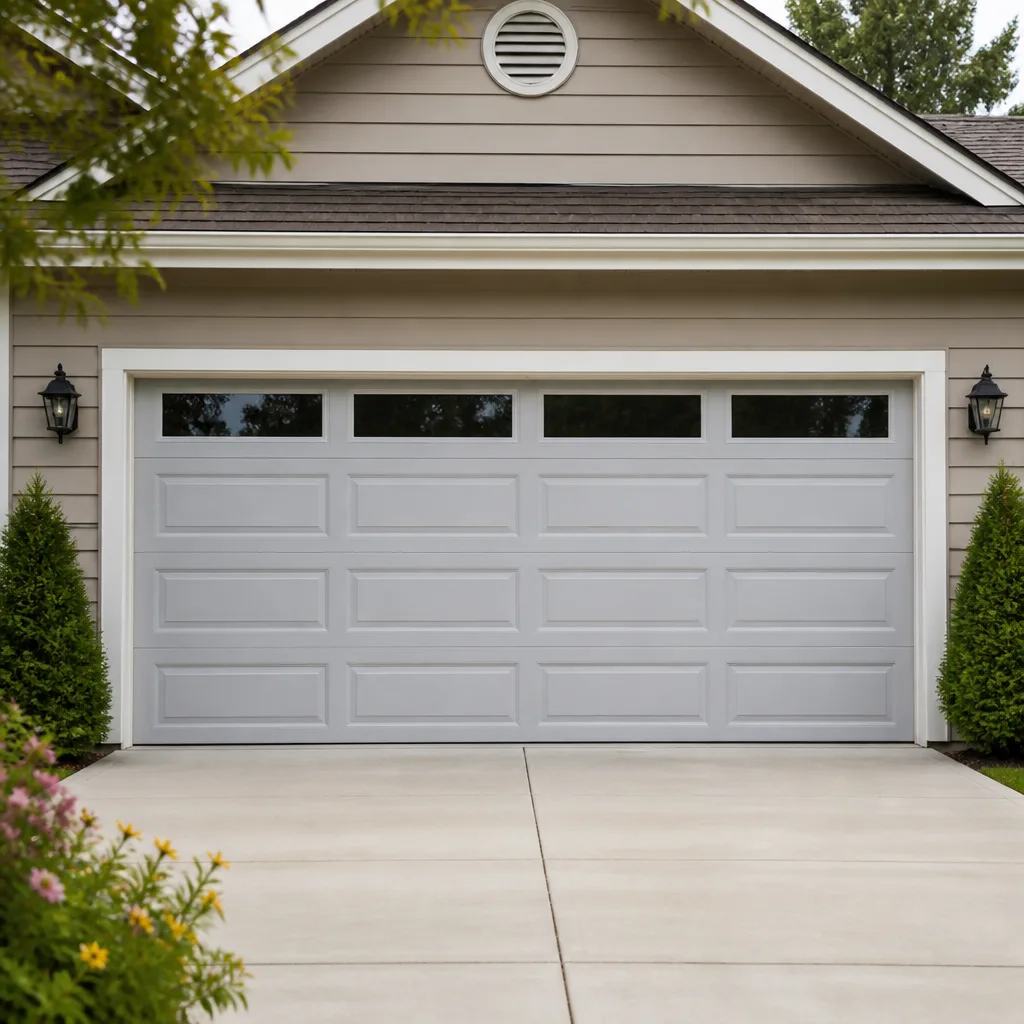 Raised-panel steel
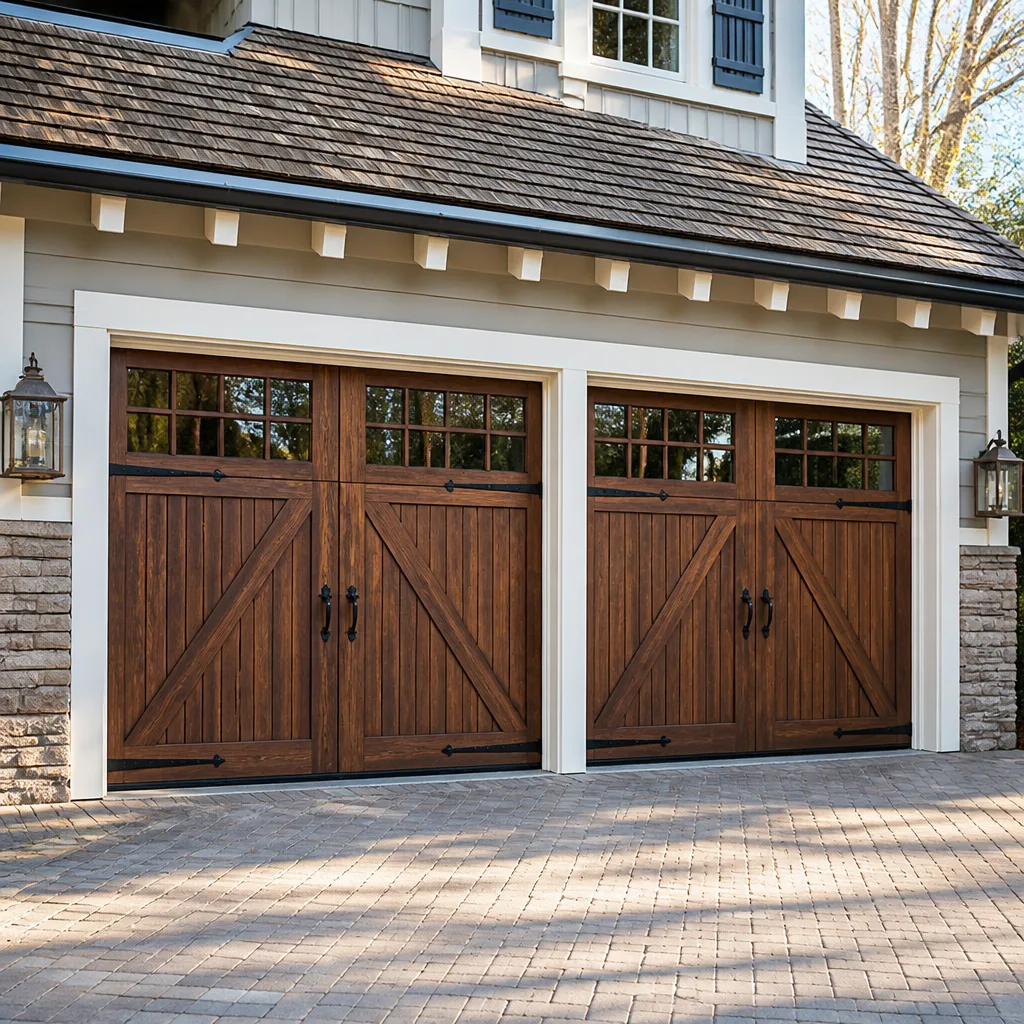 Carriage house
 Modern flush
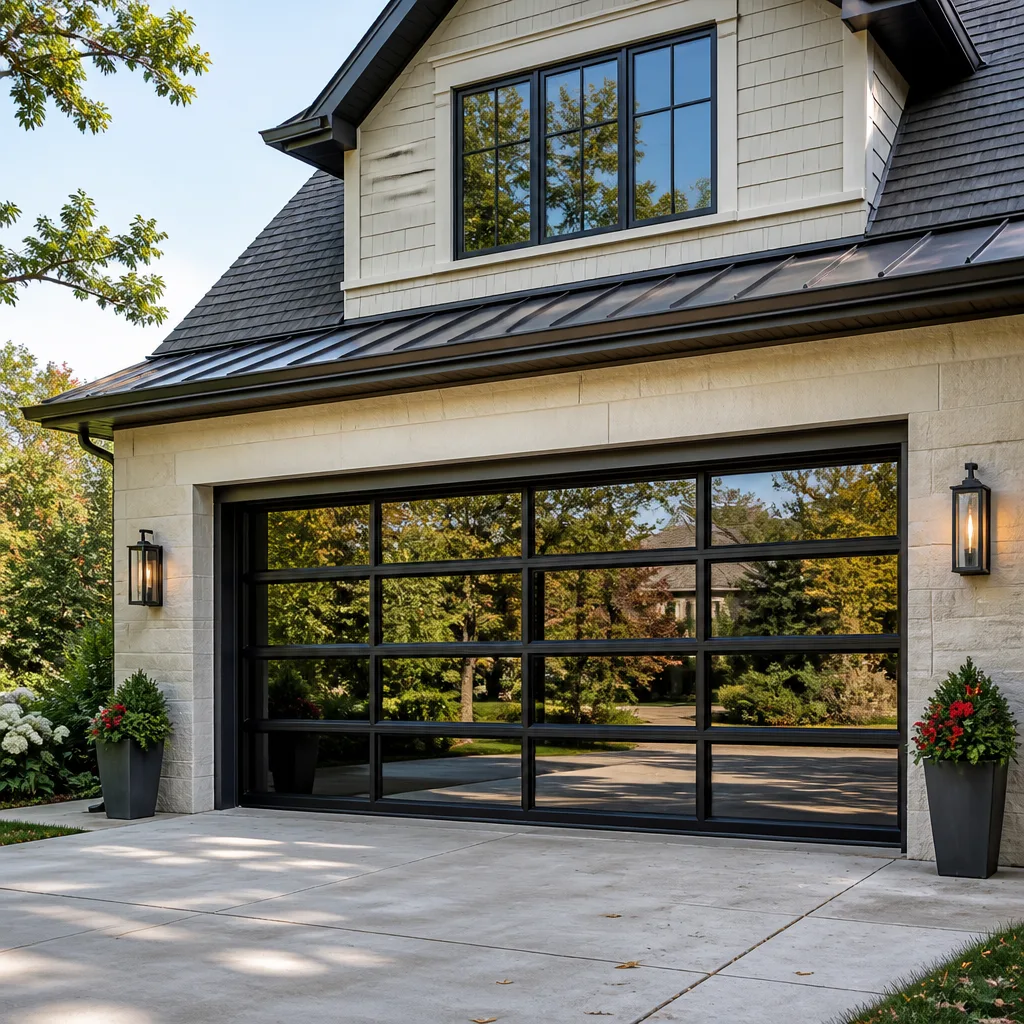 Full-view glass
 LiftMaster openers
 Chamberlain openers
Full 25-point door and opener safety check with every visit - springs, cables, rollers, tracks, and your LiftMaster or Chamberlain opener included
You get a price before we start. It does not change when the pro arrives.
Get your free estimateGarage Door Permits, Codes & Inspections in Oakley, OH: What You Need to Know
Here’s the part of a garage door project most homeowners learn too late: replacing a door is not the same as fixing one, and only one of those is likely to need a building permit. Ohio’s residential code treats routine repairs and maintenance differently than a full replacement, and that line matters when a title search before a home sale turns up work that was never inspected. The current owner is usually the one who has to answer for it, even if the work was done years before they bought the house. In this guide we map when permits actually apply in Oakley, which body governs them, how an HOA overlay can bind you even when no permit is required, what an inspector checks, and how to bring unpermitted work back into compliance.
Quick Answer
A like-for-like garage door repair or a spring or opener replacement is generally classified as maintenance and does not require a building permit in Ohio. A full garage door replacement that changes the door’s size, the opening’s structure, or the wall it sits in usually does fall under Ohio’s residential building code and will require a permit from your local building authority. In Oakley, the City of Cincinnati’s building and inspections department governs permits for properties inside the city limits, so that’s the office to contact before you replace. Permit requirements vary by municipality and can change, so always confirm with your local building department before work begins.
Styles & brands we work with
- Raised-panel steel
- Carriage house
- Modern flush
- Full-view glass
- LiftMaster openers
- Chamberlain openers
Table of Contents
- When a Garage Door Project Needs a Permit in Ohio
- Who Governs Garage Door Permits in Oakley?
- The HOA Overlay: Deed Restrictions That Apply Without a Permit
- What an Inspector Actually Checks in a Garage Door Inspection
- Fixing Unpermitted Garage Door Work After the Fact
- How Unpermitted Work Shows Up at Resale
- How to Do the Permit Process the Right Way
When a Garage Door Project Needs a Permit in Ohio
The dividing line in Ohio is between maintenance and construction. The Ohio Residential Code governs the construction, alteration, and repair of residential structures, and the local building authority decides how those rules apply to a given garage door job. Practically, that means the question is not “is this a garage door project?” but “does this project change the structure?”
Here’s how the split usually falls:
- No permit typically required: Replacing a broken torsion spring, swapping out an opener head unit, re-tensioning cables, replacing rollers and hinges, realigning a door that has come off track, or replacing a panel with a matching panel of the same size.
- Permit typically required: Replacing the entire door with a different size or weight class, altering the opening, changing the header or framing, installing a new door where none existed, or converting a garage to a livable space.
The distinction matters most on replacement. A new door assembly can weigh substantially more or less than the one it replaces, which changes the load on the header and the torsion system. That’s a structural question, and structural questions get a permit. Repair work that brings a door back to its original condition is generally maintenance and sits outside the permit requirement.
Because this line is decided in practice by your local building department, the safest move on any Oakley project is a quick call before ordering a door. Ask a direct question: “I’m replacing a garage door of the same size and make at this address – does this need a permit?” You’ll usually get a same-call answer. What you don’t want to do is assume that any door replacement is automatically exempt. It isn’t, and a permit requirement that’s discovered later is far more expensive than one filed up front.
Who Governs Garage Door Permits in Oakley?
Oakley sits inside the City of Cincinnati, so for property inside the city limits the permit authority is the City of Cincinnati’s buildings and inspections division. That’s the office that issues building permits for residential work and dispatches inspectors to look at it afterward. If your property falls within a neighboring jurisdiction – because Oakley’s boundaries are irregular and some adjacent parcels sit in a different township or village – the authority could instead be Hamilton County or that municipality’s own building department.
The fastest way to know which authority governs your specific address is to open your property tax record or pull your parcel number and call the city’s building department with that number in hand. They’ll tell you immediately whether your address routes to city inspection or the county, and what the permit fee schedule and inspection sequence look like for your project.
On the submission side, a residential garage door replacement permit tends to be a straightforward filing:
- Confirm the governing authority for your parcel number.
- Complete the residential building permit application for the address, naming the scope as a garage door replacement.
- Attach the door’s manufacturer spec sheet, showing model, size, and weight.
- Attach a simple drawing or photo showing the existing opening and the new door in it.
- Submit the application and pay the permit fee.
- Get the permit issued before the door is installed.
- Call for inspection after the door is hung and operating.
Timing on a residential replacement permit is typically short – days rather than weeks – but plan for it in your door order. Most door manufacturers have their own lead times, and you don’t want the door sitting on the ground while the permit is being processed. If you’re comparing whether to repair or go new, our guide to garage door repair walks through what a repair scope typically covers.
The HOA Overlay: Deed Restrictions That Apply Without a Permit
This is the part that surprises Oakley homeowners. A permit and an HOA approval are two entirely separate processes, and running out of one does not cover you for the other. A full door replacement that requires no city permit can still be forbidden by deed restrictions if you’ve missed the design, color, or material requirements written into your subdivision’s covenants.
Oakley is a patchwork of older neighborhoods and newer infill, and what applies to one street often doesn’t apply to the next. Some parcels have no active HOA at all, others have a homeowner association that enforces design review on exterior changes, and still others have recorded deed restrictions that run with the land whether or not an association is still collecting dues.
Before you order a door, do these three things:
- Pull your deed and title documents and look for recorded covenants, conditions, and restrictions (often called CC&Rs).
- Contact your HOA or neighborhood association directly and ask whether a garage door replacement requires a design review or architectural approval, and what the submission process is.
- Ask what the approved color, panel style, and window configuration are for your property – many associations specify these exactly.
This is where brand choice intersects with local rules. A Raynor or Clopay door is available in many panel and color configurations, so if your HOA specifies a raised-panel look in a particular tone, we can usually match that spec on the same series of door. Getting this right up front means the door that arrives is the door the neighborhood will approve.
What an Inspector Actually Checks in a Garage Door Inspection
When a permit is filed and the work is done, an inspector comes out and looks at the installation. Their checklist is short but specific, and there’s one item that gets flagged far more often than any other: fire separation between the garage and the living space.
The garage is a fire risk zone. The wall and ceiling between a garage and a house are supposed to resist fire long enough for the occupants to get out. A garage door replacement often touches that separation in ways homeowners don’t expect – for instance, when new framing around the opening changes how the wall is closed off, or when the installer doesn’t restore a rated assembly that was present before. Inspectors look specifically at whether that separation has been maintained.
What else they check:
- Door operation and balance: the door opens and closes smoothly, stays in place at mid-travel, and does not bind.
- Spring and cable condition: properly matched to the door’s weight and correctly tensioned.
- Opener safety reversal: the door reverses when it meets an obstruction, per the opener’s safety requirements.
- Photo-eye safety sensors: mounted at the correct height, aligned, and functioning.
- Attachment and fasteners: track, brackets, and spring hardware securely fastened to the framing.
- Labeling: the door bears its manufacturer label and the rating information as specified in the permit documents.
We’ve been through this process on LiftMaster, Chamberlain, and Craftsman opener systems, and the safety reversal and sensor checks are where homeowners are most often surprised. Those are a quick fix if you know they’re coming and a re-inspection if you don’t. If you want your opener’s safety features verified before an inspection, our garage door opener repair service covers exactly that check.
Fixing Unpermitted Garage Door Work After the Fact
Discovering that a garage door replacement was done without a permit – sometimes years ago, sometimes by a previous owner – is not the end of the world, but it does require a deliberate process. The route back to compliance is usually an after-the-fact permit, sometimes called a permit for existing work, submitted to the same building authority that would have issued the original permit.
Here’s how that generally works:
- Contact the governing building authority for your address and explain the situation. Ask specifically what their process is for permitting existing unpermitted work.
- Gather what documentation exists: the door’s make and model, any receipts from the installation, and photos of the installed door and its hardware.
- Submit the after-the-fact permit application with the documentation you’ve gathered.
- Pay the permit fee, which in an after-the-fact scenario may be higher than the standard fee, since some jurisdictions apply an additional administrative charge for work done without a permit. Ask up front so there are no surprises.
- Schedule the inspection. The inspector will look at the installation the same way they would in a standard inspection, with particular attention to the fire separation between garage and living space.
- If corrections are needed – typically new hardware, a re-tensioned spring, or a fix to the fire separation – have those done and call for re-inspection.
On timing, we tell Oakley homeowners to plan on a process measured in weeks, not days. The variable isn’t the inspection itself; it’s the back-and-forth of documentation, any corrections the inspector flags, and the scheduling window for a re-inspection. The money side has two components: the permit and administrative fees from the city, and the cost of any corrections the inspection requires. If the door was installed correctly to begin with, corrections are often minor. If it wasn’t, you’re looking at real work to bring it up to code.
The worst thing you can do is ignore it. An unpermitted door tends to stay an unpermitted door until a title search finds it, and by then the clock on fixing it is short.
How Unpermitted Work Shows Up at Resale
When a home goes under contract in Ohio, the buyer’s title company runs a search on the property. That search pulls permits and recorded work, and any garage door replacement done without a permit can surface as an open item. In practice, the seller is usually the one who has to resolve it before closing, either by going through the retrospective permit process or by negotiating a credit with the buyer.
Here’s the pattern we see discussed among Oakley agents and homeowners: the work was done years ago, the original installer is long gone, and the current owner has no idea it was ever an issue until it shows up in the paperwork. The buyer’s inspector flags it, the title company asks for documentation, and the sale timeline compresses. In a competitive market it’s rarely a deal-killer, but it’s a negotiating lever. And an unpermitted door that also has a code violation – say, an improperly restored fire separation – is a harder problem to negotiate around.
The reason to fix this before a sale, rather than after, is simple: it’s cheaper and less rushed when you choose the timeline. If you’re staring at documentation and trying to reconstruct which door was installed, what make and model it was, and when, the earlier that gets sorted out the better. If the answer involves replacing the door with a properly permitted one, you can plan the project and the garage door installation around your schedule instead of a closing date.
How to Do the Permit Process the Right Way
Doing this once and doing it correctly is not difficult, but the sequence matters. If you get the order of operations right, the permit becomes a minor administrative step rather than a mid-project interruption.
Here’s the sequence we recommend to Oakley homeowners planning a garage door replacement:
- Confirm your jurisdiction. Use your parcel number to confirm whether your address answers to the City of Cincinnati or another building authority.
- Check for HOA restrictions. Pull your deed, call the association, and confirm the approved door style, color, and material for your property.
- Call the building department. State clearly what you’re planning – “replace a garage door of this size at this address” – and ask whether a permit is required for your specific scope.
- Get your free measure and written price. Have a technician measure the opening, confirm the door type and weight, and give you a written quote that specifies the door model, size, and hardware.
- File the permit. Submit the application with the door’s manufacturer spec sheet and a drawing or photo of the opening.
- Schedule the installation after the permit is issued. No door should be installed before the permit is in hand.
- Call for inspection. Have the door inspected once it’s installed and operating. Correct anything flagged and call for re-inspection if needed.
- Keep the records. Store the permit, the inspection sign-off, and the door documentation with your title paperwork. This is what you’ll want to produce at resale.
None of this is onerous. The step that saves the most time down the road is the measure and written price, because it establishes the exact door model before the permit is filed. Our technicians have up to 8 years of experience, and we’ve handled everything from a single Raynor door replacement to a full opener upgrade, so everything from the door ID to the spec sheet gets nailed down up front. If you want to read more about how we approach the work itself, this is a good place to start: Oakley Garage Door Repair Pros.
Common Mistakes to Avoid
- Assuming a garage door replacement is exempt because “it’s just swapping a door.” A like-for-like panel swap may be maintenance, but a full replacement often is not, and the answer depends on what’s changing and which authority governs your address.
- Treating a permit and an HOA approval as the same thing. They’re separate. In Oakley neighborhoods with recorded deed restrictions, you can be fully permitted and still out of compliance with your covenants.
- Skipping the fire separation check. Inspectors most often flag the fire-rated separation between the garage and living space, and restoring it correctly is not optional.
- Ordering a door before confirming local restrictions. A door that arrives in the wrong color or panel style for a deed-restricted neighborhood is an expensive return, and a door installed before the permit is issued is worse.
- Filing the permit after the install. Some jurisdictions charge a higher administrative fee for work done without a permit, and the process is slower on the back end than it would have been up front.
- Ignoring the door’s documentation. The manufacturer spec sheet gets lost in a drawer, and then nobody can prove what was installed. Save it.
- Assuming the buyer will “just deal with it” at resale. In Ohio the discovery sits with the current owner, and the fix usually happens on the seller’s timeline, not the buyer’s.
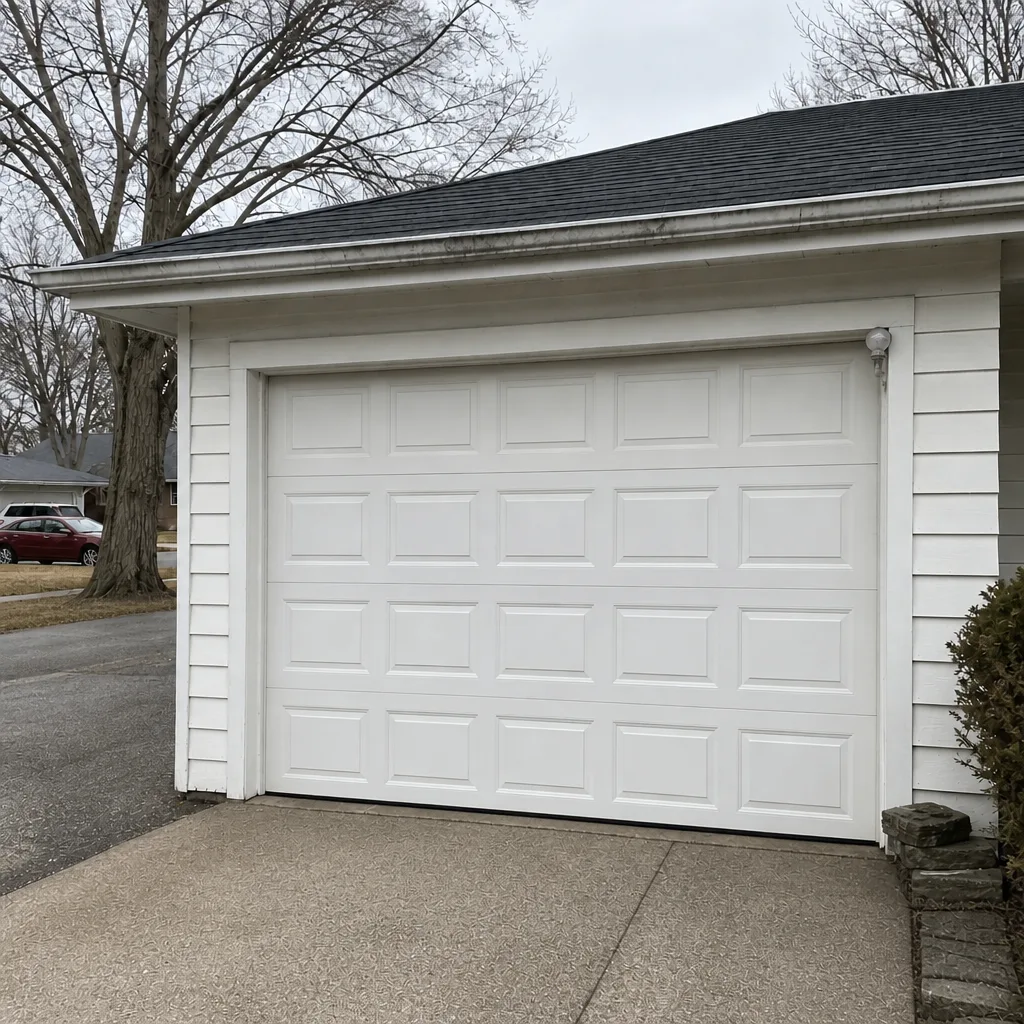
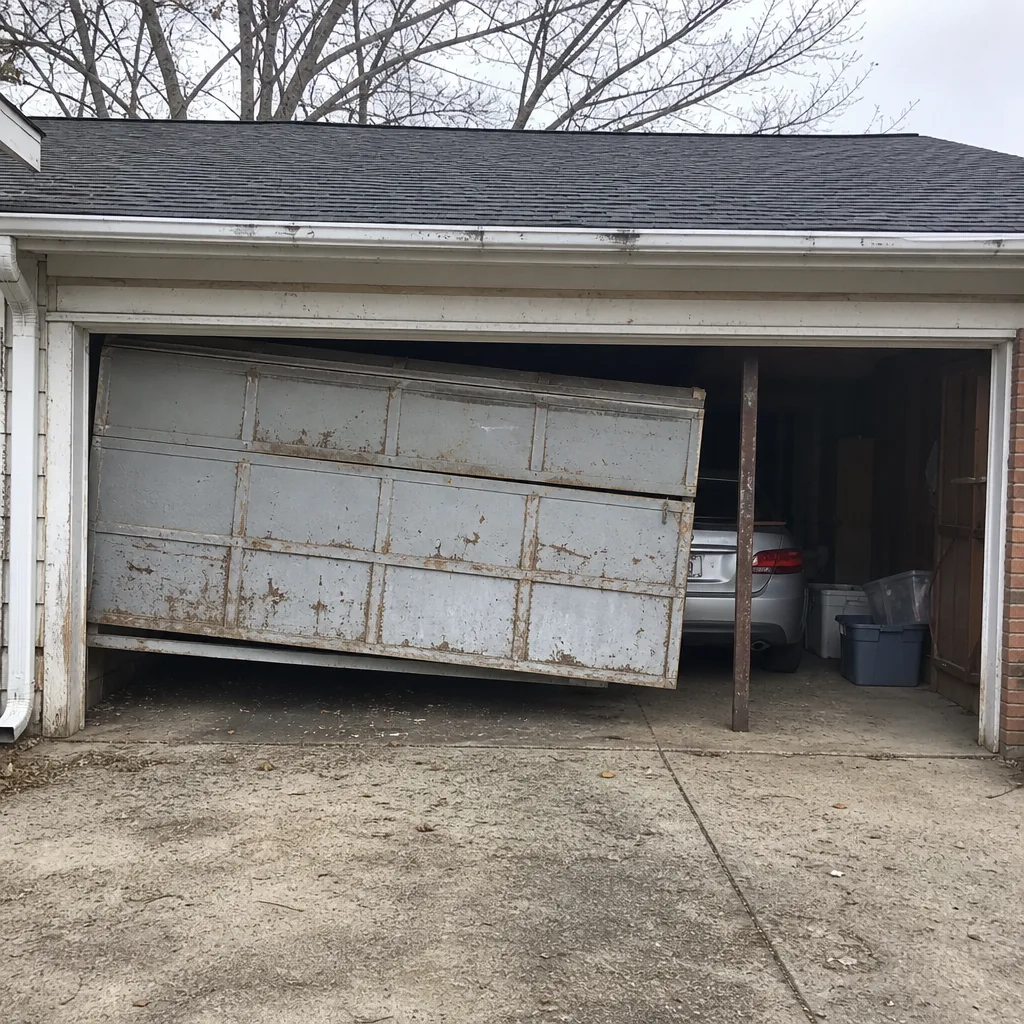
See the difference
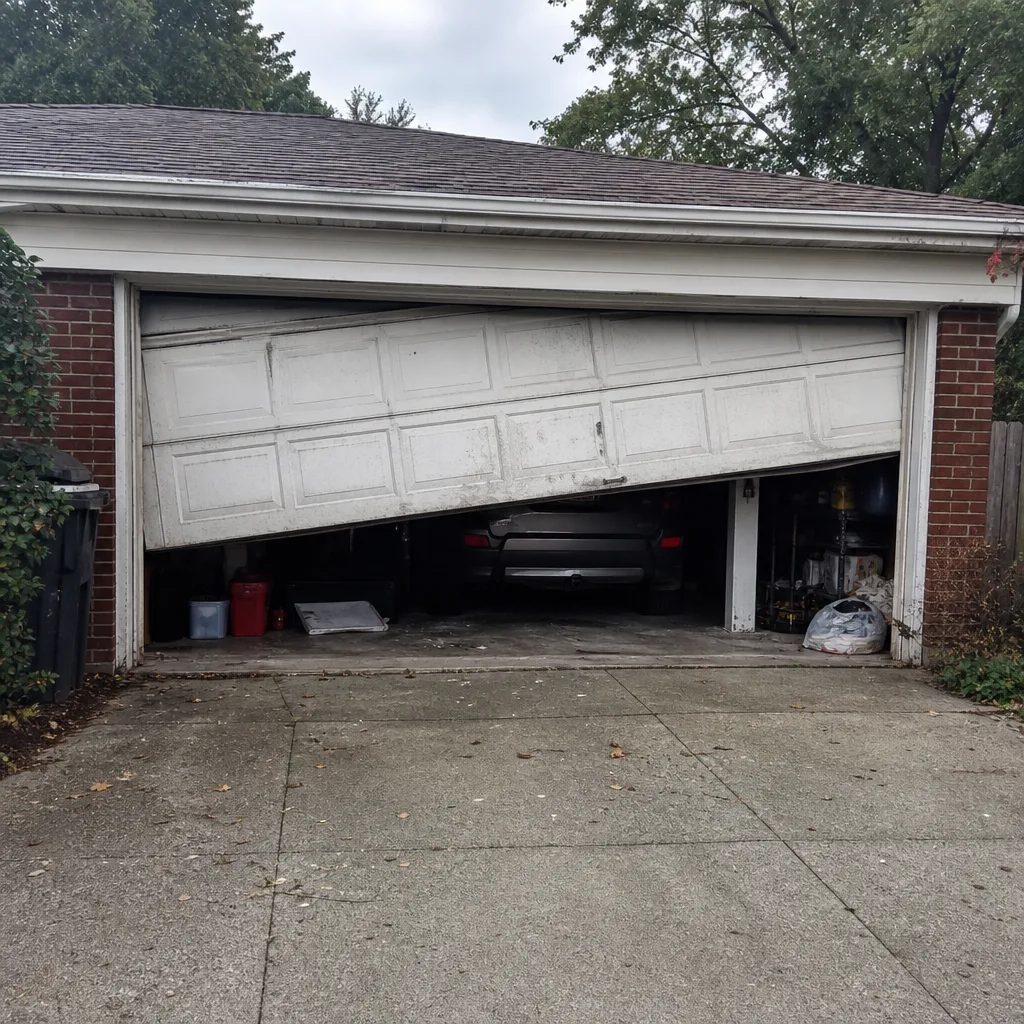 Before
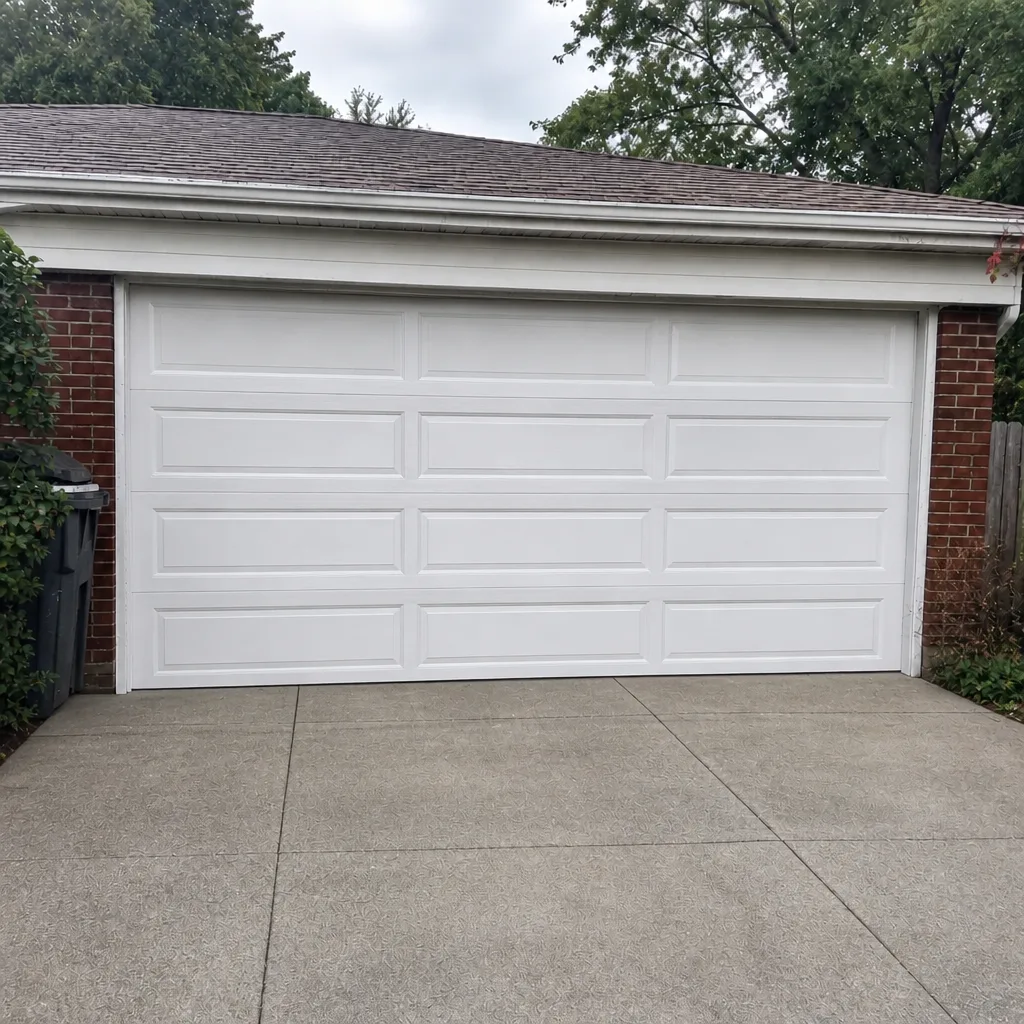 After
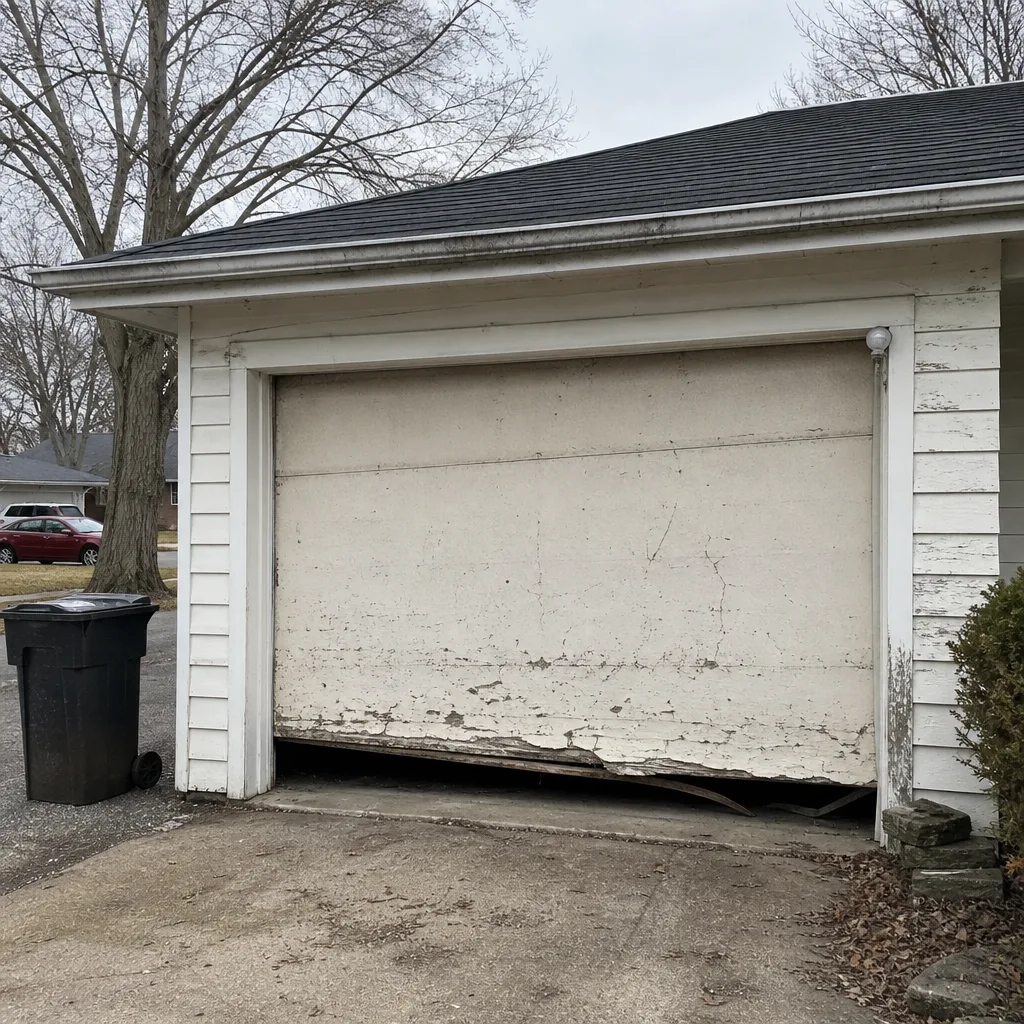 Before
 After
 Before
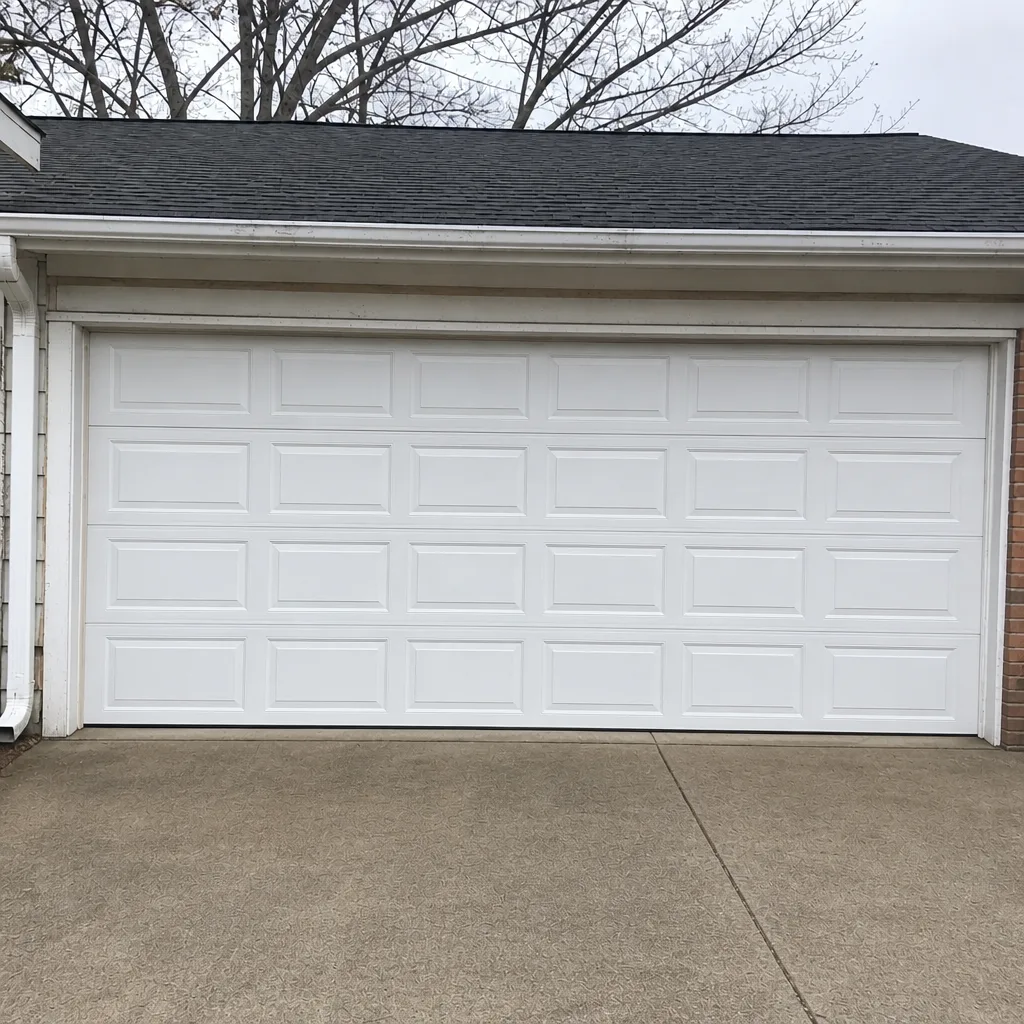 After
When to Call a Professional
Permit questions and installation questions are easier to untangle together. If you’re planning a full door replacement and want to know your jurisdiction, whether a permit applies, and what your written price will be, get a free estimate first. Oakley Garage Door Repair Pros offers free estimates in Oakley – call (877) 492-3387. We work across eight major door and opener brands, including LiftMaster, Chamberlain, Clopay, and Raynor, so we can confirm the door spec your permit and HOA approval will specify. For a broken spring, a door stuck open, or a failed opener, that’s urgent repair territory – we offer emergency garage door repair for situations that can’t wait. Call (877) 492-3387. We answer 24/7. Fast dispatch from 7am to 7pm, Sunday through Friday. If you’re not sure whether your existing work is permitted, the safest move is to confirm before you proceed.
Frequently Asked Questions
In most cases, yes – a full garage door replacement that changes the door’s size, weight, or wall framing falls under Ohio’s residential building code and requires a permit from the City of Cincinnati’s building authority. A like-for-like repair or spring replacement is usually classified as maintenance and does not. Confirm with the building authority for your specific parcel number before ordering a door. Call (877) 492-3387 for a free estimate and we’ll help you sort out the scope.
For property inside the City of Cincinnati limits, the permit authority is the City of Cincinnati’s building and inspections division. If your parcel sits in an adjacent township or village, the governing authority may instead be Hamilton County or that municipality. Pull your parcel number and call the building department with the address to confirm which office handles your property.
Fire separation between the garage and living space is the item that gets flagged most often, followed by door operation and balance, spring and cable condition, opener safety reversal, photo-eye sensors, fastener security, and labeling. The inspection is usually a short visit, and corrections are typically minor if the installation was done correctly. Call (877) 492-3387 if you want your door and opener verified before an inspection.
The usual route back to compliance is an after-the-fact permit from the same building authority that would have issued the original. Submission requires the door’s manufacturer documentation, photos, and any installation records, and some jurisdictions charge a higher administrative fee for work done without one. Plan on weeks, not days, and expect any corrections the inspector flags. Call (877) 492-3387 and we’ll help you document the existing door.
Yes. Deed restrictions and HOA design rules are independent of the city permit process, so an HOA can require design review, a specific door style, or a specific color even when no permit is required. Check your recorded covenants and contact your association before ordering a door.
It can. A title search will pull permits and recorded work, and an unpermitted garage door replacement can surface as an open item in escrow. The seller is usually the party who resolves it, either through a retrospective permit or a negotiated credit. The cheapest way to handle it is to sort it out before you list. Call (877) 492-3387 for a free estimate on any corrective work.
The Bottom Line
The permit question on a garage door in Oakley comes down to a single dividing line: repair and maintenance generally don’t need a permit, while a full replacement that changes the size, weight, or framing of the opening usually does. For Oakley properties inside the City of Cincinnati, the City’s building and inspections division is the governing authority – but the fastest confirmation is a call to the building department with your parcel number in hand. Don’t forget the HOA overlay, which applies regardless of the city permit, and don’t let the fire separation between garage and living space go unchecked. If you’re planning a replacement, get the measure and the written price first. Call (877) 492-3387. We answer 24/7. Fast dispatch from 7am to 7pm, Sunday through Friday.
Written by the team at Oakley Garage Door Repair Pros.