
Last updated November 20, 2026
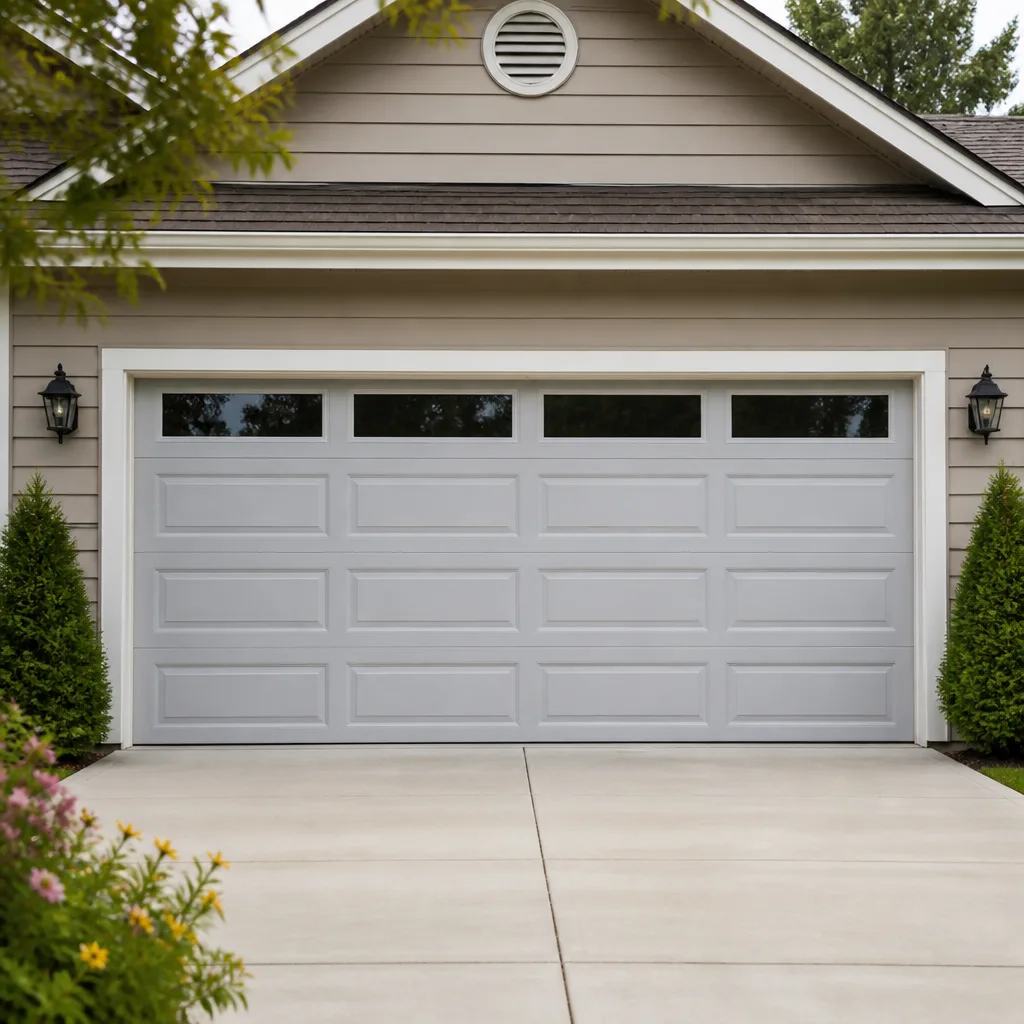 Raised-panel steel
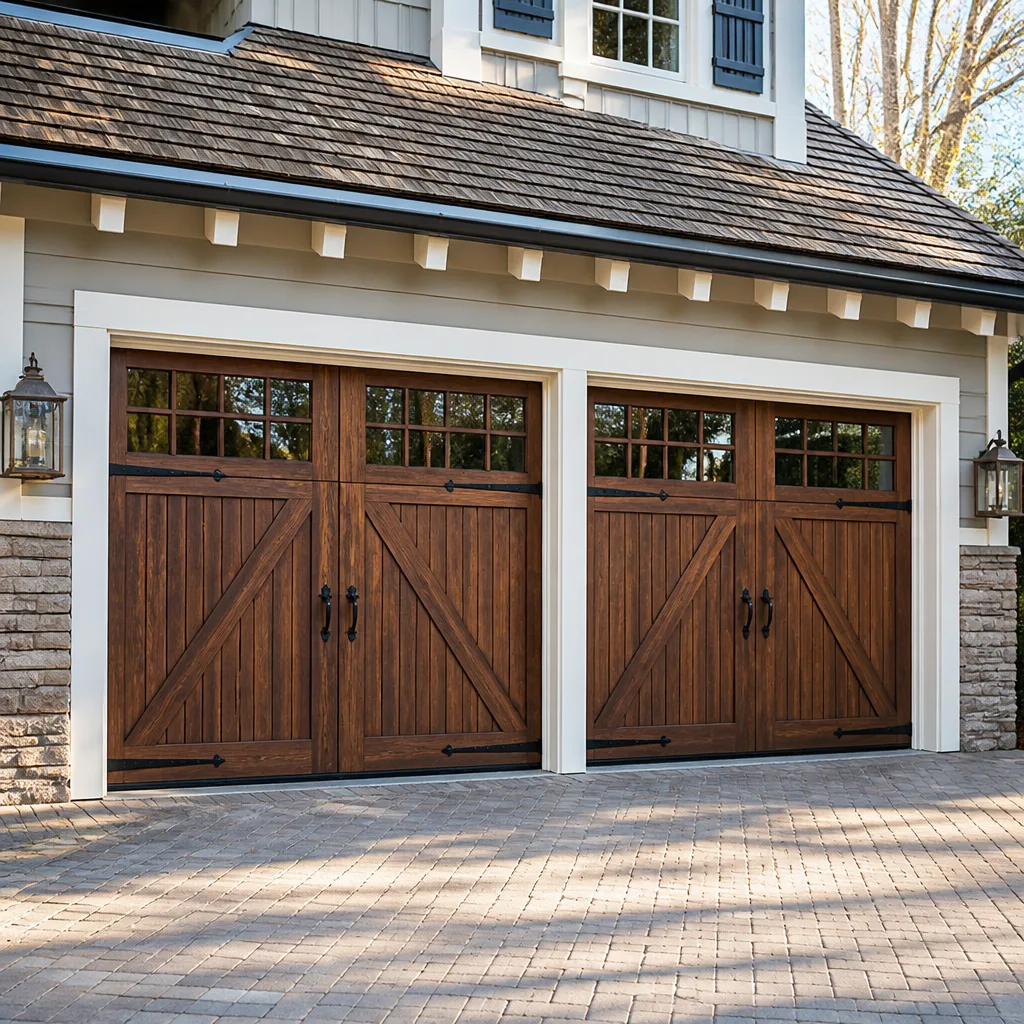 Carriage house
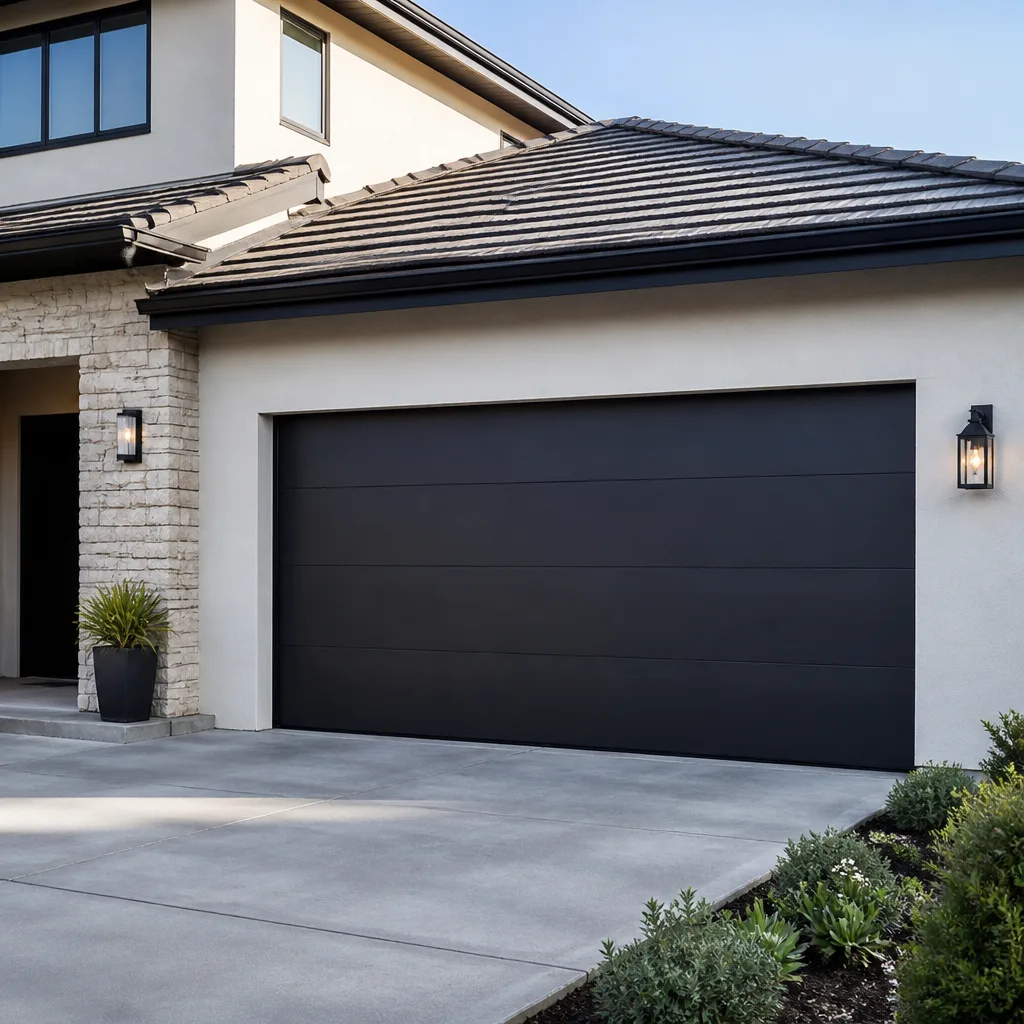 Modern flush
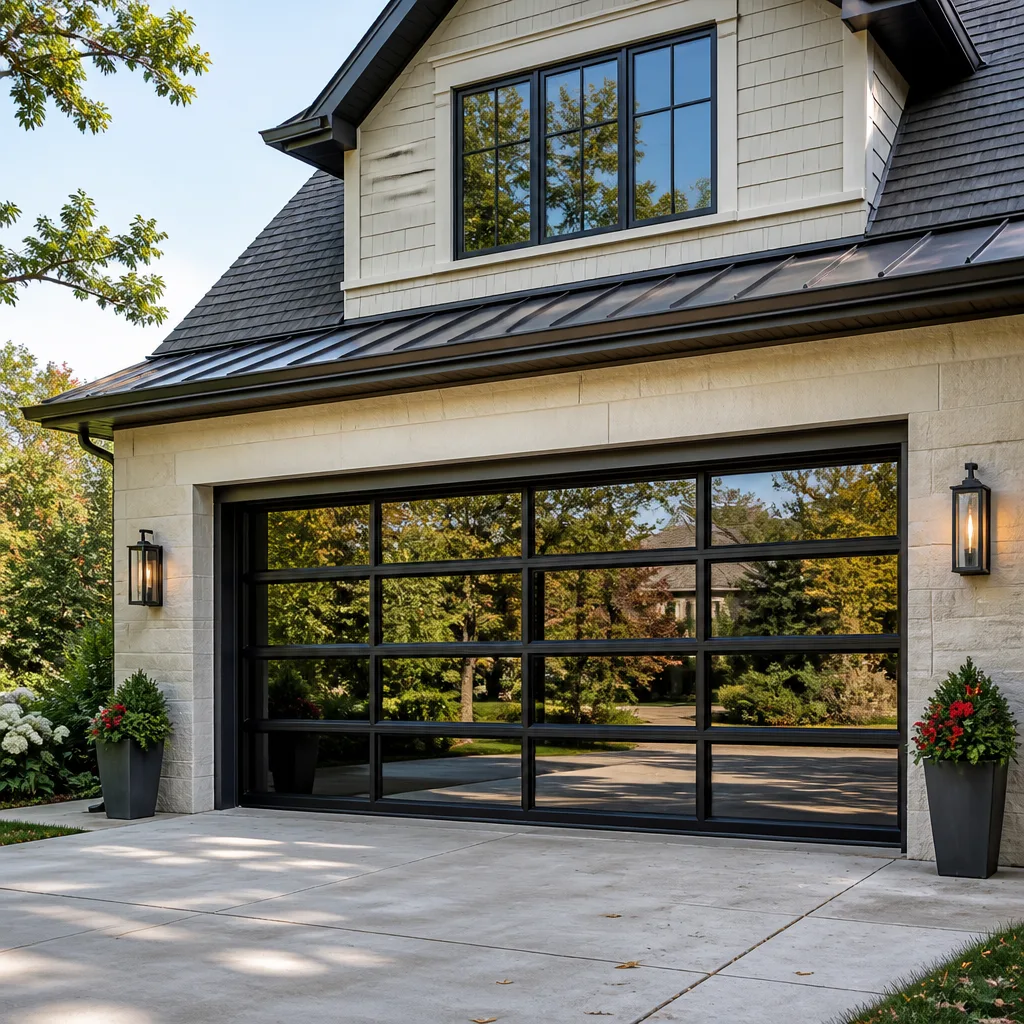 Full-view glass
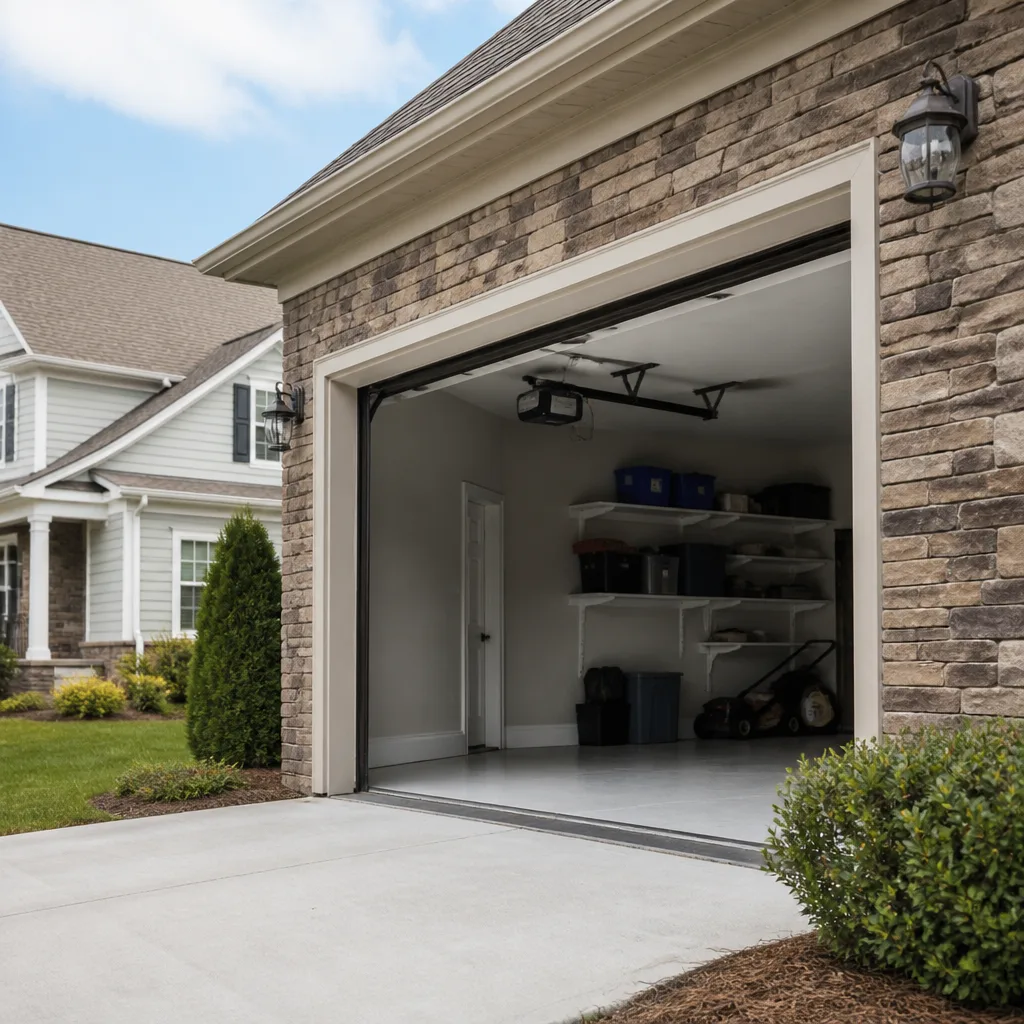 LiftMaster openers
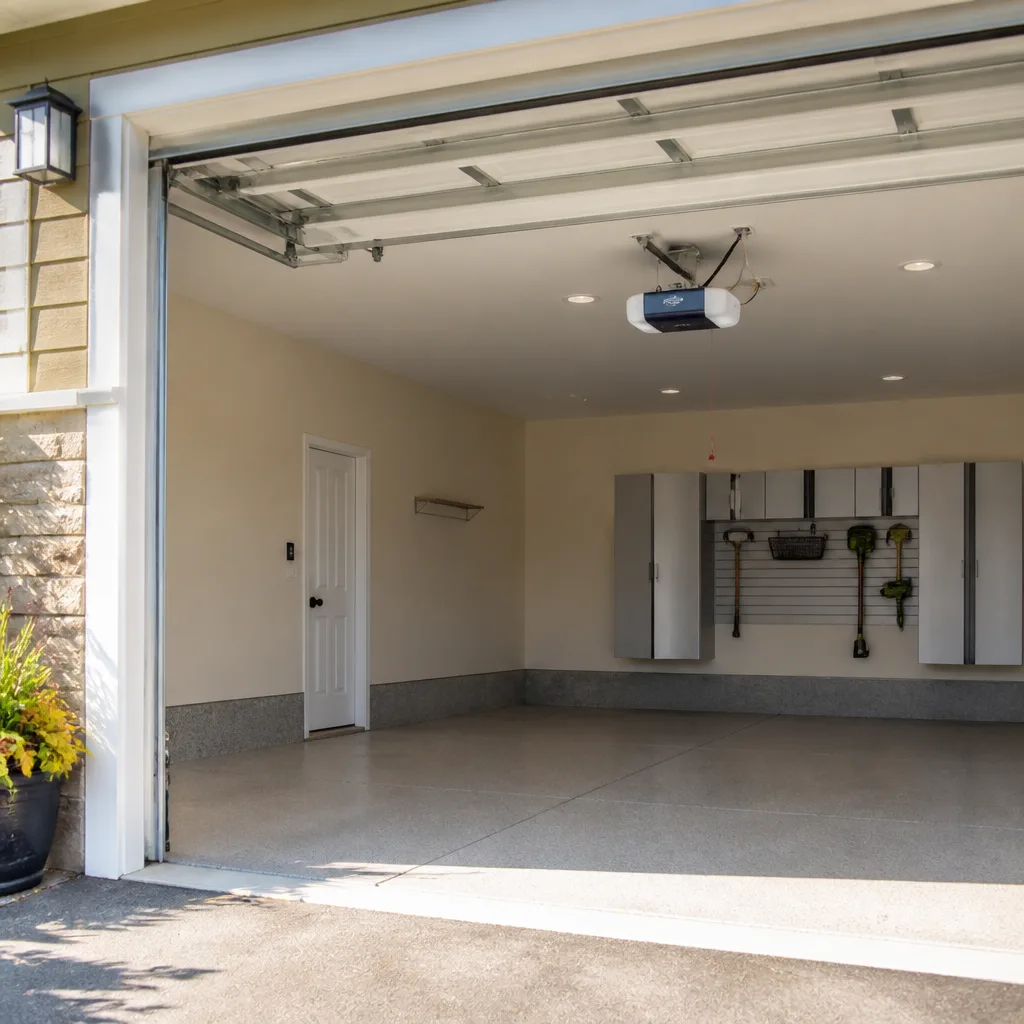 Chamberlain openers
Full 25-point door and opener safety check with every visit - springs, cables, rollers, tracks, and your LiftMaster or Chamberlain opener included
You get a price before we start. It does not change when the pro arrives.
Get your free estimateSeasonal Garage Door Care for Oakley: Year-Round Homeowner’s Guide
The first garage door call we take each January in Oakley usually traces back to something that happened in October. The rubber bottom seal hardened when the first cold snap hit, the door kept closing over frozen ground anyway, and by the time the opener started groaning nobody connected the two. Seasonal care isn’t a checklist you run once in spring. In a place with four real seasons, your door has four distinct sets of stresses, and each one needs its own preparation window. This guide is organized by season, not by component, so you know what to do and when. You’ll learn which weatherstripping actually works below freezing, why openers strain in winter, what freeze-thaw cycles do to your threshold, how western sun warps steel over years, and a month-by-month calendar built around Oakley’s real temperature windows. Oakley Drive-In, for anyone new to the neighborhood across from the old historic district, is a good example of how much variation exists block to block in local exposure.
Quick Answer
Oakley’s garage doors fail in four seasonal patterns: fall hardening of seals and lubrication loss, winter opener strain and frozen thresholds, spring misalignment from frost heaving, and summer heat warping and finish degradation. The single most useful habit is to service the bottom seal and lubricate moving parts in early fall, before the first hard freeze, and to check alignment every spring after the ground thaws. Everything else is secondary to those two windows. Oakley Garage Door Repair Pros works on LiftMaster, Chamberlain, Genie, Clopay, Amarr, Wayne Dalton, Craftsman, and Raynor equipment, so when a seasonal issue turns into a repair, we’re already familiar with your system.
Styles & brands we work with
- Raised-panel steel
- Carriage house
- Modern flush
- Full-view glass
- LiftMaster openers
- Chamberlain openers
Table of Contents
- Why Seasonal Care Matters More in Oakley Than in Milder Climates
- Fall Prep: Weatherstripping That Survives Below 20°F
- Winter: When It’s the Opener and When It’s the Door
- Spring: Freeze-Thaw Cycles, Heaving Concrete, and Alignment
- Summer: Western Sun, Steel Doors, and Paint Finishes
- The Oakley Month-by-Month Task Calendar
- Common Mistakes to Avoid
- When to Call a Professional
Why Seasonal Care Matters More in Oakley Than in Milder Climates
A garage door is a collection of materials that expand, contract, and change stiffness at different rates. Rubber seals, steel panels, torsion springs, and lubricants all respond to temperature, and they respond differently. In a climate that swings from summer heat to hard winter cold and back again every year, those materials move back and forth repeatedly. That cycle is what wears a door out. Not age alone, and not use alone, but the annual loading and unloading that comes with a genuine four-season climate like Oakley’s.
Three things happen to a door through this annual cycle:
- Seals lose flexibility. A rubber bottom seal that stays supple in mild weather can harden into a rigid strip once temperatures drop below freezing. It stops compressing against the floor and starts resisting the closed position instead.
- Lubricants thin and stiffen. Grease and oil behave differently at 85°F than at 15°F. Components that move freely in July can drag in January if they weren’t properly treated in fall.
- Metal and concrete move. Steel panels expand in heat and contract in cold. Concrete thresholds heave and settle with freeze-thaw. Both changes push a door that was perfectly adjusted in one season out of alignment in another.
What makes Oakley a little different from flat, uniform suburban terrain is the mix of housing stock and drainage patterns neighborhood to neighborhood. Areas near Oakley Station and along the older established streets have varied grading and older slabs, while the newer residential pockets have more consistent drainage. That variation means the same seasonal care works for everyone, but the timing and the sensitivity of your spring alignment check can differ depending on where in Oakley you live.
Treat seasonal care as four separate maintenance windows, and each one stays manageable. Skip a window, and the next season inherits a problem that started earlier. That’s the whole thesis of this guide.
Fall Prep: Weatherstripping That Survives Below 20°F
Fall is the most important maintenance window on a garage door in Oakley, and it’s the one homeowners skip most often. The reason is simple: the failures that begin in October don’t show up until January. By then you’ve forgotten the warning signs, and the fix is larger.
Why grade matters for the bottom seal
The bottom seal is the rubber or vinyl strip along the floor edge of the door. Cheap seals are made with fillers and lower-grade compounds that stay flexible in mild weather and go brittle in the cold. A budget seal that works fine in September can crack by December and fail outright by the coldest stretch of winter. A better grade of seal, typically an EPDM rubber or a high-grade vinyl compound built for cold flexibility, stays pliable well below freezing and keeps a reliable seal against the floor.
If you can bend the bottom seal with your fingers in cold weather and it feels like a stiff plastic strip rather than rubber, that’s the sign it’s the wrong grade for Oakley. A seal that should flex feels rigid. The practical test is not how it looks in fall, but how it feels on the first genuinely cold morning.
What else to do before the first freeze
- Lubricate hinges, rollers, and the torsion spring. A proper garage door lubricant, not general-purpose oil, stays effective across Oakley’s full temperature range.
- Inspect the perimeter seal. The side and top weatherstripping should sit flat against the door with no gaps or sagging.
- Check the auto-reverse safety feature. Place a small block under the door and confirm it reverses. If the seal has hardened, the door may not close far enough to trigger a correct reversal test, and this is how small seal issues become safety issues.
- Check opener force settings in the cool weather. If your Genie or LiftMaster opener has a force adjustment, the readings you take in fall are more useful than summer readings for the way it’ll behave in winter.
- Clean and align the tracks. A small debris buildup that doesn’t matter in summer can add drag when metal contracts in cold.
For homeowners who want an inspection and a genuine assessment of their seal grade before cold weather, our garage door repair team can take a look in Oakley during the fall window, which is the ideal time to catch these issues before they compound.
Winter: When It’s the Opener and When It’s the Door
Winter is when garage door service calls spike, and most of them are described the same way by homeowners: “The door is struggling.” The question worth answering is what is struggling. The answer separates two very different repairs, and getting it right means the correct fix is applied the first time.
Why openers strain in cold weather
A garage door opener is an electric motor driving a gear, belt, chain, or screw system. Cold affects every part of that chain. Motor oil and gear grease thicken. Belts stiffen and lose some of the elastic give they have in warm weather. Torsion springs, which balance the door, behave differently at low temperatures. The cumulative effect is that a door that moves smoothly in summer feels noticeably heavier to the opener in winter. A well-adjusted system has margin for that. A system with a marginal spring, a worn roller, or a marginal force setting does not, and it starts to slip or reverse.
What an RPM-drop sounds like
An opener under strain doesn’t usually fail with a bang first. It fails with a sound change. Listen for a motor that starts at its normal pitch and then drops slightly, as if the door is fighting it more than it used to. You might hear a rhythmic hesitation, a grinding at the start of travel, or a stop-and-restart sound just after the door leaves the closed position. Those are the early signs, and they’re signs the opener is running up against resistance.
Opener versus door
Here’s the diagnostic that separates the two:
- If the opener sounds normal but the door binds: the problem is in the door – tracks, rollers, hinges, spring balance, or seal drag. The opener is fine.
- If the opener sounds labored while the door moves freely: the problem is in the opener – motor, gear, belt, or force setting. The door is fine.
- If both sound strained: you likely have marginal spring balance plus a marginal opener. Both may need attention.
Winter is also when we see the most failed springs in Oakley, and that’s not a coincidence. Cold-stiffened steel plus a heavy cycle load speeds up the point where an aging spring breaks. Spring repair done right means brand-matched parts and precise tensioning, and it’s not a job for a general handyman. If you suspect your opener is the issue, our garage door opener repair covers the full range of LiftMaster, Chamberlain, Genie, and Craftsman units. For a real failure that can’t wait, we offer emergency garage door service for stuck doors, broken springs, and failed openers. Call (877) 492-3387. We answer 24/7. Fast dispatch from 7am to 7pm, Sunday through Friday.
Spring: Freeze-Thaw Cycles, Heaving Concrete, and Alignment
Once the ground thaws, most homeowners assume the hard part is over. It’s the opposite. Spring is when the damage that was done over winter becomes visible, and it’s the season when a garage door that seemed fine in February reveals that something moved while the ground was frozen.
What freeze-thaw does to a threshold
Concrete is porous. Water soaks into it during a thaw, freezes overnight when the temperature drops, and expands as ice. That expansion pushes concrete upward slightly. When it thaws again, the concrete settles, but not always back to where it started. Repeat that cycle dozens of times through an Ohio winter, and the slab under your garage door can lift and settle unevenly. This is frost heaving, and it’s why thresholds that were flat in the fall can be noticeably uneven by March.
How to identify heaving:
- Gaps at the bottom corners. The door closes, but you can see daylight under one corner and not the other.
- A sudden draft along the bottom edge. Cold air or visible light where the seal used to sit tight means the threshold or the seal has shifted.
- The door contacts the floor unevenly on close. It might hit on one side and stop before reaching the seal on the other, or the opener reverses early because it’s hitting resistance.
- Visible cracking or lifting in the apron. The concrete directly under the door shows cracks, edge chipping, or a visible slope where there wasn’t one.
How heaving throws alignment off
When the threshold heaves unevenly, the door doesn’t fail to close because the door is out of alignment with the tracks. It fails because the floor moved. This matters for diagnosis, because it means the fix isn’t always a track adjustment. Sometimes it’s a threshold correction, seal replacement with a taller or thicker profile, or an opener travel adjustment to compensate. Sometimes it’s a combination. Spring is the right season to make that call because the ground has settled and won’t move again until next winter. For an inspection after the thaw, our Oakley Garage Door Repair Pros team can assess whether it’s the door, the tracks, or the concrete.
Summer: Western Sun, Steel Doors, and Paint Finishes
Summer is the quiet season for garage door failures in Oakley, but it’s the season that dictates what fails in year five, year ten, and year fifteen. Heat exposure is cumulative, and a steel door facing west takes a different kind of punishment than a door facing north.
How western sun warps steel
Steel panels expand in heat. A door facing due west in Ohio receives intense direct afternoon sun in June and July, often for hours a day. The sun heats the outer skin of the door more than the interior surface, and the resulting temperature difference creates stress across the panel. Over many seasons, that stress shows up as oil-canning, where the panel surface develops a slightly buckled feel, or as more visible panel warping at the edges where the door isn’t constrained. The tracks and rollers don’t warp from sun, but the panel-to-panel fit degrades, and a door that was airtight in year one starts to show gaps and drafts.
The practical implication is that doors on west-facing walls in Oakley need more attention to finish and alignment than doors on shaded or north-facing walls. That’s not a universal rule, it’s a specific one for your door’s orientation.
Which finishes slow the process
Paint quality determines how much UV load and heat stress the steel underneath takes directly. The manufacturers with the better reputations on this are worth knowing:
- Clopay uses a factory-baked finish system on many of its steel models, and the multi-layer paint process holds up better than field-applied paint over time.
- Amarr has steel door finishes built around durable polyurethane or polyester systems, designed for sun and temperature extremes.
- Wayne Dalton steel doors include finish options designed for long exposure, and the panels are engineered with thermal movement in mind.
If your door’s paint is chalking, cracking, or peeling by early summer, that’s a signal to repaint or re-evaluate the door. A door past its finish life will continue to absorb heat without protection, and the underlying steel starts to show through. Summer is when to address finish issues, because it’s the window when repainting can properly cure before cold weather.
The Oakley Month-by-Month Task Calendar
Oakley’s temperature windows are real and predictable. The following calendar is built around when each task matters locally, not around a generic national average. Adjust only if you’re in an unusually exposed spot in Oakley with more western solar gain or more wind-driven rain.
- September: Inspect the bottom seal. Confirm it’s flexible in cooler temps. Order a higher-grade EPDM or vinyl seal if it shows early hardening. This is the earliest and most useful fall task.
- October: Lubricate hinges, rollers, and springs with garage-door-grade lubricant. Test the auto-reverse. Clean and align tracks. This is the last month to correct a marginal seal before cold reliably sets in.
- November: Adjust opener force settings to cool-weather levels. Listen for the RPM-drop strain pattern. Replace any seal that didn’t make it through the first cold snaps. If a spring sounds or looks off, this is the window for pre-winter spring service.
- December through February: Watch, listen, and test. Run the auto-reverse test monthly. Check for drafts along the seal. If you hear the opener strain, call now rather than later – waiting for warm weather only lets a marginal part get closer to failure.
- March: Inspect the threshold for heaving. Look for gaps at the door corners, uneven bottom contact, and cracking in the apron. Note any shift so it can be addressed once spring settles.
- April: Realignment check. Evaluate door alignment against the tracks after the ground has settled. Adjust rollers, hinges, and opener travel if needed. Replace the seal if it’s been damaged by threshold shifts over the winter.
- May: Roof-to-door inspection. Look for paint or finish issues before summer heat load. Check hinges and rollers after the season change. Confirm the opener is functioning normally before AC season stress begins.
- June through August: Watch the western-facing door for oil-canning and panel surface changes. Repaint if the topcoat is failing – summer is when paint cures properly. Monitor the perimeter seal against thermal expansion. Confirm the door still seals fully against the frame.
That’s the whole year. The work is real but manageable, and most of it is inspection with a short list of fixes. The months that matter most are October and April, and they’re the ones most homeowners miss.
Common Mistakes to Avoid
- Treating the bottom seal as a cosmetic part. It’s a functional seal that keeps weather out, protects the threshold from moisture, and provides part of the closing tension. A hardened seal in Oakley turns into a January stuck-door call that could have been avoided in October.
- Using general-purpose oil instead of garage-door lubricant. General oil disappears by the first cold snap, and the lubricant that’s left behind thickens so much it actually adds drag. Use a product built for the full temperature range.
- Blaming the opener for every stroke of resistance. Half the opener calls we run in Oakley turn out to be an issue with the door or the tracks. Resist the reflex to replace the opener until the door is verified as the source.
- Skipping the April alignment check. Spring is the only window where heaving from the previous winter is visible and the ground has settled enough to correct it. Skip it and you carry the misalignment into summer, where the door fights the tracks differently.
- Ignoring a western-facing door’s finish. Paint failures on west-facing doors in Oakley don’t manifest as sudden damage. They show up as small cracks that get progressively larger over two or three summers. Catch them early.
- Tightening things without a torque reference. Hinges, rollers, and track bolts have intended settings. The instinct to “make it tight” with a socket wrench can leave a track distorted enough to fail to guide the door. If you don’t know the spec, check or call.
- Testing auto-reverse with your hand. The margin between a proper auto-reverse response and a serious injury is very small. Test with a firm object on the floor, not your hands or body.
When to Call a Professional
Some seasonal care is homeowner work: inspection, lubrication, and knowing when something sounds wrong. Other situations call for a professional without hesitation. Any visible spring damage, a door that won’t stay closed, an opener that’s audibly straining after you’ve lubricated and aligned the door, a door that reverses immediately after closing, or visible track distortion all need a trained technician. High-tension springs and torsion assemblies are genuinely dangerous – they’re wound under extreme tension and can cause serious injury if handled incorrectly. Never adjust, wind, or replace them yourself, and never attempt DIY fixes on the spring system even if it looks straightforward.
Seasonal maintenance inspections, spring assessments before cold weather, and spring alignment checks are all work we can do with a clear scope. Oakley Garage Door Repair Pros offers free estimates in Oakley – call (877) 492-3387. We answer 24/7, with fast dispatch from 7am to 7pm, Sunday through Friday.
See the difference
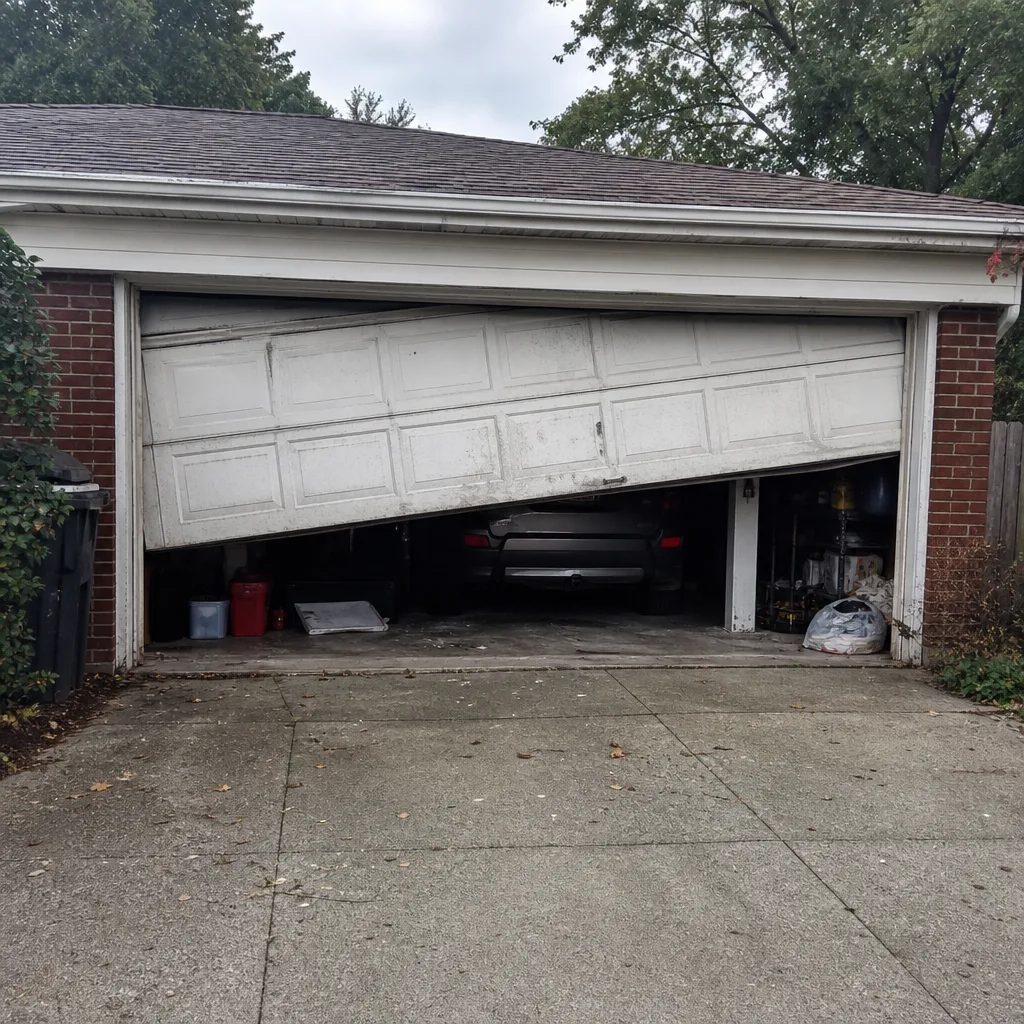 Before
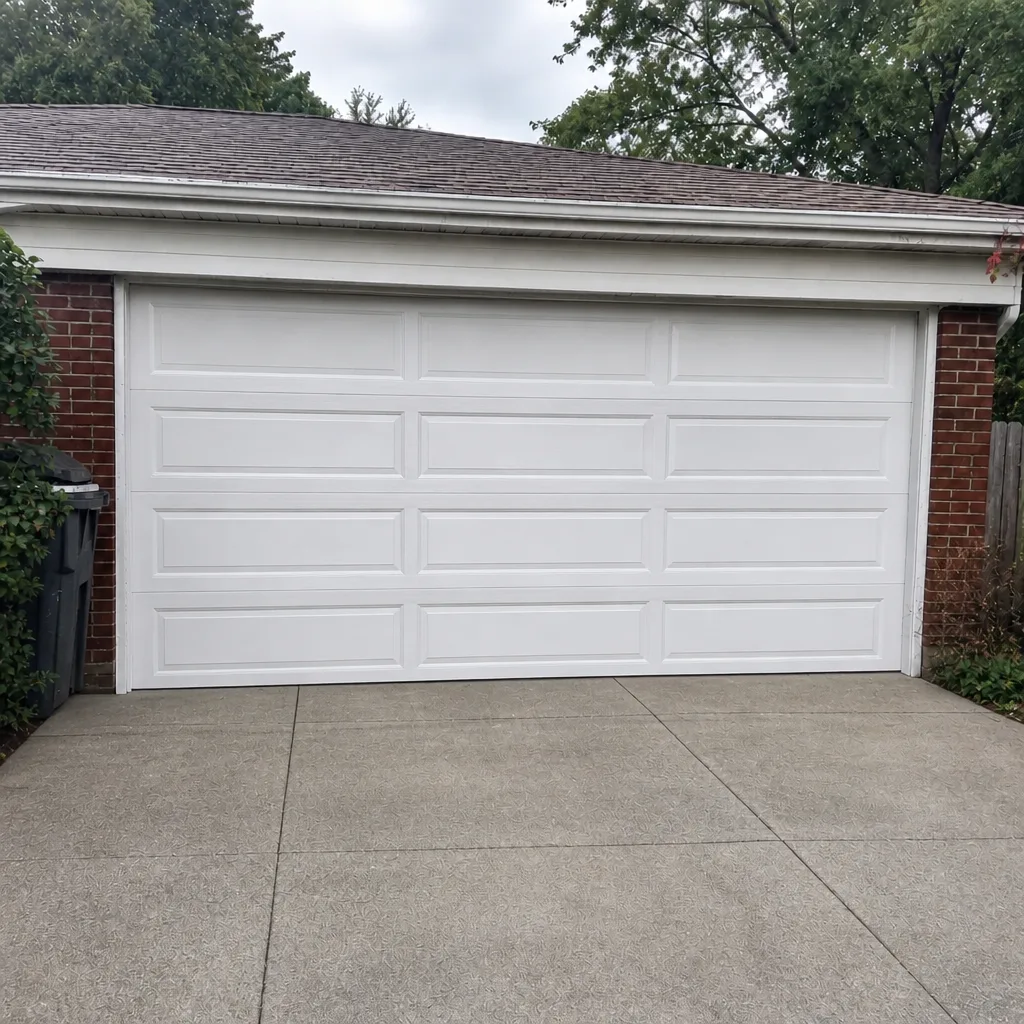 After
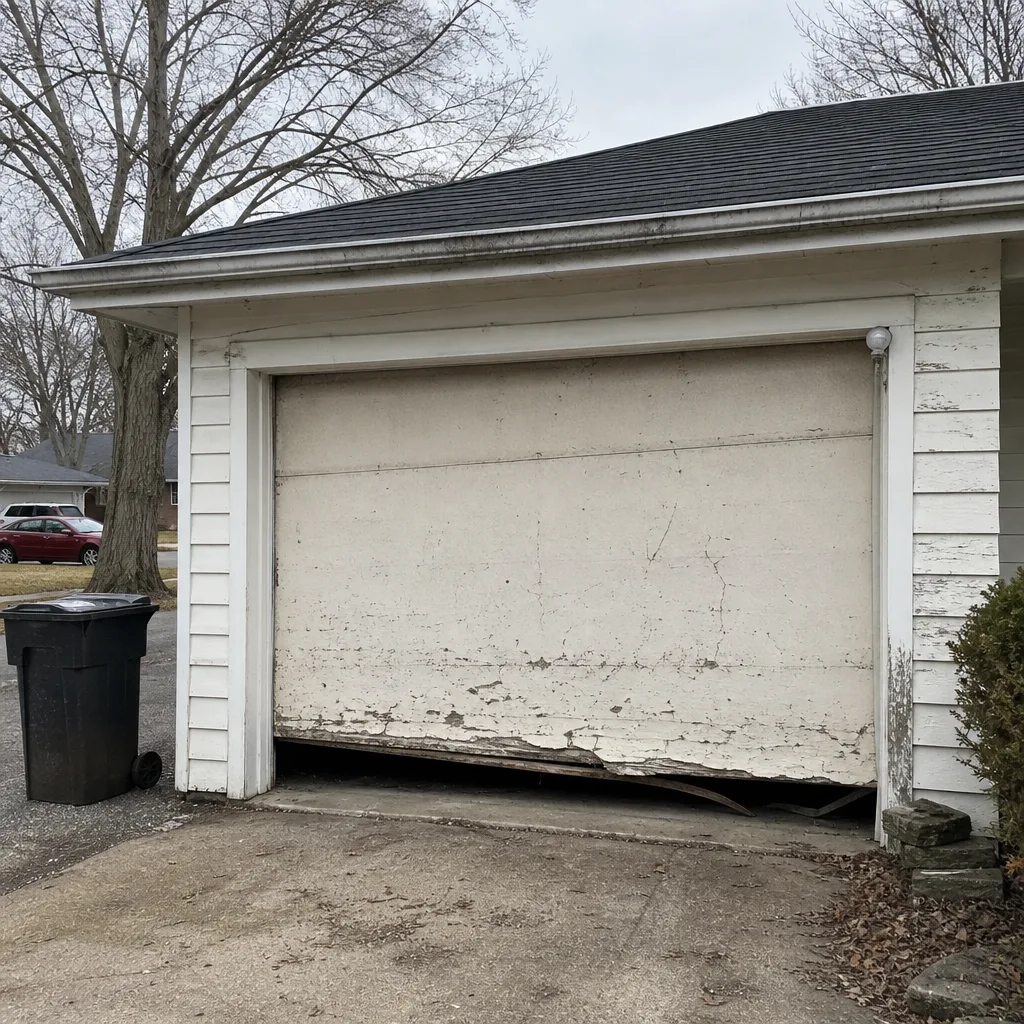 Before
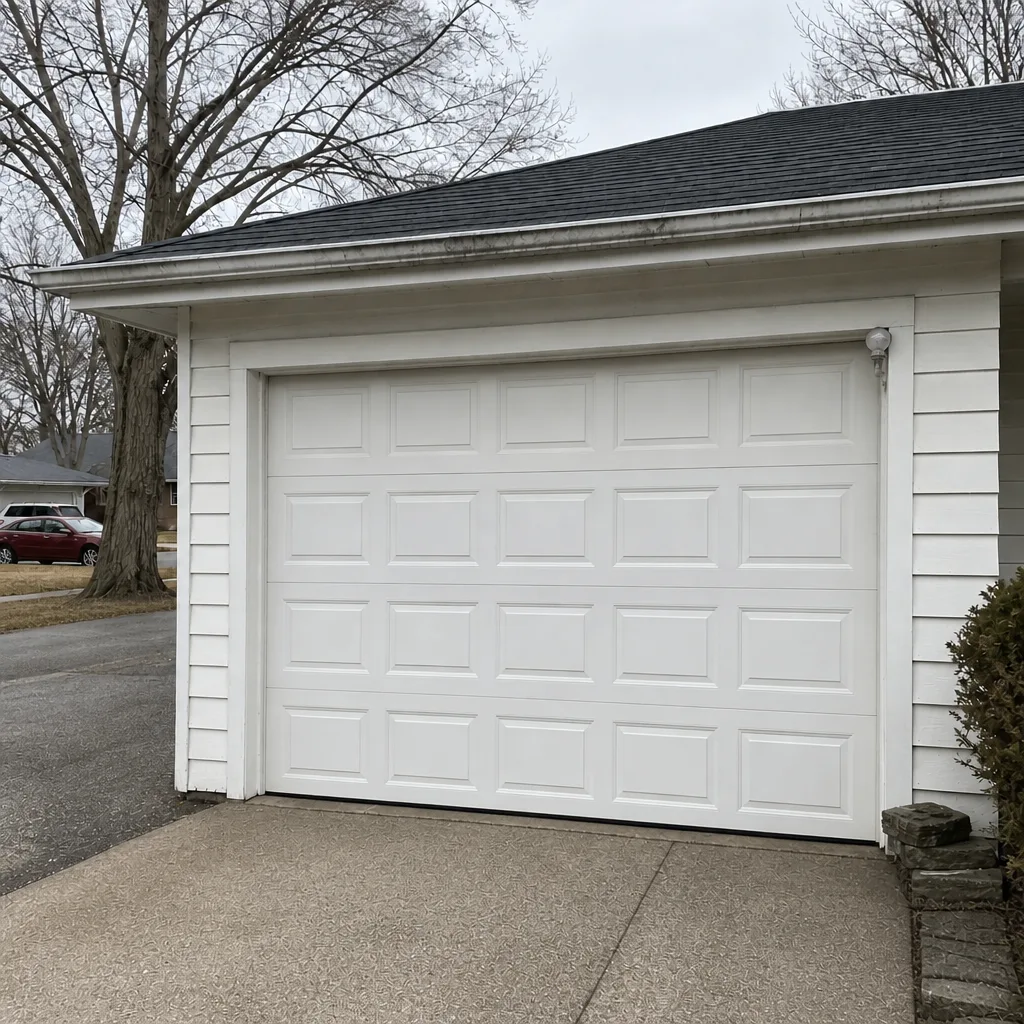 After
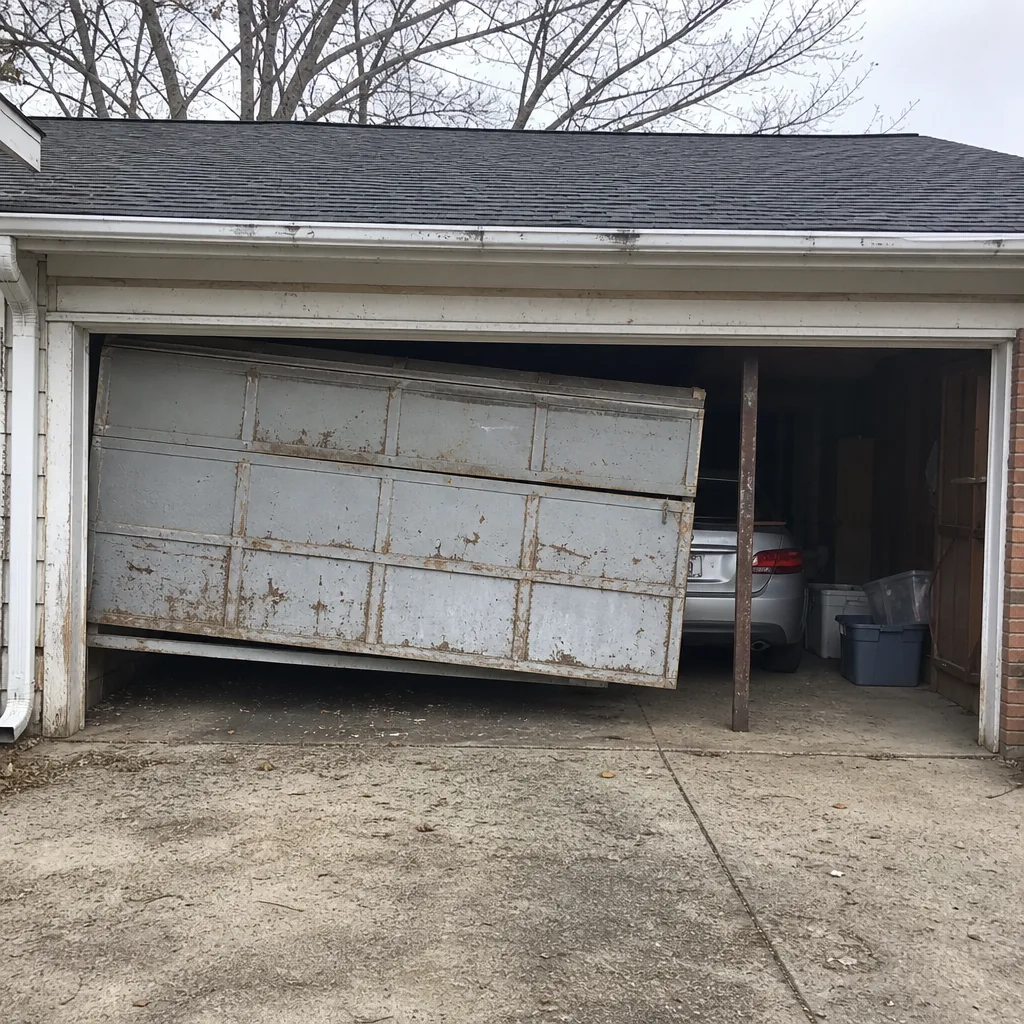 Before
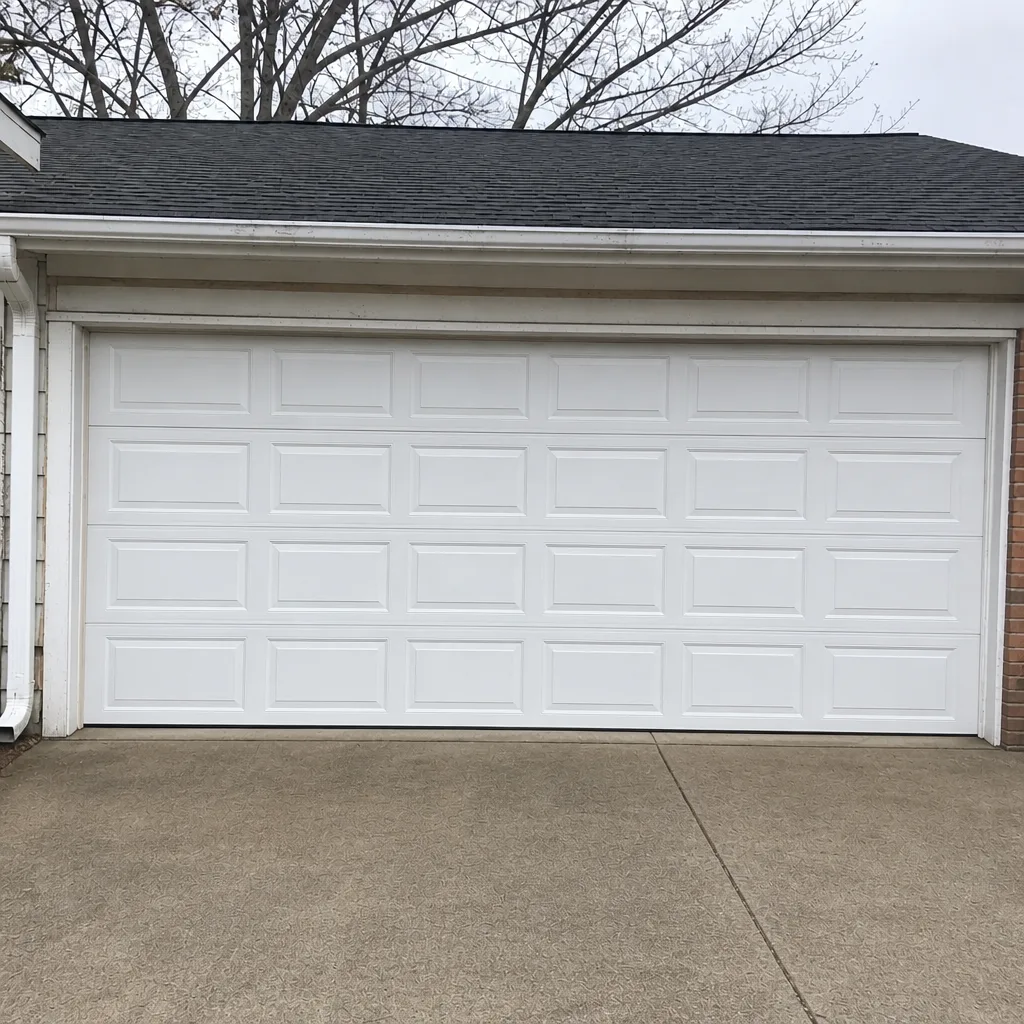 After
Frequently Asked Questions
Twice a year, with the two service windows set at fall and spring. Fall service prepares the door for cold load: seal condition, lubrication, auto-reverse test, and opener force. Spring service assesses winter damage: threshold heaving, alignment, and seal wear from the frozen months. Any additional visits are based on what each inspection finds. Call (877) 492-3387 for an exact quote – estimates are free.
Hardened bottom seals that no longer compress against the floor, followed by opener strain from cold-stiffened components and marginal spring balance. Both are fall-prevention issues that show up in January. Fixing the seal grade in October and lubricating properly before cold weather prevents most of them. Call (877) 492-3387 for an exact quote – estimates are free.
Yes, in principle, and it’s a genuinely homeowner-friendly job on many doors. But if the threshold has heaved unevenly, the seal alone won’t fix the gap, and you’ll spend twice on the wrong solution. Have the threshold assessed first if you’re seeing uneven closing. garage door installation isn’t usually involved for a seal, but replacement of the full door or panel system is. Call (877) 492-3387 for an exact quote – estimates are free.
Because the grease, belts, and springs thicken at colder temperatures, and the opener has to overcome more resistance for the same door movement. A small change is normal. A noticeable pitch drop, rhythmic hesitation, or grinding at the start of travel is a sign the system is straining and needs inspection. Call (877) 492-3387 for an exact quote – estimates are free.
Yes, through cumulative heat expansion and finish degradation. West-facing doors in Oakley get intense summer afternoon sun and develop oil-canning or panel-surface warping over multiple seasons if the finish isn’t maintained. Repainting with a proper grade before the finish fails slows the process considerably. Call (877) 492-3387 for an exact quote – estimates are free.
Yes. We work on LiftMaster, Chamberlain, Genie, Clopay, Amarr, Wayne Dalton, Craftsman, and Raynor equipment, and we work on any door we’re trained to service regardless of where it was originally purchased or installed. Brand familiarity matters for getting the fix right the first time. Call (877) 492-3387 for an exact quote – estimates are free.
The Bottom Line
Seasonal care in Oakley is really a four-season system: fall protects against winter, winter is for spotting strain early, spring is for correcting what winter moved, and summer is for protecting the door’s finish against heat and sun. Two service windows, in October and April, cover most of it. Two habits – a well-graded bottom seal and a proper lubricant – prevent the majority of winter failures. Everything else is inspection and assessment. When a seasonal issue turns into something that needs a trained hand, or when you want an inspection to confirm your door is in good shape, Oakley Garage Door Repair Pros offers free estimates in Oakley – call (877) 492-3387. We answer 24/7, with fast dispatch from 7am to 7pm, Sunday through Friday.
Written by the team at Oakley Garage Door Repair Pros.